While established OTT franchises usually see actors return to play the characters they are known for, some recent titles such as Gullak (SonyLIV) and Rangbaaz (ZEE5) have seen either new actors step in for specific parts or an entirely new cast for a fresh season, despite the existing popularity of the franchises being closely tied to the faces featured originally.
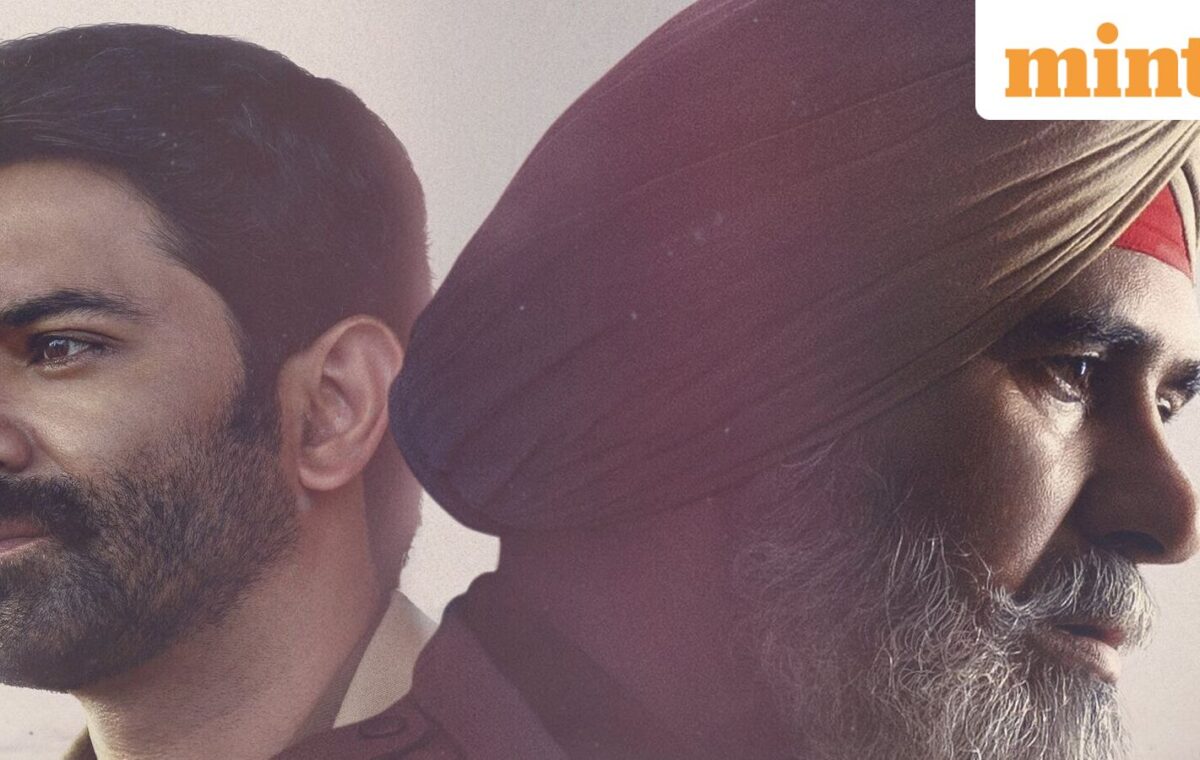
Punjabi actor Suvinder Vicky, who received much acclaim for the first season, too did not return for the second season of Netflix original Kohrra.
Industry experts say this is especially a challenge for streaming shows that return only once in two to three years, during which time people revisit scenes and performances and nostalgia starts filling the gaps. Hence, the absence of a familiar face can feel much larger when the show returns, unlike linear television, where it is more common to see different actors play the same role.
The second season of Kohrra clocked in viewership of 7 million and while comparable estimates to the first season aren’t available, the Punjabi- and Hindi-language drama had topped the Netflix India chart on release and also placed highly in the streamer’s top 10 charts across much of South Asia and West Asia.
“If a popular actor doesn't return for a new season of a series, it can significantly impact the show's popularity. Fans invested in the character and the actor's performance might feel disappointed and lose interest. Some viewers might stop watching, affecting the show's overall viewership and engagement metrics,” said Rajat Agrawal, chief operating officer, Ultra Media & Entertainment Group.
Also, fans will likely discuss and speculate about the actor's departure, generating buzz but also potentially creating negative sentiment, Agrawal added.
The most effective solution is structural—long-term contracts that lock in actors for subsequent seasons at pre-agreed terms, so the commercial conversation doesn’t derail the creative one, said Ujjwal Mahajan, co-founder, Chaupal, a platform specializing in Punjabi, Haryanvi and Bhojpuri content.
“But if a change still becomes unavoidable, how it is communicated to the audience matters enormously. Fans will always compare, and bias is natural. The smartest creative move, where the story allows, is to not recast but to branch—bring in a new character within the same universe rather than asking someone new to fill the same shoes. It gives the audience something new to invest in while preserving the franchise’s equity,” Mahajan explained.
According to industry experts, when a popular actor leaves a streaming show that returns once every couple of years, the impact differs from a traditional TV show. Since web originals often have gaps between seasons, the news might not hit as hard initially. The lull between seasons can build anticipation, and if handled well, fans might be excited for the new direction.
In contrast, traditional TV shows face more immediate backlash since episodes air frequently, and fans are more invested in the ongoing narrative. On the other hand, if web shows are revisited in the time they are off air and discussed widely on social media, the absence of a face can feel strong. As streamers cut budgets and actors branch out to cinema and other avenues, exits can be inevitable.
“In television, viewers are often spending time with characters almost every day or every week. There is a continuity to that relationship. If an actor leaves, audiences are disappointed, but the show has the advantage of immediately continuing the story and helping viewers adjust,” said writer, filmmaker and creator Priyanshu Modi.
Streaming shows operate differently. Sometimes audiences wait two or three years for a new season. During that time, characters become frozen in memory. Because of that, the absence of a familiar face can feel much larger when the show finally returns. Audiences have spent years anticipating that reunion, and if a key piece is missing, it becomes one of the first things they notice.
“Audiences can immediately sense when creators are trying to distract them from a loss instead of addressing it. If a major character or actor exits, the story has to acknowledge that absence in a meaningful way either through a plot point, or a new character. Ultimately, transitions work best when they’re treated as creative opportunities rather than production problems,” Modi explained.
To be sure, the absence of a popular face is not always a deal-breaker. Makers and platform executives believe if the story is strong, a compelling narrative can retain fans despite changes in the cast. Fresh characters or actors can bring new energy and attract different viewers.
“Makers can combat challenges like a popular actor's departure by integrating the character's exit into the narrative and making it a plot point. They can also bring in new, fresh faces to inject new energy and storylines. Furthermore, they can develop other characters' arcs to shift attention and create new fan favourites,” Agrawal said.