India Inc is increasingly looking to smaller towns to power festive-season sales, stepping up hiring of gig and blue-collar workers for its busiest shopping period. But the hands it needs there for consumer, retail, logistics, dark stores and e-commerce firms still earn way less than their metro counterparts. The gap has indeed narrowed from around four years ago, but remains significantly high, even as companies struggle to find enough workers in these markets.
“In 2022, the payment gap between metros and non-metros (during festive season) was 38-40% and now it has come down to 25-30%, but remains significant. In the retail sector the disparity is about 28% and in dark stores about 25%,” said Nitin Dave, chief executive officer (CEO), general staffing at Quess Corp, one of India's largest recruitment firms.
“The overall business is going to smaller towns, and about 31% of our share of hiring (during the festive period) is from metros and 39% from tier-3 and -4 towns. Tier-2 is about 30%," said Dave. "The cost of living does play a part, but getting workers in these cities is now becoming a challenge, and therefore, firms have to offer more.”
Migration to larger cities or even overseas markets is shrinking worker supply in smaller towns, making it harder for companies to hire ahead of the festive season. In the metros, during the festive period, they are offering around ₹35,000-40,000 a month, including allowances and bonuses, to drive footfalls and sales, as per recruiters. In comparison, the earning potential for workers in smaller cities during the festive period is around ₹25,000-30,000 a month, they said.
Online jobs marketplace Apna.Co’s data shows that even before the festive period began this year, gig job postings in tier-2 and -3 cities rose by 110% year-on-year compared with 86% in the metros.
The festive season in India typically starts from August-September and ends in December, with a slew of holidays for festivals like Raksha Bandhan, Diwali, Durga Puja, Christmas, etc., during which Indian consumers spend on high-ticket purchases, helping companies across sectors meet their targets. The competition between offline and online stores has become tighter after lifting of the pandemic-related restrictions.
This year’s season of festivals is particularly crucial as consumers have tightened their purse strings over the past few quarters on the back of the West Asia war-related uncertainties and high prices triggered by supply chain disruptions and crude oil price spikes. To top it, muted pay hikes by corporate India meant lesser spending capacity. The upcoming season of festivities is, therefore, a time when firms will go all out to woo buyers, for which they would need aggressive manpower addition in smaller towns, which has shown growth potential.
Balasubramanian A, senior vice-president for TeamLease, another large hiring company, said the pay disparity between metros and smaller towns cities is “broadly persistent, rather than closing materially”.
“For the festive season, our assessment is that metro gig workers are currently earning roughly 15-25% more than their counterparts in tier-2, -3 cities. The gap has narrowed somewhat from the immediate post-pandemic period, as the smaller markets have matured, but it has not disappeared,” he said. The gig workers' earning includes joining/attendance bonuses, higher per-order incentives during peak periods, weekly and festive-season performance bonuses, and referral payouts to bring more workers onto platforms.
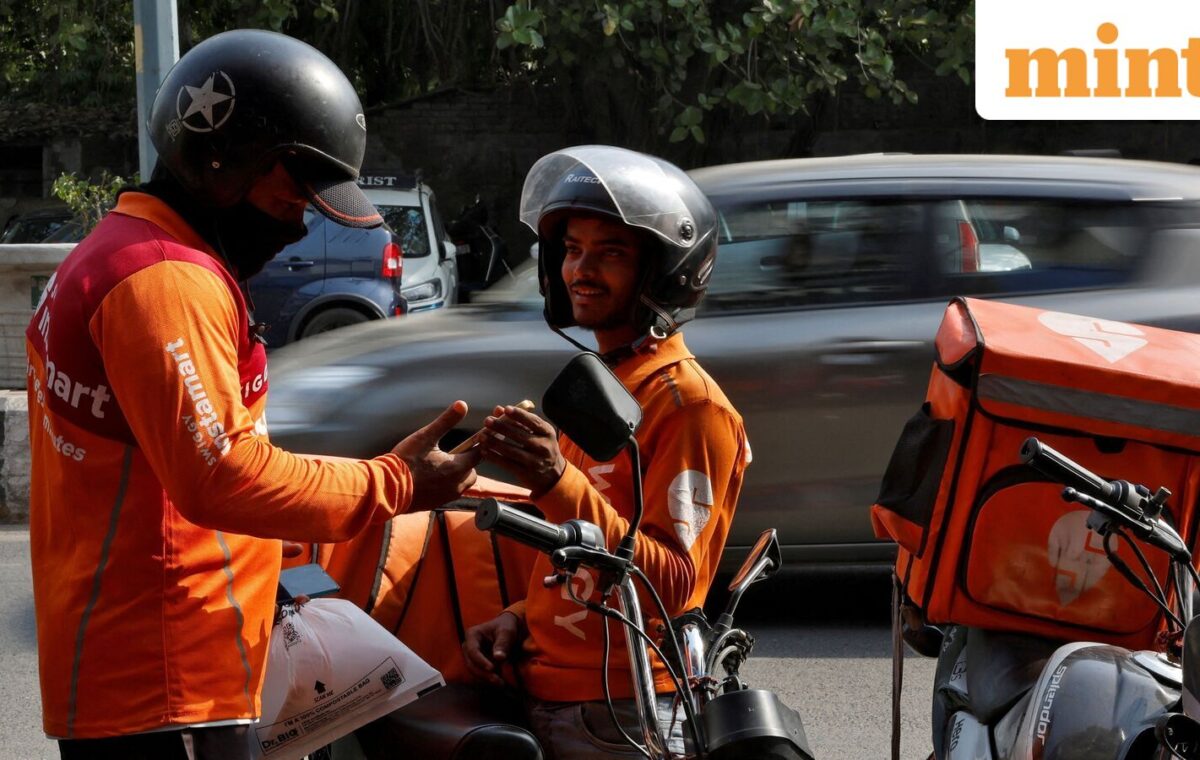
As per industry experts, the delivery executive in a smaller town often gets a raw deal because of the way the bonus structure is made—due to thinner consumer density, the delivery radius is much larger compared with the metros. As a result, the delivery workers, who form a chunk of the season's hiring, need to travel longer distances, but the number of orders they get is lower.
“This directly affects their earnings because they are completing fewer rides in a day,” said Shaik Salauddin, co-founder and national general secretary of the Indian Federation of App-based Transport Workers.
For instance, quick-commerce and e-commerce roles that offer a higher earning potential due to more work opportunity amid the worker crunch beyond the metros, but even then, those in smaller cities lose out. While delivery partners in the metros can complete up to 30 deliveries in a 12-hour shift, their smaller city peers can make just 15-20 deliveries, as higher idle time between orders reduces the number of trips completed.
Some hiring experts said it's not so much about a pay gap in a given role per se, but the specific workloads that create a variance in earnings.
Kartik Narayan, chief executive officer of Apna.Co, said that “many of the large national employers are effectively running common rate cards across markets”.
In other words, workers doing the same job for the same employer can earn a broadly a similar pay across metros and smaller cities. So, what could make the overall earning different is the workload, as in the case of delivery personnel making more trips in dense-consumer pockets of the larger cities earning more.