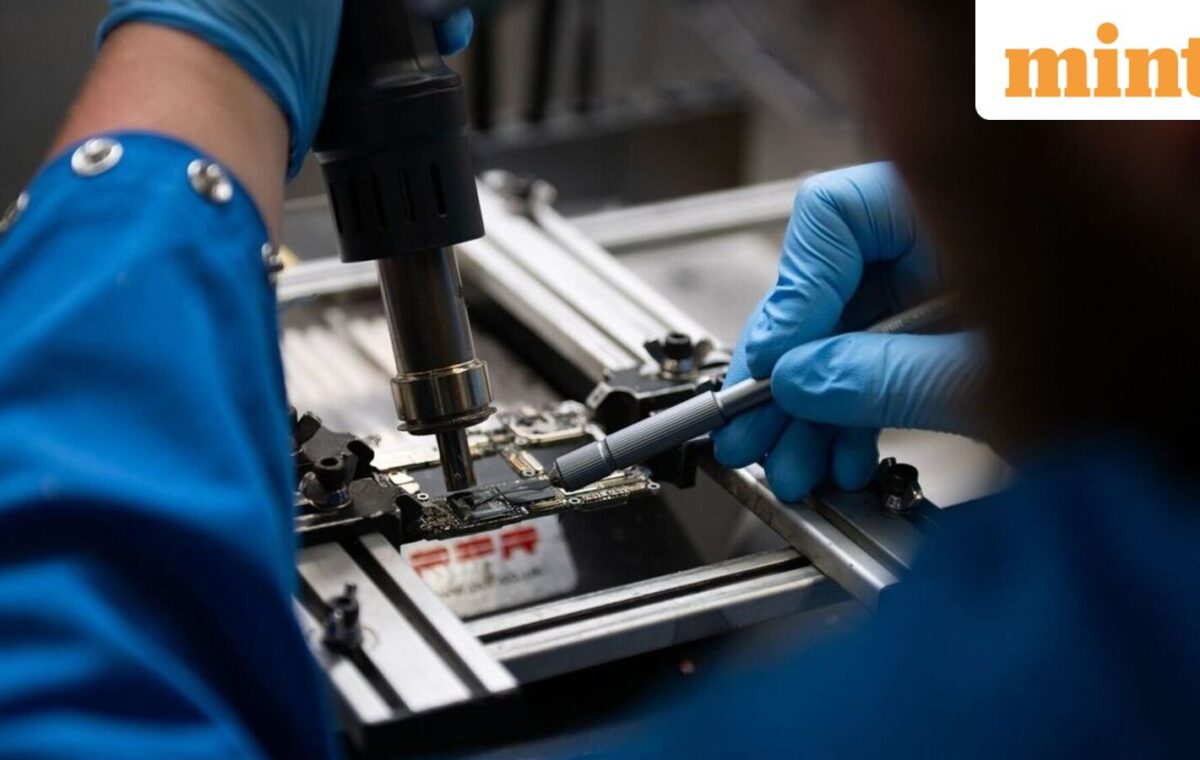
Global chip shortages, costlier imports due to a weaker rupee and a shift in demand towards artificial intelligence (AI) chips are making consumer electronics, including laptops and smartphones, more expensive. The situation is unlikely to improve soon and could weigh on sales during the upcoming festival season. Mint explores.
Yes. Prices of laptops and smartphones have risen 8–15% in India over the past year. Premium devices, particularly those powered by AI-enabled chips, have seen sharper increases. Flagship smartphones now cost ₹5,000– ₹15,000 more than last season, while even mid-range laptops are ₹7,000– ₹12,000 costlier.
Retailers say entry-level devices have been relatively less affected, but the broader price increase is squeezing affordability. The inflationary pressure is visible across categories, from smartphones and PCs to other consumer electronics, with little immediate relief in sight.
Three factors are driving the increase. Semiconductor supply constraints have raised chip costs, while chipmakers have shifted production capacity towards AI hardware to meet surging demand for AI infrastructure and data centres, putting further pressure on the supply of some hardware.
At the same time, the rupee’s weakness against the US dollar—around 11% over the past year—has made imported components and finished devices more expensive. Higher freight costs amid the Iran-US-Israel conflict and broader inflationary pressures have added to landed costs. Additionally, manufacturers are prioritizing higher-margin AI-enabled devices, further tightening supply of some budget models. Together, these pressures are pushing up costs across consumer electronics.
An immediate relief is unlikely. The chip squeeze is expected to persist, with market intelligence firms such as International Data Corporation forecasting memory shortages and high gadget prices through at least 2027.
Manufacturers’ focus on AI chips is unlikely to ease quickly, while currency volatility adds another layer of uncertainty. Geopolitical tensions are also disrupting logistics and keeping costs elevated. Prices could ease as new fabs in Asia and the US ramp up production, but that is an 18–24-month prospect.
Yes. The second-hand and refurbished-device market is expanding rapidly, with used-gadget platforms reporting double-digit growth as consumers seek more affordable alternatives.
Rising smartphone prices are pushing budget-conscious buyers towards refurbished models. At the premium end, older iPhones and other sought-after devices are commanding higher prices as new models become more expensive. Corporate laptop upgrades are also adding to the supply of used devices, benefiting students and small businesses.
The trend is particularly pronounced in tier-II and tier-III cities, where affordability is a bigger consideration. Concerns around warranties and after-sales service remain, however. Overall, higher prices for new devices are accelerating consumer acceptance of used and refurbished alternatives.
They could. Higher prices are likely to weigh on festival-season sales of consumer electronics and white goods, which also contain electronic components and are facing higher input costs.
Diwali and Dussehra traditionally drive electronics purchases, but consumers could delay upgrades or opt for refurbished products this year. Discounts may also be more modest than in previous years, limiting impulse purchases.
Affluent urban consumers may continue to spend on premium devices, but price-conscious middle-class households are likely to be more cautious. Overall, higher prices risk muting festive demand. Retailers are expecting electronics sales to decline 50% by volume and 30% by value from last year, according to TechArc, a technology market research firm.
Shelley Singh is a Delhi based technology and business journalist with more than two decades of writing and reporting experience on a spectrum of issues. He has a Masters in Physics from Delhi University and MBA from Deakin University, Australia (distance learning). He has closely followed the growth of the technology sector and has been actively writing on topics like Artificial Intelligence (AI), outsourcing, IT services, hi-tech manufacturing and so on. Shelley has written across publications including Mint, The Times of India, The Economic Times, Businessworld, Financial Express, Outlook Money. He has also won several journalism awards including the Times Group Chairman’s award, the British Chevening Scholarship, Shriram Journalism Award, Polestar award and was the first winner from India of the Citi Journalistic Excellence Award, Columbia University.
Catch all the Industry News, Banking News and Updates on Live Mint. Download The Mint News App to get Daily Market Updates.