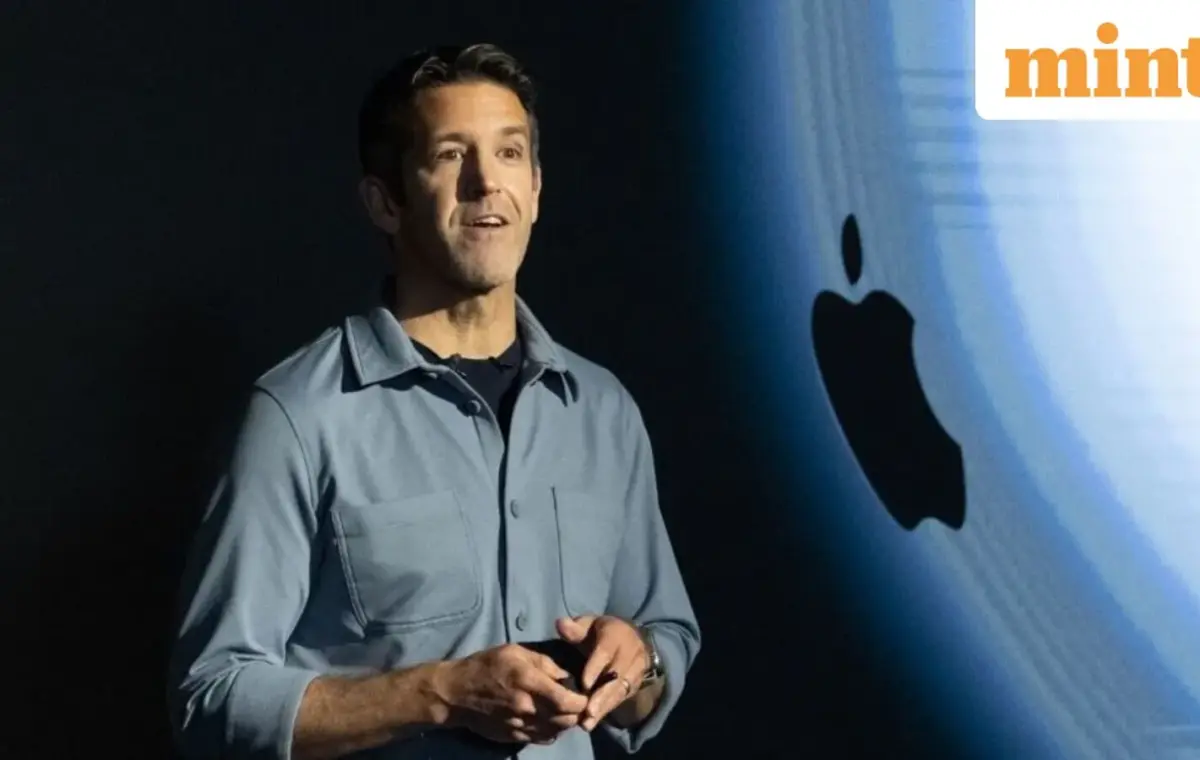
The Apple board has given its new CEO, John Ternus, a massive new compensation package to kickstart his tenure, with the potential for even bigger payouts in the future. Apart from the huge bump in the pay structure, Ternus took over the new role with a compensation package that could put his stock holdings at more than $148 million. Here’s a closer look at how much Apple’s new CEO could make from his pay and stock awards.
The Apple board has raised Ternus’ annual salary to $3 million and granted him restricted stock units worth $2.5 million, prorated for the few weeks he’ll serve as CEO before the end of Apple’s 2026 fiscal year. And for fiscal year 2027, the board has approved an annual equity award with a target value of $55 million.
Ternus’ existing Apple holdings add significantly to the new salary package. According to a securities filing, he currently holds about 34,000 Apple shares in a trust, which roughly amounts to $11.1 million at Tuesday’s stock price.
John Ternus will earn an annual salary of $3 million, alongside a targeted annual equity award valued at $55 million for fiscal 2027.
75% of Ternus’ annual equity award will vest based on Apple's total shareholder return compared to other S&P 500 companies, while the remaining 25% will vest over four years.
Tim Cook will transition to the Executive Chairman role and will receive an annual salary of $2 million, along with a targeted equity award of $45 million for fiscal 2027.
If Tim Cook retires, his equity award will vest based on performance requirements for performance-based RSUs, but the shares will settle on their originally scheduled vesting dates.
John Ternus officially became CEO of Apple on September 1, 2026.
Apart from that, he has seven restricted stock grants covering around 305,000 shares, currently worth at least $99 million, depending on how the shares pay out. Nearly half are performance units that could pay double or nothing, and hence the final payout could range from about $50 million to $148 million.
That puts Ternus’ disclosed stock exposure at roughly $110 million at current value.
His new fiscal 2027 equity award is also heavily tied to performance. About 75% will vest based on Apple’s total shareholder return relative to other S&P 500 companies, while the remaining 25% will vest over four years, at 12.5% per year.
Tim Cook, who, after 15 years as CEO, is sticking around as executive chair while Ternus finds his footing, saw his salary decrease from $3 million to $2 million, effective later this month. The Apple board approved a $45 million target equity award for him, half in RSUs that vest over four years, and half that vest based on performance.
Cook’s total pay package in 2025 as CEO was $74.3 million.
In Tuesday’s filing, Apple didn’t say how much the executives may also receive in cash bonuses, though those are usually valued at about double the base salary. The Cupertino, California-based company typically provides more details ahead of its shareholder meetings early in the year.
Sanchari Ghosh is an Assistant Editor at Mint with over 12 years of experience in journalism, specialising in personal finance, DLT & DeFi, geopolitics and foreign policy, with a particular emphasis on how these areas intersect. <br>
She writes extensively about how money works in everyday life—helping readers navigate personal finance decisions. <br>
As AI reshapes investing behaviour, capital is increasingly flowing into decentralized ecosystems, redefining how assets are managed, traded, and valued. She focuses on explaining how money flows within frameworks like Distributed Ledger Technology (DLT), DeFi protocols, and crypto markets—while also exploring what the future of money could look like in a trustless, programmable financial world. <br>
She also focuses on immigration-related issues, simplifying complex topics around visas, passports, overseas financial planning, and the many practical challenges Indians face while moving or living abroad. <br>
Alongside personal finance, Sanchari has a strong understanding of international politics, contemporary and historical conflicts, and global state decisions. She closely tracks how geopolitical developments influence economies, markets, and individual financial choices, bringing together finance and global affairs in her reporting. <br>
She began her career as a desk editor, which gave her a strong foundation in news writing. Over time, her interest naturally shifted toward personal finance. Before joining Mint in 2020, she worked DNA, The Times of India, Outlook Money, BloombergQuint, and ETMoney. At Mint, she got an opportunity to expand her coverage to include immigration and geopolitical developments while continuing to closely follow personal finance trends and market movements.As a journalist, she is committed to accuracy, intellectual rigour, and fairness. <br>
She is an English Major and her work took her across cities including Delhi, Mumbai, and Pune. Living independently from an early age gave her firsthand experience in managing life and money on her own. This practical exposure sparked her strong interest in personal finance. <br>
Outside the newsroom, Sanchari is a sports enthusiast who regularly plays lawn tennis and squash. In her younger years, she was also a national-level badminton player.