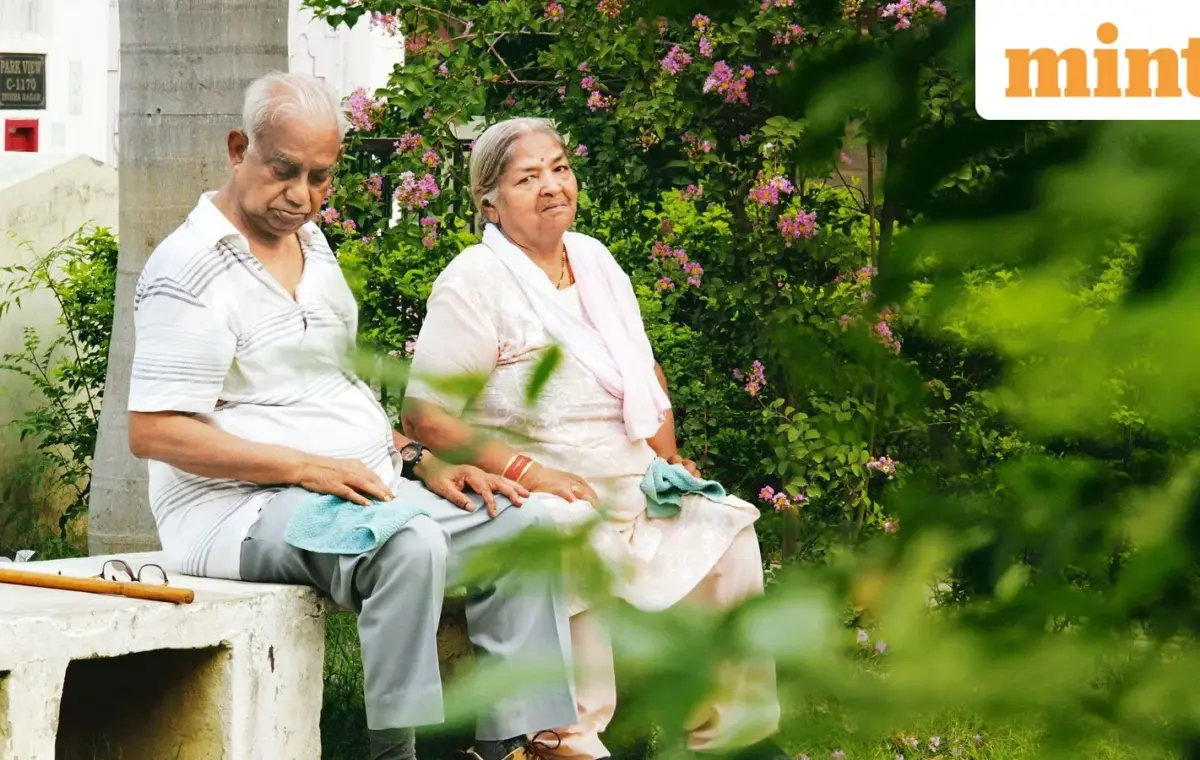
India's department of consumer affairs is working on a national framework for the country’s elderly population that seeks to promote their greater participation in the workforce, ensure good-quality care, support employees with caregiving responsibilities, and create dementia-inclusive communities, among other measures, according to two officials close to the matter.
The plan comes amid concerns over changing family structures and the growing prevalence of nuclear families, as India undergoes a rapid demographic transition. The number of people aged 60 years and above is projected to rise from 100 million in 2011 to 230 million by 2036, increasing their share of the population from 8.4% to 14.9%, according to federal policy think tank Niti Aayog.
The United Nations Population Fund (UNFPA) has projected an even larger long-term shift, estimating that 346 million Indians, nearly 21% of the population, could be aged 60 or above by 2050.
Around half of male senior citizens and 22% of female senior citizens are working, highlighting the significant role older people already play in the country's workforce, according to NITI Aayog’s 2024 Senior Care Reforms paper, which cites the Longitudinal Ageing Study in India (LASI). The latest LASI data, published on 26 February 2024, covered the 2017-18 survey period.
Non-profit organization HelpAge India’s 2026 research found that older people living alone often have limited care support: 38% depended on neighbours for care, 20% relied on family members living elsewhere, while 16% received no care at all.
Niti Aayog has identified the implications of demographic ageing for employment, social security, healthcare and the wider economy, and proposed a national policy for caregivers.
The Bureau of Indian Standards (BIS), which works under the department of consumer affairs, has been tasked with developing the framework, which will have a set of protocols for the quality of care for older persons and their participation in the workforce, said the government officials.
“The government is working on a draft on creating an age-inclusive workforce, with general requirements and guidelines for organizations to address the needs of an ageing workforce. The proposed guidelines seek to help organizations create an environment that enables older people to continue participating in the workforce," said one of the two officials cited above on condition of anonymity.
“The idea is to help organizations create a work environment that is inclusive of people across different age groups and is responsive to the needs of an ageing workforce,” the official said.
India has 705 government-supported senior citizen homes, along with other institutional and home-based elder-care services, according to minister of state for social justice and empowerment B.L. Verma's written reply in the Lok Sabha on 3 February.
“The government will follow international practices and adopt the global framework, which recognizes that care for older people extends beyond institutional facilities to services delivered at home,” the second official said, also on condition of anonymity.
The move comes as the government explores ways to help older people remain economically active and healthy. In a reply to a question by Rajya Sabha member Rajinder Gupta on 22 July, Union minister for social justice and empowerment Virendra Kumar said the National Career Service (NCS) portal had identified 168,000 vacancies as suitable for candidates aged above 60 years.
India’s unemployment rate stood at 5.1% in July, according to the Periodic Labour Force Survey (PLFS). The country had an estimated 566 million employed people aged 15 years and above during April-June 2026.
Another important element of the proposed framework is the creation of dementia-inclusive communities, moving the issue beyond medical care to how communities function and accommodate people living with dementia, the officials said.
The number of Indians aged 60 years and above living with dementia is projected to nearly double to about 17 million by 2036 from an estimated 8.8 million in 2026, according to a 2026 document of the social justice ministry. The prevalence of dementia among the elderly population is estimated at 7.4%.