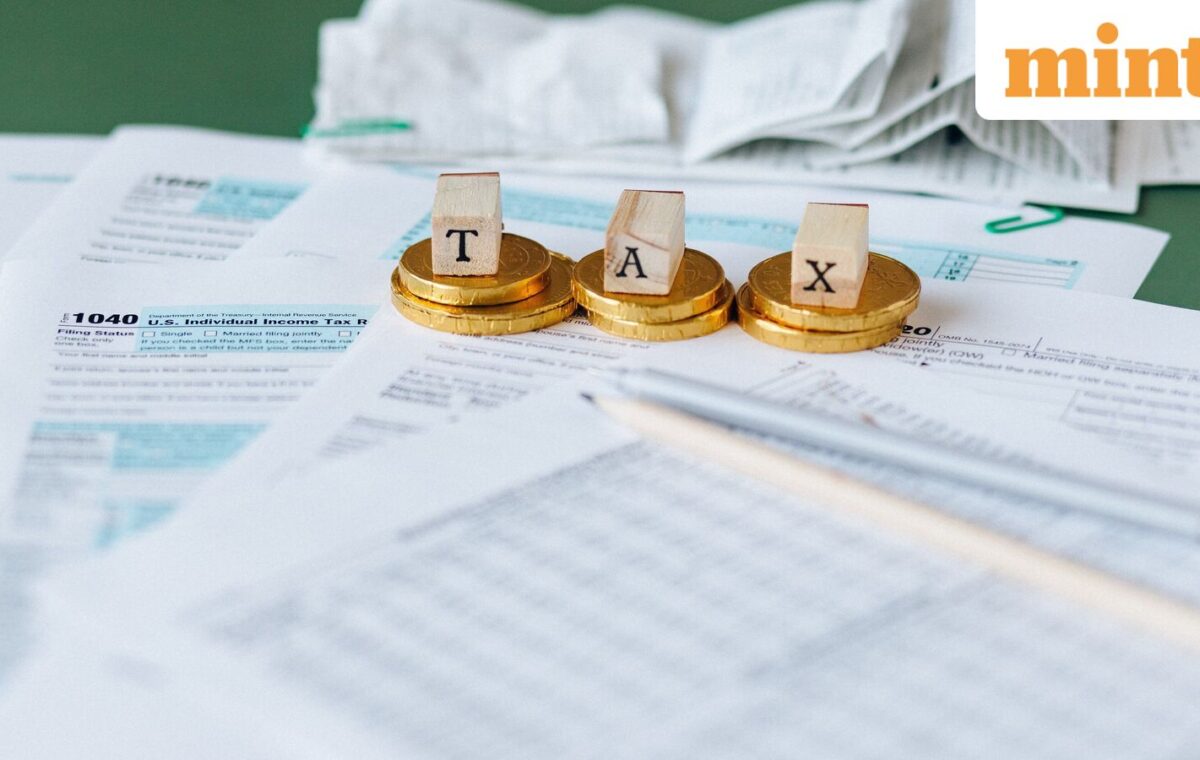
If you have an income tax payment due but are short of immediate cash, paying by credit card may appear like a convenient option. The Income Tax Department allows this payment option through its e-filing portal.
Taxpayers can clear certain liabilities, such as advance tax, self-assessment tax and outstanding demands, via the official e-paying facility using authorized payment gateways that support credit card transactions.
The service functions like other digital payment methods, but taxpayers should note that paying income tax by credit card is not always cost-free. Convenience or processing charges may be levied in addition to the tax amount.
The e-pay tax service is an online payment system that enables taxpayers to pay direct taxes electronically through the income tax department's e-filing portal. The facility is available in both pre-login and post-login modes.
Apart from credit cards, taxpayers can also pay their taxes through the payment gateway using other digital payment modes, including debit cards, net banking and UPI. After selecting their preferred payment method, users are redirected to the corresponding payment gateway to complete the transaction.
The deadline for filing ITR-1 and ITR-2 has passed, which saw more than 5.9 crore taxpayers filing returns ahead of 31 July. The due date for filing ITR-3 and ITR-4 (presumptive taxation scheme), which are meant for businesses and professionals, is 31 August.
If you want to pay your outstanding tax dues by logging into the tax department's e-filing portal, follow the given steps:
Step 1: After logging in to the portal, click e-file > e-pay tax from the dashboard. Make the appropriate selection, then click Continue.
Step 2: On the e-pay tax page, click New Payment to initiate the process.
Step 3: Choose the applicable tax payment tile, select the relevant year, minor head, and other required details, then click Continue.
Step 4: Enter the tax breakup by entering the applicable amounts under the relevant tax heads, then click Continue.
Step 5: Select credit card as your preferred payment method and complete the payment by following the on-screen instructions. After the transaction is successful, you can download the challan receipt for your records.
Meanwhile, taxpayers who choose the pre-login option can make payments by verifying their PAN or TAN through a one-time password (OTP) sent to their registered mobile number. They can also opt for a credit card as their preferred payment method to settle the dues.
Banks and payment gateways may levy convenience or processing fees for tax payments made by credit card. It typically ranges between 0.85% to 1.25% of the tax amount, according to a HDFC Bank report.
The amount paid will be treated as a regular credit card transaction that must be repaid within the billing cycle. If the outstanding credit card bill is not cleared on time, interest can significantly increase the overall cost of paying the tax dues.