Account subscription benefits alongside Premium Stories, Editorials,
Opinions and more. Unlock these with Subscription
The View From India
Looking at World Affairs from the Indian perspective.
First Day First Show
News and reviews from the world of cinema and streaming.
Today's Cache
Your download of the top 5 technology stories of the day.
Science For All
The weekly newsletter from science writers takes the jargon out of science and puts the fun in!
Data Point
Decoding the headlines with facts, figures, and numbers
THEdge
At the cutting edge of education and careers
Health Matters
Ramya Kannan writes to you on getting to good health, and staying there
Gender Agenda
Stories from beyond the binary.
The Hindu On Books
Books of the week, reviews, excerpts, new titles and features.
Published – August 05, 2026 07:46 pm IST – NEW YORK
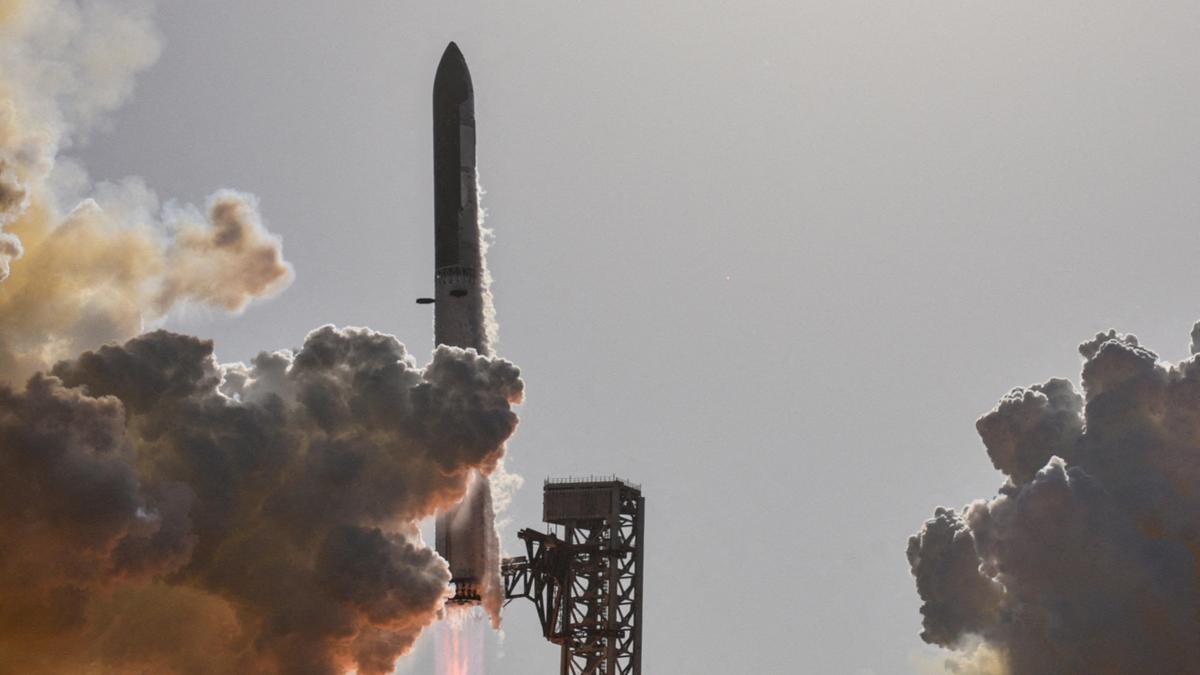
The SpaceX Starship and Super Heavy v3 Booster lift off on its 13th test flight from the SpaceX launch complex in Starbase, Texas, U.S., July 24, 2026. REUTERS/Steve Nesius/File Photo
| Photo Credit: STEVE NESIUS
A four-tonne piece of a SpaceX rocket was believed to have unintentionally crashed into the Moon on Wednesday (August 5, 2026), a collision that posed no danger to Earth but is expected to leave behind a lunar crater.
While there is not yet official confirmation that the Falcon 9 upper stage struck the lunar surface, it had been expected to make impact at approximately 0635 GMT.
NASA and its Lunar Reconnaissance Orbiter probe and South Korea's Pathfinder Lunar Orbiter were planning to take images of the site after impact, but it may take days to receive that information.