India’s infrastructure investment trusts (InvITs) will soon no longer be only about roads and telecom.
Targeting more than ₹20 trillion in assets by 2030, they are set for a sharp expansion with power, shipping, logistics, data centres, ports and railways emerging as the next big pool of assets, according to NS Venkatesh, chief executive officer of the Bharat InvIT Association, an industry lobby group.
The shift reflects a broader change in the way infrastructure assets are financed in India. InvITs allow developers to transfer operational, cash-generating assets into a separate investment vehicle, unlock capital and deploy the proceeds into fresh projects. For investors, the model provides access to mature infrastructure assets with relatively predictable cash flows.
The distinction between operational and greenfield assets is particularly important. New infrastructure projects carry risks related to land acquisition, right of way, approvals and construction. Operational assets have an established revenue history that make them more suitable for an investment structure designed to provide regular distributions to investors.
Power transmission and generation could become important additions to the InvIT universe, while warehouses, logistics parks and data centres are emerging as potential asset classes, Venkatesh said. The rapid growth of digital infrastructure and the need for energy-storage capacity could further widen the pipeline, he added.
Shipping presents another potentially large opportunity. Ships are capable of generating identifiable revenue and could, subject to the appropriate structure, be owned through an InvIT, while a separate operator deploys them for cargo or passenger movement. Revenue from operations could then support distributions to investors. The Bharat InvIT Association is working on standardized frameworks for such structures, Venkatesh said.
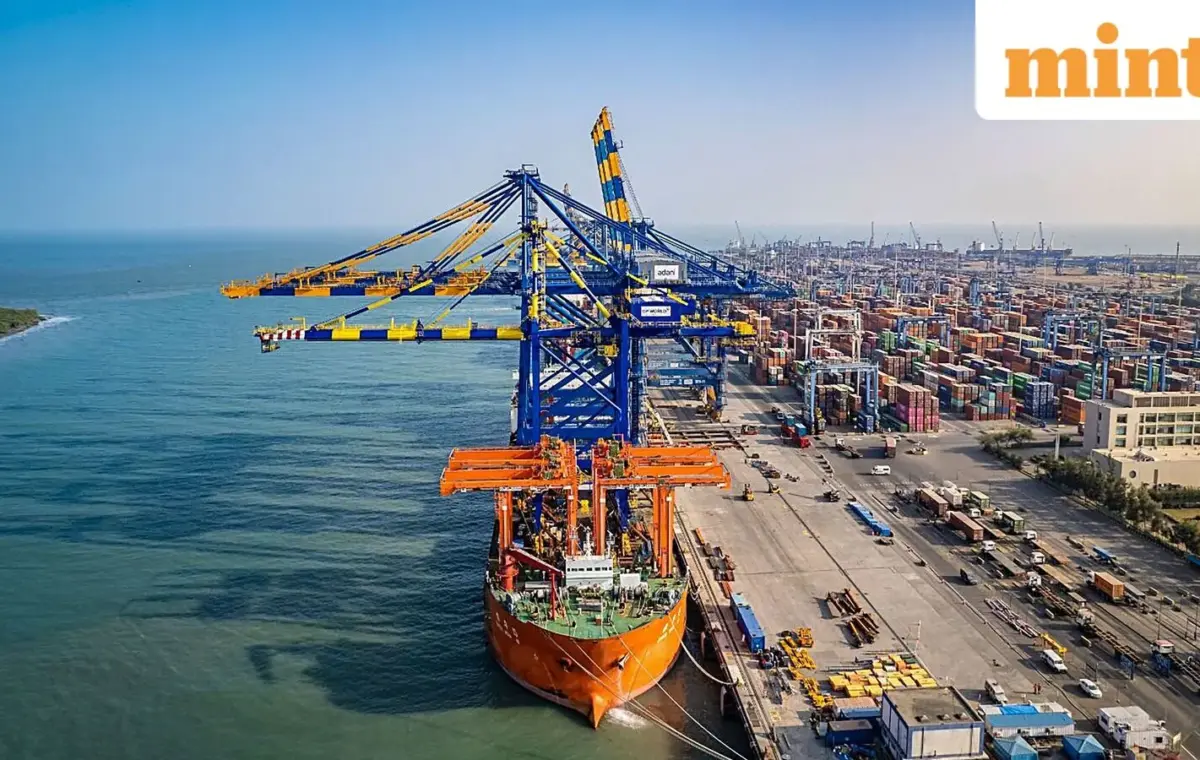
Ports could be monetized, particularly through operational terminals rather than entire port assets. Warehouses and logistics facilities could be pooled once they become operational and generate stable cash flows.
Railways and metro systems are another potential frontier. Operational railway assets and mature assets held by public-sector railway companies could eventually be considered for InvIT structures where there is sufficient revenue visibility, Venkatesh said.
The government’s asset-monetization programme is expected to provide a steady supply of mature infrastructure assets. State governments are beginning to explore InvITs to recycle capital – among them Rajasthan, Karnataka and Uttar Pradesh, according to Venkatesh.
The number of registered InvITs could rise from 28 currently to 40-50 by 2030 as the asset pool expands. Foreign pension funds, sovereign wealth funds, insurers and private equity investors remain important sources of capital, while domestic mutual funds have emerged as significant investors.
There will likely be more public offerings, too, Venkatesh said. Nine InvITs have gone public so far, while others are privately placed but listed. Venkatesh expects another four to five public InvITs to enter the market during the current financial year.
Since the launch of the framework in 2017, InvITs have cumulatively distributed about ₹97,000 crore to investors, underlining their growing role in channelizing long-term capital into infrastructure. Assets managed by InvITs have grown at a compounded annual rate of 18-19% over the past seven years, Venkatesh said.
“The mutual fund industry took 50 years (till 2014) since the passage of the UTI Act in 1963 to come to ₹10 trillion AUM. But InvITs and REITs together reached that milestone in just around nine years since the launch of the first InvIT in 2017,” Venkatesh said, adding that retail participation in these instruments is also gathering momentum with an increasing number of private InvITs going public.
For the industry, however, deeper participation from domestic pension and insurance funds and greater tax clarity will be important to sustain the next phase of growth. Venkatesh said issues around tax deducted at source and the surcharge applicable at the special-purpose vehicle level need further clarity.
If the pipeline materializes, InvITs could move from being primarily a mechanism for recycling road assets to becoming a broader infrastructure-financing platform, linking operational assets across transport, power, logistics, digital infrastructure and shipping with long-term institutional capital, Venkatesh said.