Despite some tweaks this year, college football's most controversial rule — targeting — is still in the rulebook, and that means it's surely going to create some confusion and frustration among teams and their fan bases this season.
The rules around targeting are rooted in concern for players' safety — both the player making the tackle and on the receiving end. But that doesn't mean everyone fully understands the rules.
So as targeting calls seem to evolve in turn with the college football landscape, what do this year’s targeting penalties look like? And what is targeting? We're here to break it down in simple terms.
(Photo by David Buono/Icon Sportswire via Getty Images)
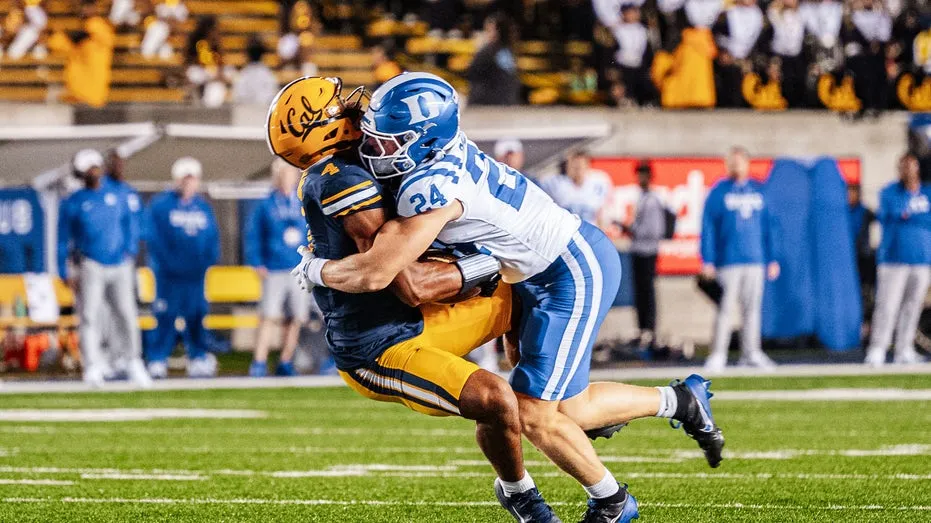
Targeting in college football, essentially, is when a player initiates forcible contact against an opponent beyond a routine legal tackle, block or play on the ball. And there's an emphasis around players' heads and necks.
OK, so what does that actually look like?
Targeting could mean a player leads with the crown of their helmet while making forcible contact OR it could mean making forcible contact above the shoulders of a defenseless opponent, especially with a helmet or shoulder.
When a targeting call is up for debate by officials, it’s ruled a foul. However, there still needs to be at least one indicator of targeting.
Some indicators of targeting — per the NCAA rulebook — include:
If a player leads with the crown of their helmet, it’s targeting, regardless of whether the player is defenseless.
Additionally, instant replays must confirm the targeting call because there is no "stands" option.
(Photo by David Buono/Icon Sportswire via Getty Images)
In the past years, the penalty — in the second quarter of play — used to be an automatic disqualification for the rest of that game and first half of the following game. This season, the rules have shifted to allow fewer disqualifications.
Now, if a player is ruled out for targeting in the second half, they do not face the first-half suspension. But, a second targeting that same season would force that player to face a first-half suspension the next game.
However, if the player commits three or more targeting penalties, individual conferences have the option to submit an appeal. The appeal process includes a video review by the NCAA national coordinator of football officials. If the appeal is accepted, the player does not face a suspension and is eligible to play for the full game.
Source: Read the original article on www.foxnews.com
Written by https://futureknowledge.in/