This is read by an automated voice. Please report any issues or inconsistencies here.
See more from the L.A. Times in Google Search. Set us as preferred
In late summer, when almond husks split open, workers at Creekside Farming in Madera gear up machinery to shake the trees. Tractors zoom around, fallen nuts are collected, and trucks cart off the bins of almonds.
The whole process relies on diesel fuel, which has grown extremely expensive in recent months, said farm owner Jay Mahil, whose family has been growing wine grapes, citrus and other crops in the Central Valley for four generations.
The national average price of diesel hit a new record high of $5.85 per gallon Friday, while California’s average climbed to about $7.71, according to the AAA motor club.
The oil product undergirds much of the global economy, and California, a major player, is no exception to the pain caused by ongoing supply chain disruptions stemming from the U.S. war with Iran.
The higher fuel costs are squeezing businesses across various industries in California, which has massive trucking and agricultural sectors that rely heavily on diesel to power equipment.
Mahil said his fuel costs are up 40% from this time last year.
“These higher costs come at the worst time for us, “ Mahil said. “These are highly inundated time frames.”
Mahil keeps a close eye on prices. When there’s an occasional slump or dip in the oil market, he orders several truckloads of fuel. But other businesses usually have the same idea, and the fuel depots often run out those days.
“We are running a little leaner right now, with less oil in the tanks,” Mahil said.
California diesel prices set a record earlier on in the war, at around $7.75 per gallon in April.
Greg Dubuque, general manager for a trucking fleet based out of Montebello, noted that the cost to fill his trucks in California has gone from around $1,200 in April to $1,800.
“It’s a dramatic impact, especially for us smaller companies,” he said.
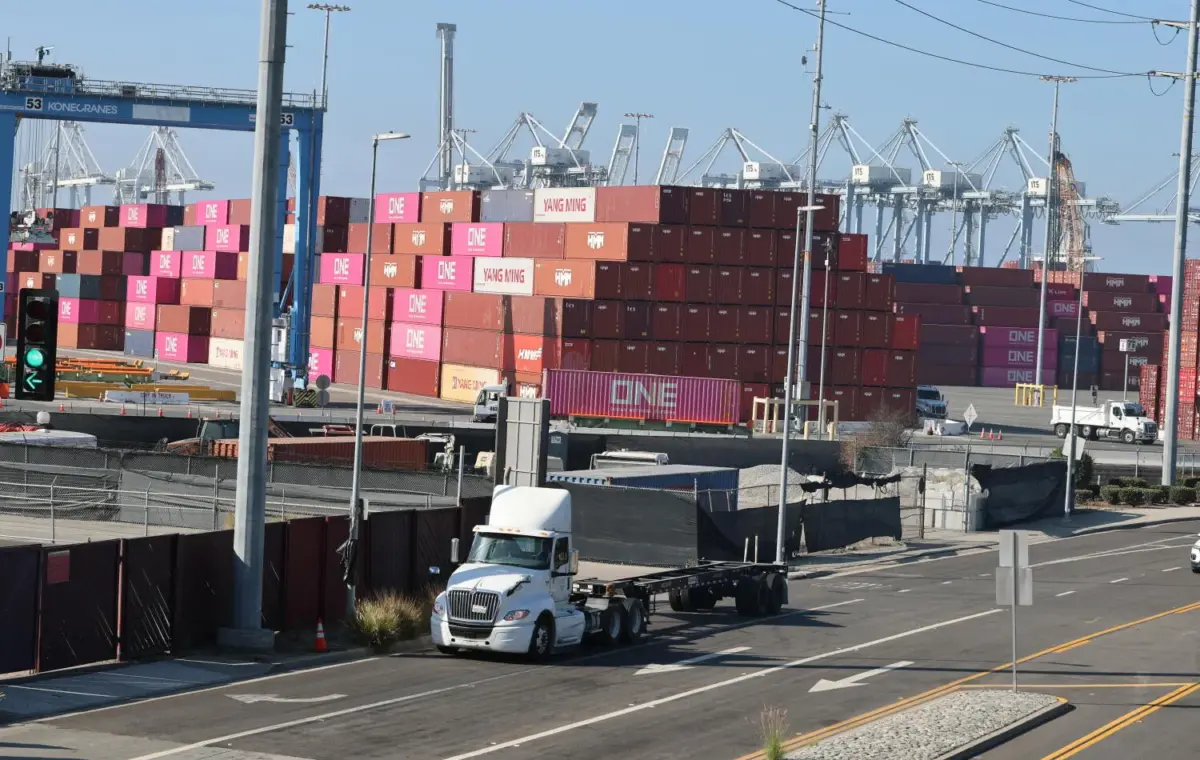
Gene Seroka, executive director of the Port of Los Angeles, said more than two-thirds of cargo moving in and out of the port is carried by trucks. And of the some 1,200 trucking companies that do business at the port, more than 50% are small to medium-sized companies that are seriously struggling with prices, Seroka said.