This is read by an automated voice. Please report any issues or inconsistencies here.
See more from the L.A. Times in Google Search. Set us as preferred
The little L.A. shop was a destination for Hello Kitty fans for decades when it decided to dive into a massive new wave of e-commerce — peddling its products live on TikTok.
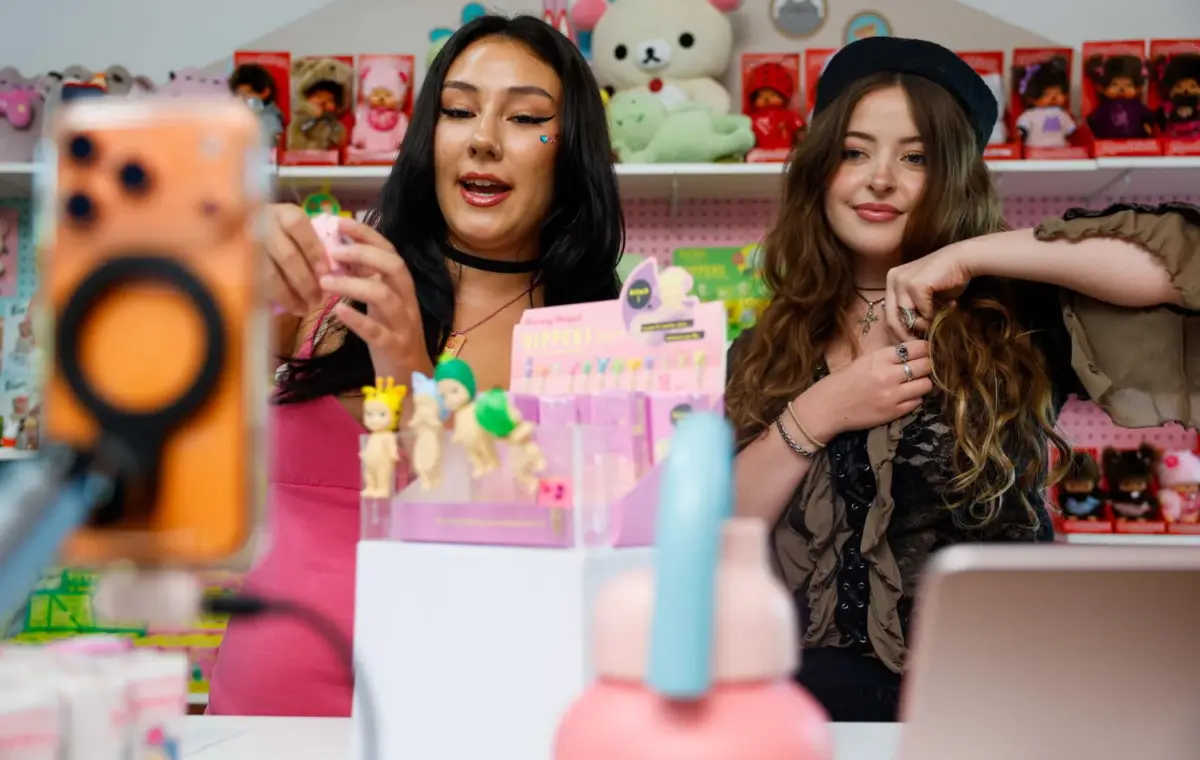
The first floor of the JapanLA store in Fairfax is full of stuffed toys. It houses shelf after shelf of cute Japanese characters such as My Melody, Totoro and Kuromi. Upstairs is the real moneymaker. Employees stand in front of phones, pitching the hottest new products of kawaii (cute in Japanese) culture.
While the upstairs business has brought in tens of thousands of new customers, it has also attracted trolls trying to shut JapanLA down. The haters have hacked the store’s website, harassed its hosts, spread rumors about its owner, and threatened to show up in force in front of its physical store.
JapanLA owner Jamie Rivadeneira says she has never seen cute consumers turn so ugly.
“I created JapanLA 20 years ago for adults who like cute stuff, so they can feel safe and feel like it’s OK to like toys and collect them,” she said. “To attack me is so opposite of what I stand for.”
It is a cautionary tale that points to the potential profit and pitfalls when small local businesses push back against the onslaught of e-commerce by using technology to reach a wider audience. It also demonstrates how the Labubu craze — in which people keep buying blind boxes of the same toys in hopes of getting a rare, expensive one — has turned some shops into casinos.
Rivadeneira was ahead of the curve when she opened a small toy shop in 2006 on a street off Melrose Avenue selling items featuring Hello Kitty and other Japanese characters.
From its early days, the store, called JapanLA, harnessed the internet to promote its products, using MySpace to connect with what was at the time a niche community: Los Angeles fans of kawaii culture. As it went mainstream, kawaii culture grew into a 5,000-square-foot retail space on La Brea Avenue with more than 20 employees.
Although its store continues to attract a steady flow of walk-in customers looking for the cutting edge of cute, JapanLA’s business has been turbo-charged in recent years by livestream shopping.
Livestream shopping, also called social commerce, is like the old cable shopping channels, but there are millions of shows, each serving a very specific niche, broadcasting live. The hosts interact with the shoppers watching. It started in Asia, is worth hundreds of billions of dollars in sales, and has been growing fast in the U.S.
JapanLA first dabbled in livestream shopping during the pandemic lockdown, when it had to close its store. It started on a platform called Popshoplive to sell Hello Kitty and other items, but sales didn’t skyrocket until it switched to TikTok Shop in 2023.
Today, JapanLA’s TikTok account has nearly 400,000 followers and hosts seven-hour livestream shopping sessions six days a week. The shop’s 12 bubbly livestream hosts have turned into micro-celebrities. Their customers comment in the livestream’s chat, order hundreds of products during a session, and sometimes send tips and the occasional boba.
Uma Karmarkar, an associate professor at UC San Diego who studies consumer psychology, said livestreams are effective at getting consumers to spend more because they are engaging and temporary — meaning they tap into people’s fear of missing out on a rare opportunity.