With deadly floods battering Nepal, India is stepping up efforts to modernize its public-safety and disaster-response networks.
However, the high cost of devices, confusion over whether to use dedicated spectrum or spectrum shared with telecom operators, and shortcomings in the network trials they conducted are among the key concerns the government is currently facing, according to officials and industry executives.
At a meeting with device and equipment manufacturers and technology providers, including Ericsson, Tejas Networks Ltd, Motorola Solutions Inc., Sepura Ltd and Zebra Technologies Corp., on Wednesday, the home ministry and department of telecommunications (DoT) asked them to keep handset prices realistic. The government officials said handsets costing ₹100,000 would not be viable.
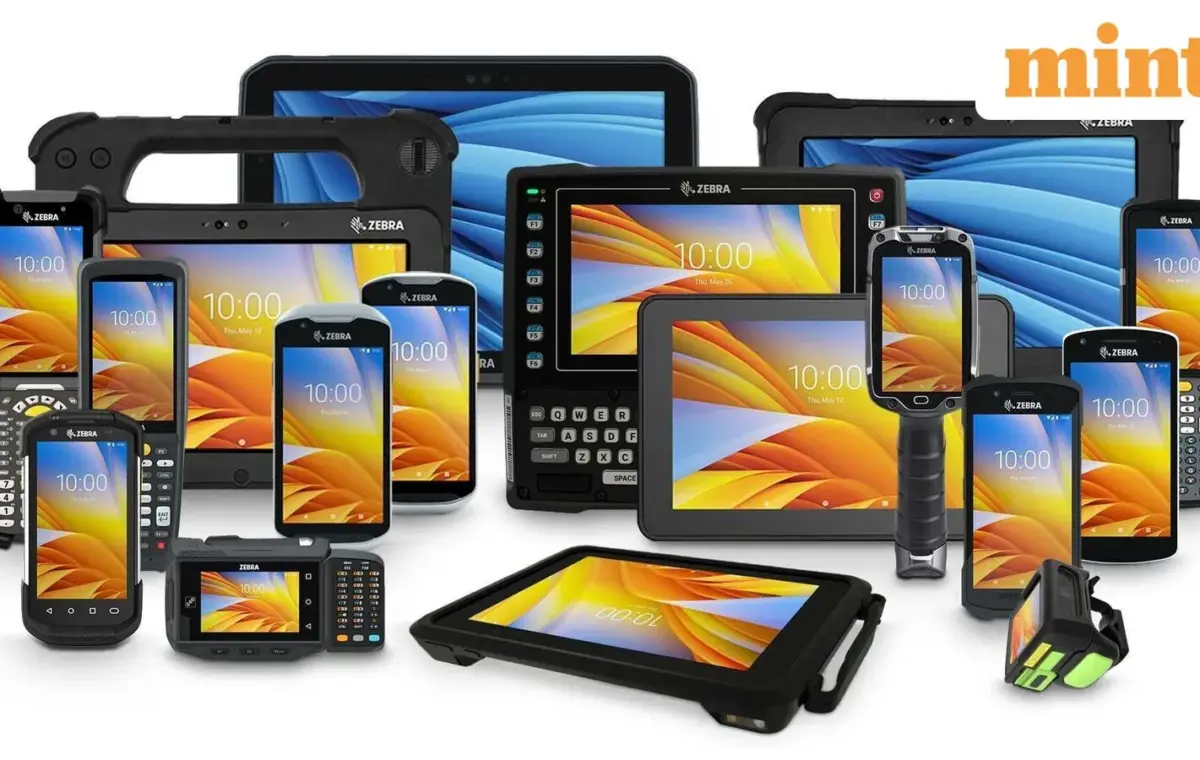
Devices used for public protection and disaster relief (PPDR) services—specialized communication networks used by first responders such as police, fire brigades and medical personnel—differ from standard consumer handsets and are designed to withstand demanding emergency operations.
The government has also sought the industry’s suggestions on which network architecture to deploy. The home ministry's directorate of coordination police wireless (DCPW) is currently evaluating three deployment models: a single telecom operator with dedicated spectrum; a single operator without spectrum; or a roaming agreement model with multiple operators, similar to the one used in France.
In France, PPDR services primarily use commercial telecom networks and spectrum, with priority access for emergency users, while dedicated government spectrum is used for tactical and emergency communications.
Samsung is also involved in discussions with the government, according to the officials.
“The plan is to currently have 500,000 handsets with Broadband PPDR capabilities and new technology. Today, we have 3.8 million police and CAPF (Central Armed Police Forces) personnel. In the time to come, we will definitely increase it to 1 million and later have a capacity of 3 million to 5 million,” a government official said on the condition of anonymity.
“The industry has suggested that a consultation should be done on device parameters, including security aspects, spectrum models, device and technology standards for better coordination and interoperability, among other things. The same is under consideration,” the official added.
A working group with industry representatives has already been set up to identify key requirements and expedite the project, the official said.
Mint's queries emailed to the ministry of home affairs, DCPW, DoT, telecom operators, and the equipment and device makers—Samsung, Sepura, Motorola—remained unanswered.
India is looking to modernize its public protection and disaster relief (PPDR) communication networks with enhanced broadband capabilities. The upgrade is needed as the existing infrastructure is largely fragmented, offers limited bandwidth or relies on ageing analogue systems primarily designed for voice communication.
The DoT and the DCPW, along with telecom operators—Bharti Airtel Ltd, Vodafone Idea Ltd, Reliance Jio Infocomm Ltd, and BSNL Ltd—have conducted proof-of-concept trials using telcos' spectrum at locations such as Amritsar in Punjab, the Andaman and Nicobar Islands, and Mumbai for 87 test cases.
“Tejas Networks is actively engaging with relevant government stakeholders regarding the PPDR opportunity. Tejas has successfully participated in the PPDR trials conducted by BSNL in Amritsar and Port Blair,” the company said in response to Mint's emailed queries.
“PPDR is a topic that holds much interest for governments across the globe. With our global 5G experience, we continue to have discussions with governments on this subject," said an Ericsson Spokesperson, in response to Mint's queries.