This is read by an automated voice. Please report any issues or inconsistencies here.
See more from the L.A. Times in Google Search. Set us as preferred
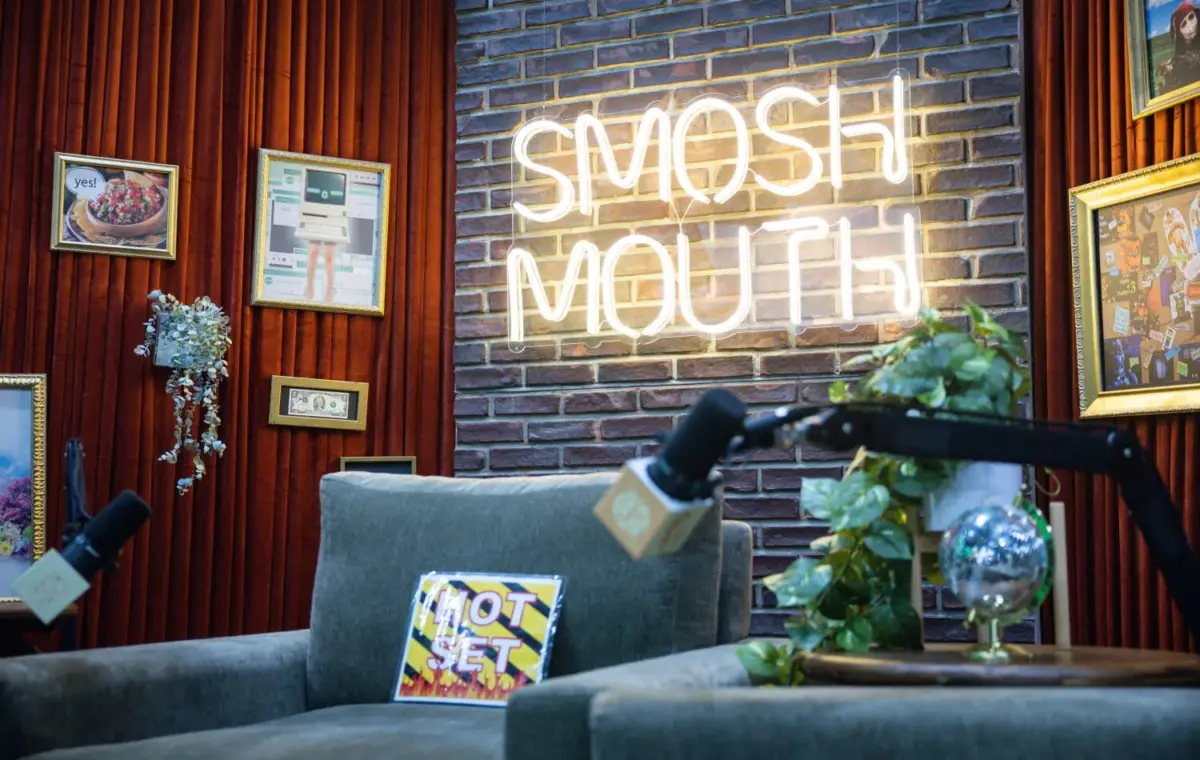
The exterior of the two-story, beige-colored building looks like any other drab office space near the Hollywood Burbank Airport. But on a recent weekday afternoon, the inside was bustling with activity: hairstylists carried brightly colored wigs between soundstages, a prop artist was building a fake leg for an upcoming video and YouTube stars gathered in a lobby, fidgeting with their phones while they waited to film their next scene.
They were among more than 100 employees of Smosh Productions, which this spring moved into the 32,000-square-foot facility, from a much smaller location in the city, to accommodate their programming needs.
Burbank is betting big on housing, nerd culture and free parking to revive its downtown scene.
It’s the latest creator-run company deepening its roots in Burbank, a neighborhood long defined by such iconic studios as Disney, Warner Bros. and Universal Pictures.
Other influencer-led companies that have expanded production footprints in the city include Rhett McLaughlin and Link Neal’s Mythical Entertainment and Alan Chikin Chow.
Internet content production is one of the few growth categories left in a Los Angeles production landscape that keeps shrinking.
Over the last two decades, YouTube has transitioned from a place with amateur videos to one that’s become a major force in TV with billions of global viewers and hosting some of the world’s largest concerts and sports games.
“Being ‘Media City’ is a part of Burbank’s tagline. And it’s still true; we are just a different kind of media,” said Katelyn Hempstead, Smosh’s executive coordinator, on a tour of the new facility.
The company, owned by pioneering YouTubers Ian Hecox and Anthony Padilla, produces up to 10 hours of internet content weekly across five channels. Its programming ranges from sketch comedy to games and challenges for their fans.
Shoot days for digital productions rose 47% in the second quarter to 661 compared with the same period a year ago — even as the overall number of on-location shoot days dropped 13% during that period, according to FilmLA, the nonprofit group that tracks local filming.
The story of how L.A. steadily lost much of its homegrown industry to other locales is a tale of hubris, escalating costs, political inaction and fierce competition from states and countries hungry for a piece of the Hollywood pie.
“When people have an opportunity to work for a few days on a vertical series or [when] they make an income out of being an influencer and producing regular content for their various social channels, that does help the economy,” said Philip Sokoloski, a spokesman for FilmLA. “They still purchase things. They still utilize equipment. They may rent things from local supply houses.”
Burbank is betting big on housing, nerd culture and free parking to revive its downtown scene.