Account subscription benefits alongside Premium Stories, Editorials,
Opinions and more. Unlock these with Subscription
The View From India
Looking at World Affairs from the Indian perspective.
First Day First Show
News and reviews from the world of cinema and streaming.
Today's Cache
Your download of the top 5 technology stories of the day.
Science For All
The weekly newsletter from science writers takes the jargon out of science and puts the fun in!
Data Point
Decoding the headlines with facts, figures, and numbers
THEdge
At the cutting edge of education and careers
Health Matters
Ramya Kannan writes to you on getting to good health, and staying there
Gender Agenda
Stories from beyond the binary.
The Hindu On Books
Books of the week, reviews, excerpts, new titles and features.
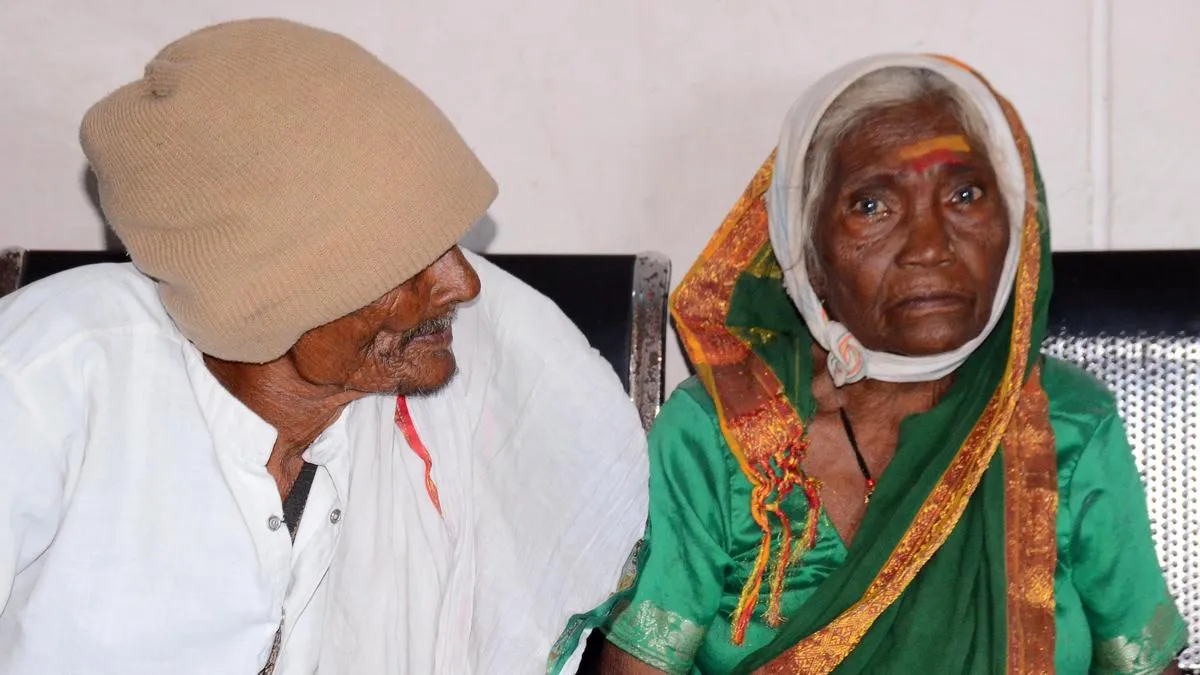
An ageing India will have to do more than simply count its older population; it will also need to find out what their requirements are, where these needs are appearing first, and whether the health system is able to meet them. Image used for representational purposes only
| Photo Credit: MOHD ARIF
India is ageing, and the most recent official figures show how quickly this is happening. The National Family Health Survey – 6 factsheets, released in August 2026, indicate that the proportion of Indians aged 60 years or older has reached 12.9%, up from 11.8% in NFHS-5, some four years earlier. This represents a small national increase, and while significant, is not the most interesting aspect of what the data reveal.
The more important conclusion is that India is not ageing as one country. Keralam, which was already the oldest state, now has 20.7% of its population aged 60 and over; Goa is at 17.2%, Himachal Pradesh at 16.4%, and Tamil Nadu at 16.3%. On the other hand, Bihar and Uttar Pradesh had their proportions of elderly people increase by only 0.4 and 0.3 percentage points, respectively and remain young by any measure. There is also the case of Ladakh, where the percentage of people over 60 rose from 8.9% to 14.6% in four years, a 5.7 percentage-point increase, which is greater than the increase Kerala achieved over the same period.
It is impossible to apply a single national template to such different populations. In States that are already ageing, there will be increases in the demand for care of chronic diseases, geriatric services and long-term care. Although younger States have more time ahead of them, that time is exactly when preparation should take place. Putting off action until the elderly population is large enough to be seen when looked at as a group, means responding to demographic change rather than predicting it.
The NFHS-6 State and national fact sheets include 101 key indicators. The only one of these relating to older Indians is the proportion of the population aged 60 and over; all the other information that could tell us about their health is either included in age groups that are too broad to be of any use or is given in a form that does not allow linkage to individuals.