Published: 23:35 BST, 2 September 2026 | Updated: 23:35 BST, 2 September 2026
Mortgage rates could soar after renewed turbulence on bond markets pushed the cost of UK borrowing to a 28-year high on Wednesday.
Yields on 30-year UK bonds, known as gilts, climbed above 5.92 per cent, the highest level since 1998, while 10-year gilt yields rose above 5.29 per cent, the highest since 2008.
Higher gilt yields add to the cost of servicing government debt, creating a headache for John Healey ahead of his Budget next month – and piling pressure on the Chancellor to raise taxes.
Experts think the volatility could feed through to borrowing in the real economy, including the rates offered by banks to homeowners. That is because so-called swap rates – which underpin mortgage rates – have also gone up. That will add to the pain already being felt by households facing rising energy bills and shop prices.
Rachel Springall, of financial data provider Moneyfacts, said: 'This does not bode well for borrowers, as lenders use swap rates as a key influence to reprice their fixed-rate mortgages.'
Global bond market chaos this week has been sparked by investor concerns about inflation and global debt levels.
Donald Trump's Iran war is at the heart of the worries. The conflict has choked off energy supplies from the Middle East and shows little sign of being resolved.
As a result prices are spiking, with the cost of Brent crude hitting $97 a barrel on Wednesday and European natural gas climbing to the highest level since 2023.
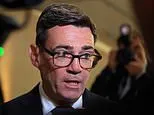
Prime Minister Andy Burnham. Yields on 30-year UK bonds, known as gilts, climbed above 5.92 per cent, the highest level since 1998
Higher gilt yields add to the cost of servicing government debt, creating a headache for Chancellor John Healey (pictured) ahead of his Budget next month
That is likely to feed into higher inflation and traders worry that could mean central banks, including the Bank of England, needing to put up interest rates.
David Hollingworth, associate director at broker L&C Mortgages, said the market volatility 'could have a direct impact on homeowners'.
He added: 'As market concern grows over whether interest rates will need to climb on the back of higher inflationary pressure, so it becomes more likely that fixed mortgage rates will begin to rise.
'Fixed rates shot up earlier this year when the Iran war began.