Japan’s collision with Donald Trump reveals the dilemma facing Britain: economic independence is becoming more necessary – and more tricky to achieve
“In the midst of every crisis lies great opportunity” is an aphorism attributed to Albert Einstein. It seems to be taken to heart by this White House. A global bond sell-off sparked by an inflationary shock emanating from the Gulf sees Donald Trump seeking to restrict plans by Japan – a longtime ally – to reduce dependence on an international system America dominates.
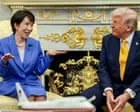
Japan, a successful exporter, has long done things its own way. For years Tokyo saw off the bond vigilantes despite running enormous deficits and a huge national debt. It demonstrated how a central bank could fund public spending and keep interest rates low if it wanted to. This economic model was refined by Shinzo Abe, Japan’s longest-serving prime minister. However, this week the US treasury secretary, Scott Bessent, called time on Abenomics as his price for US help in stabilising Japan’s currency. Japan’s Sanae Takaichi, he indicated, should shrink her $2tn spending plans and raise rates. Abenomics did not suddenly become financially impossible. It became inconvenient to the issuer of the world’s reserve currency.
Kevin Warsh, Mr Trump’s handpicked chair of the US Federal Reserve, has made it clear that he will raise interest rates in response to inflationary pressures. Others will be expected to follow. In Japan’s case, Washington fears that a yen crisis could become a bond crisis. A disorderly rout could force Japan into ever larger currency interventions – and repeated appeals to Washington to help defend the yen. If such aid proved inadequate, Tokyo could end up defending its currency by dumping US treasury bonds – of which it has more than a trillion dollars worth – and put upward pressure on the very yields Mr Bessent is trying to contain. His demand that Tokyo raise rates and cut spending is not just about Japanese inflation. It is about trying to prevent Tokyo’s adjustment to the Iran shock being exported on to America’s balance sheet.
Mr Burnham’s first Commons speech as prime minister suggests an expansive programme to raise living standards and get growth through regional reindustrialisation. This, he says, rests on the “bedrock” of fiscal responsibility. Mr Burnham promises an activist state to deal with four decades of underinvestment and privatisation. But retaining Rachel Reeves’s fiscal framework leaves his investment plans hostage to interest rates, debt costs and feverish “headroom” speculation. Turmoil in global bond markets could derail his industrial strategy before it gets going.
Japan’s big bazooka spending programme was meant to do what Mr Burnham now says Britain must do on a smaller scale: use the state to rebuild productive capacity, reduce strategic dependence and build its export competitiveness. Tokyo has the fiscal firepower, a central bank able to dominate the sovereign bond market and trillions invested overseas. The UK government could mimic that and change its fiscal rules, its relationship to the Bank of England and the way investment is accounted for.
But Japan is Mr Burnham’s problem writ large. The war in Iran made it urgent to reduce dependence on fossil fuels. But the conflict’s inflationary shock makes that objective harder – though not impossible – to pursue. Mr Trump’s team is using its leverage over the yen to restrain Tokyo’s plan to make Japan resilient to external price spikes. Mr Burnham has been forewarned: the Gulf inflation shock wave bolsters the argument for economic independence while making the means of achieving it more difficult.