Account subscription benefits alongside Premium Stories, Editorials,
Opinions and more. Unlock these with Subscription
The View From India
Looking at World Affairs from the Indian perspective.
First Day First Show
News and reviews from the world of cinema and streaming.
Today's Cache
Your download of the top 5 technology stories of the day.
Science For All
The weekly newsletter from science writers takes the jargon out of science and puts the fun in!
Data Point
Decoding the headlines with facts, figures, and numbers
THEdge
At the cutting edge of education and careers
Health Matters
Ramya Kannan writes to you on getting to good health, and staying there
Gender Agenda
Stories from beyond the binary.
The Hindu On Books
Books of the week, reviews, excerpts, new titles and features.
‘Advanced recycling has yet to become the default choice in India’
| Photo Credit: Getty Images/iStockphoto
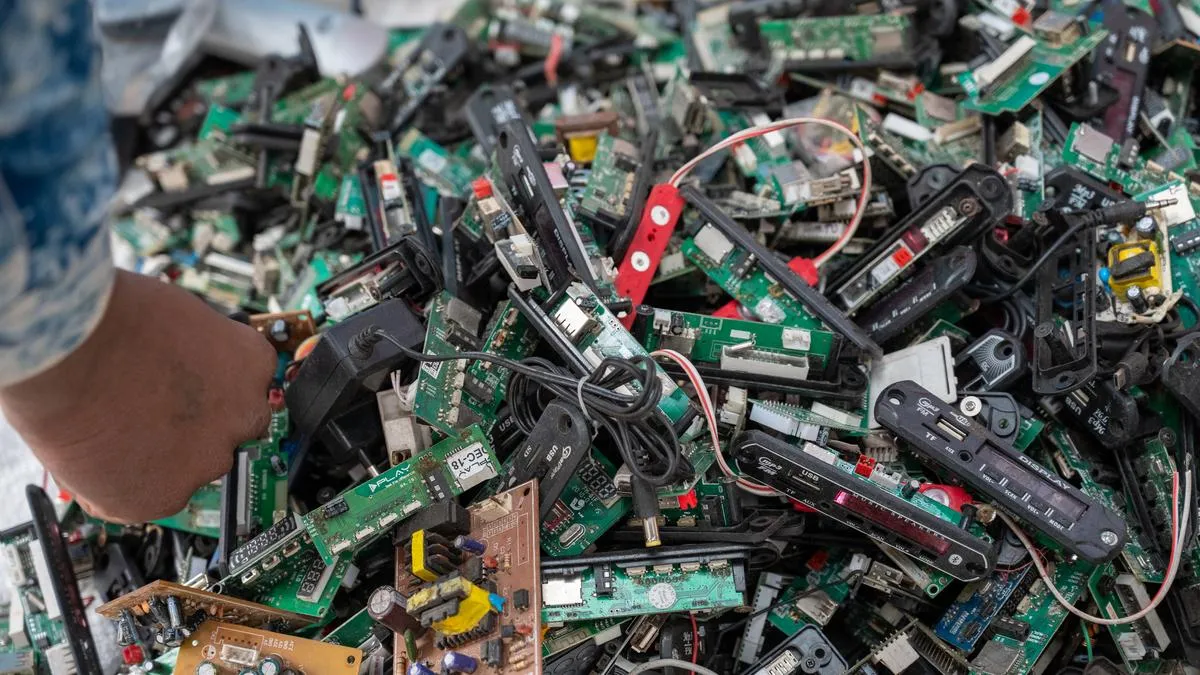
Every few years, governments and companies replace thousands of computers, servers, networking devices and storage systems. What looks like a routine technology refresh is, in reality, the creation of a valuable mine. Discarded IT equipment contains copper, aluminium, gold, silver, palladium and critical minerals that the world is scrambling to secure. As economies digitise, these growing mountains of electronic waste are among the largest untapped sources of strategic raw materials — and, when poorly handled, hazardous waste. This is the promise of urban mining: recovering valuable materials from products that have already served their purpose, instead of digging deeper into the earth. It begins with recognising that yesterday’s electronics can become tomorrow’s resource base. The economics, however, are not always straightforward.
Safely recovering materials from electronic waste requires sophisticated technology, secure data destruction, environmentally compliant processing and traceable supply chains, with collection and segregation adding to the cost. Yet the benefits go beyond recovered metals: less virgin mining, stronger domestic supplies of critical materials, lower import dependence and responsible handling of hazardous components.
This helps explain why advanced recycling has yet to become the default choice in India. Procurement in both the public and private sectors often rewards the lowest visible cost: maximise resale value, minimise processing cost. The strategic value of recovering critical minerals, ensuring secure data-destruction, environmental benefits and strengthening domestic industrial capability rarely appears on the invoice.
Delhi among 17 States, Union Territories without e-waste recycling facility: CPCB to NGT