Nearly 80 people have been rescued, and two people confirmed dead, after flood hit national park
A US border patrol technical search team is expected to deploy in the Grand Canyon, as authorities continue the search for at least one missing person after a fatal flash flood washed through the national park over the weekend.
Authorities are rushing to scour the area as more heavy rain and thunderstorms in weather forecasts threaten additional debris flows, flash floods or rock falls.
Nearly 80 people have been rescued since a torrent of water swept through the national park on Saturday, and two people have been confirmed dead. They were identified by their families as chiropractor John Giusti, 46, and martial arts studio owner Brent Rosenkranz, 42, who had been hiking together.
A third friend who had joined the trip, 53-year-old pilot Timothy Smith, was still missing. The men had been camping at the bottom of the Grand Canyon since Friday.
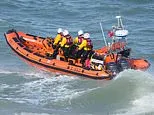
Searchers used night vision and other equipment to find people who needed rescuing during the deluge, incident commander Dave Black said during a Monday evening press conference.
Rangers referred to the park’s permit system and checked vehicle license plates to track the number of missing people. “As of right now, they have no reason to believe, from the tips we’ve been through so far, that there’s anybody besides the one” missing person, Black said.
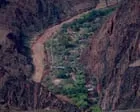
The flood happened deep in the canyon on Bright Angel Creek, which flows into the Colorado River near Phantom Ranch. The fabled lodge has been a beacon for half-collapsed, exhausted and overheated hikers for more than a century.
Hiker Daniel Evans said it had rained several times before the worst 30-minute downpour Saturday afternoon. He had been planning to rest through the hot day and spend the night near the hard-hit Bright Angel campground area.
Earlier, rangers told him it looked to be safe. Then, as the rain poured, they told him it was time to go.
Flash floods are not uncommon in the Grand Canyon. In summer, during the monsoon season, clear days can quickly give way to thunderstorms and heavy downpours. The region’s dry landscape can absorb only a limited amount of water. What might be a normal summer downpour somewhere else can become a charging wall of water in a rocky canyon.
But this weekend’s flood was probably intensified by a confluence of climate factors, including drought, wildfire scarring and warming temperatures in the Pacific Ocean that can supercharge storms.
This year’s monsoon is especially intense because there is a higher amount of water vapor in the atmosphere, mostly because of a strong El Niño, said A Park Williams, a hydroclimatologist at the University of California, Los Angeles. El Niño is part of a natural cycle, but models show there is a strong likelihood this will become one of the strongest on record.
El Niño layers on top of spikes in temperature fueled by the climate crisis. Scientists have long warned that the climate crisis will create stronger extremes and destructive shifts between wet and dry conditions. As temperatures continue to climb, extreme events will not just increase – they will become more likely to overlap.
Saturday’s strong storm also hit part of the burn scar of the Dragon Bravo wildfire, a destructive and fast-moving blaze that swept across nearly 150,000 acres (60,700 hectares) and consumed the historic Grand Canyon Lodge in July 2025.