Published: 11:30 BST, 1 September 2026 | Updated: 11:45 BST, 1 September 2026
With two-thirds of Britons now taking vitamin supplements in a bid to boost their health, it is little surprise that more options than ever are springing up on shelves.
Where once there was just a chalky tablet helped down with a glass of water, there are now gummies, gels and even sprays offering new ways to get your daily dose.
Yet one emerging trend is proving to be among the priciest of the lot: vitamin sachets.
These little packets have been popping up in health food shops, gyms and supermarkets, promising everything from more energy to stronger immunity and glowing skin.
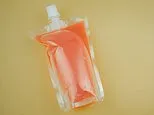
Some contain powder, while others are filled with pre-mixed liquid or gel, designed to be squeezed straight into the mouth or added to a drink – often in tempting flavours such as berry, citrus and tropical fruit.
And a Daily Mail analysis has found that a single dose sachet can cost up to 16 times as much as its tablet equivalent.
It comes amid a growing market for vitamins and supplements, an industry believed to be worth around £1billion in the UK alone – a figure expected to continue rising.
So, with wellness companies cashing in, are these glossy sachets really any better for you than a standard pill?
Around two-thirds of Britons now take vitamin supplements in a bid to boost their health
Before getting into the ins and outs of how vitamin sachets and pills compare, it is important to note that, for most people, supplements are not necessary.
The NHS says most people should be able to get all the nutrients they need by eating a varied and balanced diet – though some may require supplements, if, for example, they have deficiencies.
Worryingly, a survey by Bupa this week found nearly half of UK adults are spending £120 a year on supplements advertised by social media influencers.
Commenting on the findings, Professor Ramani Moonesinghe, deputy national medical director at NHS England, said: 'Unqualified wellness influencers should not be setting the agenda for people's health.
'There is a lot of misinformation online, with supplements being promoted as essential to good health or as treatments for specific conditions without good evidence.