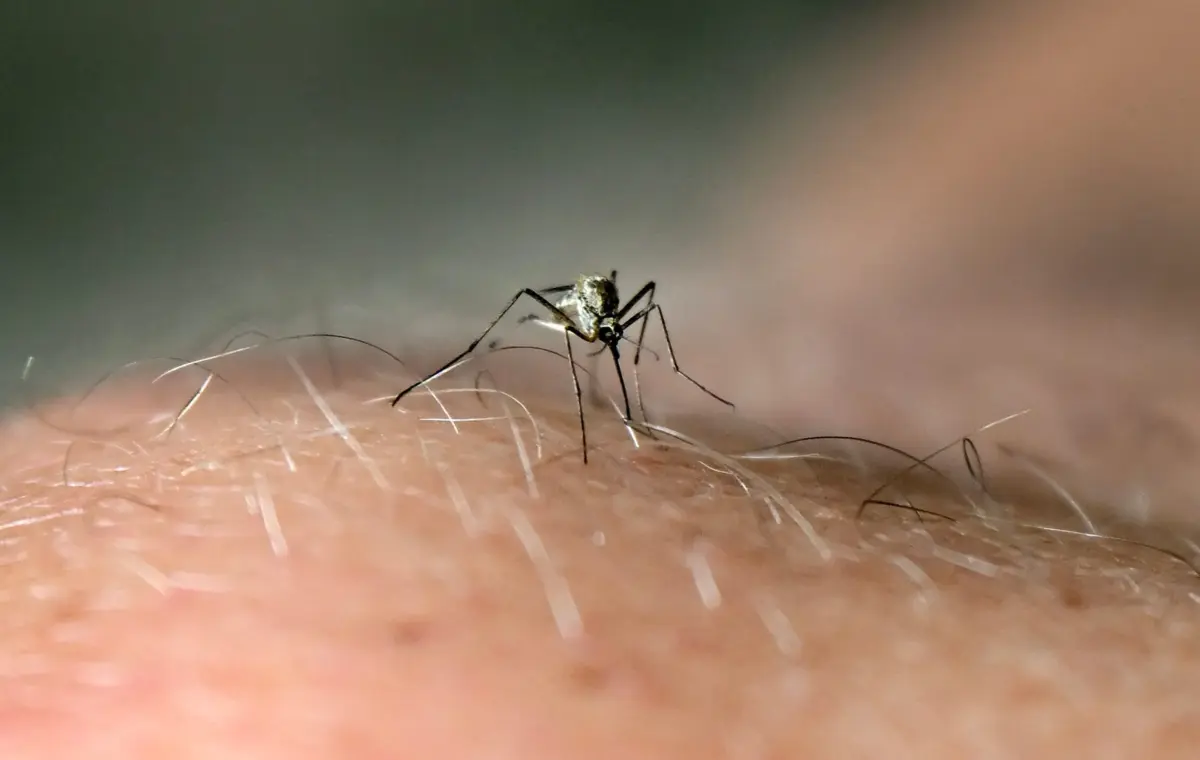
With less than month left of summer, many Illinois residents are likely wondering when we'll get to stop worrying about mosquito bites.
The pests serve as not only an itchy annoyance during the sweaty months, but also carry the risk of dangerous diseases like West Nile virus. The virus was detected in more than 100 Illinois residents last year, resulting in 10 deaths, according to the Illinois Department of Public Health.
So is the end of mosquito season close, or do we have to keep stocking up on bug spray?
The last day of summer lands on Monday, Sept. 21, this year.
Mosquito season typically begins when temperatures are consistently above 50 degrees, lasting from April through September in Illinois, according to pest control company Terminix.
The peak months for mosquito-borne illnesses in the U.S. are August and September, as mosquitoes thrive in hot, humid weather and have had time to grow and transmit viruses, according to NBC News.
More: Hikers, get these mosquito-repellent bracelets for under $10 at Amazon
Mosquitoes are most active when the weather is above 70 degrees with moderate humidity, according to Terminix.
Once temperatures drop and stay below 50 degrees, mosquitoes find shelter, with mosquito season typically ending when the first hard frost occurs in fall, according to the University of Illinois Urbana-Champaign.
While adults die in cold weather, their eggs can survive freezing temperatures until the return of spring.
A hard frost, or hard freeze, occurs when air temperatures sink below 28 degrees for four or more consecutive hours, according to the Old Farmer's Almanac.
The Illinois State Climatologist found the first hard frost occurred before the following dates in 9 out of 10 years between 1991 and 2020:
The first hard frost of fall could occur as soon as early October, however, according to the organization.
There are two types of mosquitoes native to Illinois – floodwater and vector mosquitoes, according to the IDPH.
Floodwater mosquitoes deposit their eggs singly in low-lying areas that will be flooded later and emerge in large numbers about two weeks after heavy rains. The inland floodwater mosquito is most common and typically travels 10 or more miles from where it hatched.