Updated August 5, 2026 — 2:30pm,first published 1:22pm
You have reached your maximum number of saved items.
The NSW government will overhaul its response to mental health emergencies and strengthen support for those with complex mental illnesses after it backed all recommendations from the coronial inquest into the Bondi Junction Westfield stabbing attack.
The Minns government announced on Wednesday it had accepted 11 of the 13 recommendations from the coroner in full. It offered in-principle support to the remaining two, including the provision of specialised mental health accommodation.
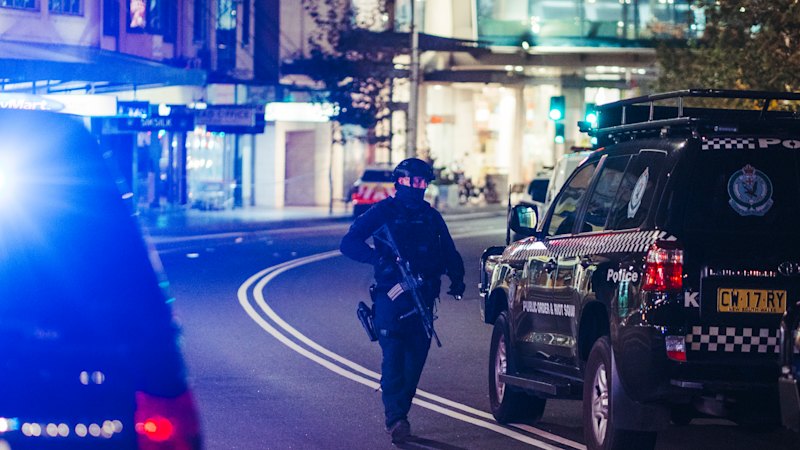
Queenslander Joel Cauchi, 40, was shot dead by NSW Police Inspector Amy Scott after he stabbed 16 people at Bondi Junction Westfield on the afternoon of April 13, 2024.
Six people died of their injuries: Dawn Singleton, 25; Ashlee Good, 38; Jade Young, 47; Cheng Yixuan, 27; Pikria Darchia, 55; and Faraz Tahir, 30. A further 10 people were injured but survived.
NSW Health Minister Ryan Park said the mental health reforms would “help people access the right care at the right time”.
“The government’s response continues our work to strengthen mental health services, improve access to care, and ensure people with severe and complex mental illness receive the support they need earlier and closer to home,” he said.
The inquest into the Bondi Junction Westfield stabbing attack urged the government to house and care for the mentally unwell, referred the killer’s psychiatrist to the watchdog over treatment “failures”, and recommended bravery awards for the heroism displayed by police, victims and witnesses to the tragedy.
“His attacks were a quintessential example of an active armed offender – rapid, unpredictable and fatal within a very short period of time,” NSW Coroner Teresa O’Sullivan said, handing down her findings, with 23 recommendations, in February.
The families of those who died spoke outside the Coroners Court in Sydney of the voids that remained in their lives, while experts called for urgent changes to care and support for people with mental illness.
The government stopped short of adopting a recommendation that proposed specialised short-term accommodation for those confronting mental health issues and homelessness, opting for an alternative approach to boosting housing support involving the agencies Homes NSW and NSW Health.
A recommendation to make permanent the state’s “wanding” trial – allowing police special powers to search for knives and other weapons at shopping centres, transport hubs and sports grounds – was embraced by the government. It echoed the results of a statutory review into the powers, granted through legislation, that passed parliament two months after the attack.
The government declined to fully endorse the inquest’s recommendations regarding a review of the NSW Ambulance’s major incident response plan. The coroner had called for the review to consider command structure within NSW Ambulance, and the adequacy of training structures for senior members of the force. However, the government said the review was already in its final stages.
Among the other coronial recommendations accepted by the government were a public safety campaign to educate those in the retail sector, including centre owners, operators and staff about how to prepare for, and respond to, future incidents. Measures to improve emergency service interoperability, communications and training, were also accepted.