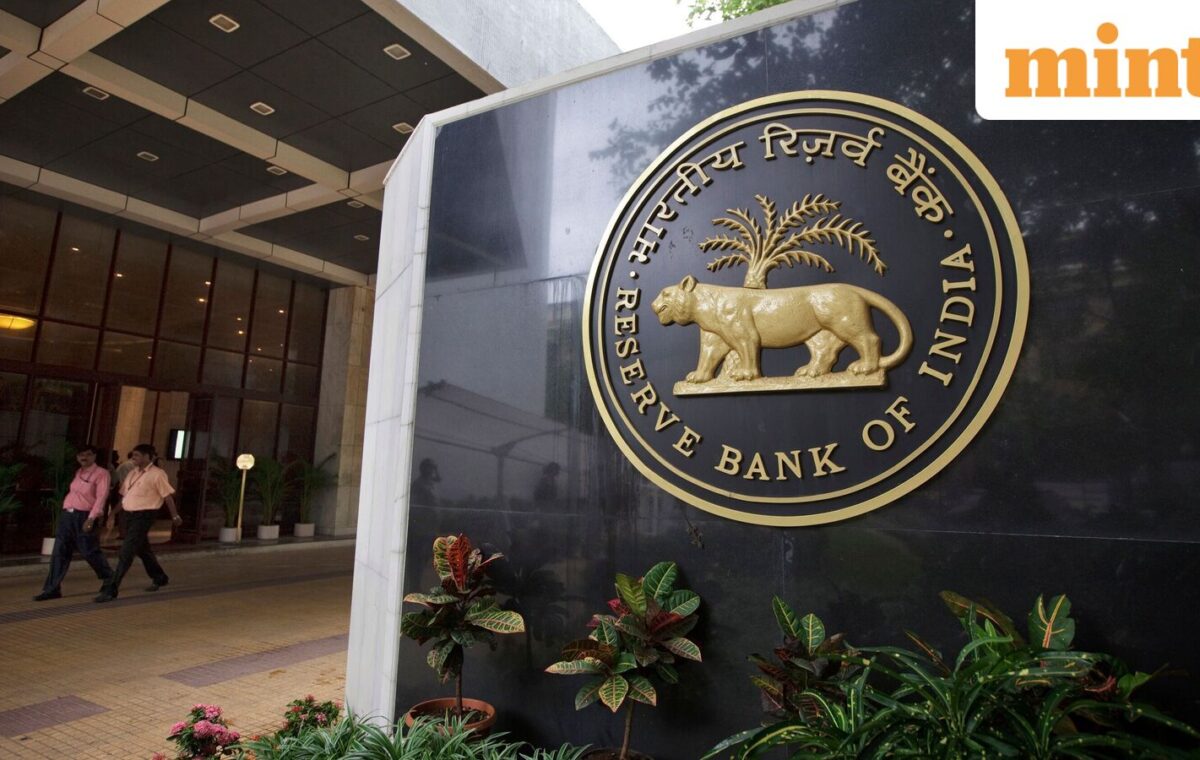
Mumbai: As the country's banking sector rapidly adopts artificial intelligence (AI), the Reserve Bank of India (RBI) is brainstorming whether it should bring in comprehensive guidelines on use of the technology; and if yes, what all should the norms cover. The discussions come as use of AI by banks and non-banks stretch beyond the ambit of RBI's current narrow, issue-specific norms.
According to a person aware of the discussions, the proposed guidelines will see most departments within RBI working in sync with the department of regulation. The idea is to have in one place everything that entities regulated by RBI need to follow on the use of AI in business, the person said.
“The RBI has released a draft framework for model risk management in June, but the current discussions are on whether the sector needs more norms around use of AI,” said the person cited above.
In the draft circular of June, RBI said banks and non-banks are increasingly using models to transform their business processes and improve customer services, among others. It said this reliance has grown rapidly over the past few years and warned that such usage of models usually comes with additional risks.
Models here refers to systems—internal or from third-parties—that use data to analyze, interpret relationships and produce results that are used for making decisions.
In the June draft, RBI said regulated entities should establish robust human oversight for AI models and override suspension or deactivation mechanisms, including kill-switch arrangements.
“RBI is also discussing what broader role it can play when it comes to innovation and development of AI. These are some of the issues being discussed and would require interdepartmental coordination within the central bank,” said the person cited above.
An email sent to RBI on the issue remained unanswered.
Experts said RBI’s plan for broader AI guidelines takes off from the report of the committee on Framework for Responsible and Ethical Enablement of Artificial Intelligence or FREE-AI. The committee had submitted the report to the central bank in August 2025. Its suggestions included the development of indigenous financial sector-specific AI models and an AI policy for regulatory guidance.
“While the FREE-AI committee report lays down the basic principles of AI usage, a broader guideline applicable to regulated entities would give lenders more clarity,” said Vivek Iyer, partner and regulatory ecosystem leader at Grant Thornton Bharat.
Iyer said the guidelines are likely to specify guardrails that the industry must have when it uses AI and is a step-up from the committee report. “I believe this will benefit the industry in terms of telling them what is allowed and what isn’t,” he said.
Parijat Garg, an independent digital lending and fintech expert, sees the framework around AI model training and safeguards. “To my mind, it is likely to have regulations around how banks, non-banks are using customer data to train AI models, where the data is residing—in local servers of the AI companies or abroad—and what safeguards these lenders have while using AI.”
He said RBI could also look at use cases that banks and NBFCs are talking about for AI. “For instance, if an org would use AI for decisioning or regulatory reporting, RBI will want to be extra careful. In case the AI hallucinates while making decisions or reporting numbers or for compliance use cases, it will lead to consumer issues and even sectoral risks.”
‘Hallucination’ refers to AI making up information and presenting it as facts. Among other sectors, consulting and legal have recently faced major setbacks due to such hallucinations.
India's lenders, on their part, are gung-ho on the use of AI in their respective businesses. Consumer financier Bajaj Finance, for instance, has set up AI-based cameras in over 500 stores, which will be able to figure out when an existing customer walks in, allowing the lender to pitch personalized offers. It now plans to expand this to 3,000 stores by March 2027.