Published: 04:58 BST, 5 August 2026 | Updated: 05:05 BST, 5 August 2026
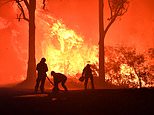
Australians are being warned to brace for a hotter, drier summer as the Super El Niño raises the risk of bushfires and drought.
Super El Niño was declared by the Bureau of Meteorology in June following four months of persistent warming in the tropical Pacific Ocean.
The agency warned it could become one of the strongest weather events seen since records began in 1950 and that Australia could experience limited rainfall and hotter temperatures.
'The latest seasonal outlooks from the bureau predict below-average rainfall across most of the eastern half of Australia between August and October,' Weatherzone forecaster Ben Domensino said.
'Temperatures are also predicted to be higher than normal across most of the country during this period.'
Mr Domensino said that it remains difficult to predict exactly how such an unusually powerful El Niño will affect Australia.
'Past El Niño events have shown that the strength of El Niño does not necessarily determine the strength of its impacts. However, there is no precedent to which we can compare an El Niño of this magnitude,' Mr Domensino said.
'We will be wading into uncharted climate territory later this year. Given its current and projected strength, it will likely persist into early 2027.'
A 'very strong' El Niño occurs when sea surface temperatures in the tropical Pacific are at least two degrees above average.
Australia is facing a scorching summer, with a strengthening El Niño set to fuel hotter and drier conditions
The Bureau of Meteorology said ocean temperatures in a key part of the Pacific Ocean have reached their highest level in almost a decade.
Ocean temperatures in the region that drives El Niño are now just over 2C above average, the strongest reading since 2016.
Weather expert Ben Domensino warned temperatures could climb even higher by November, bringing hotter, drier conditions and an increased bushfire risk across Australia later this year.
AFAC chief executive Rob Webb urged Australians not to become complacent.