Account subscription benefits alongside Premium Stories, Editorials,
Opinions and more. Unlock these with Subscription
The View From India
Looking at World Affairs from the Indian perspective.
First Day First Show
News and reviews from the world of cinema and streaming.
Today's Cache
Your download of the top 5 technology stories of the day.
Science For All
The weekly newsletter from science writers takes the jargon out of science and puts the fun in!
Data Point
Decoding the headlines with facts, figures, and numbers
THEdge
At the cutting edge of education and careers
Health Matters
Ramya Kannan writes to you on getting to good health, and staying there
Gender Agenda
Stories from beyond the binary.
The Hindu On Books
Books of the week, reviews, excerpts, new titles and features.
Published – August 29, 2026 08:00 am IST – BENGALURU
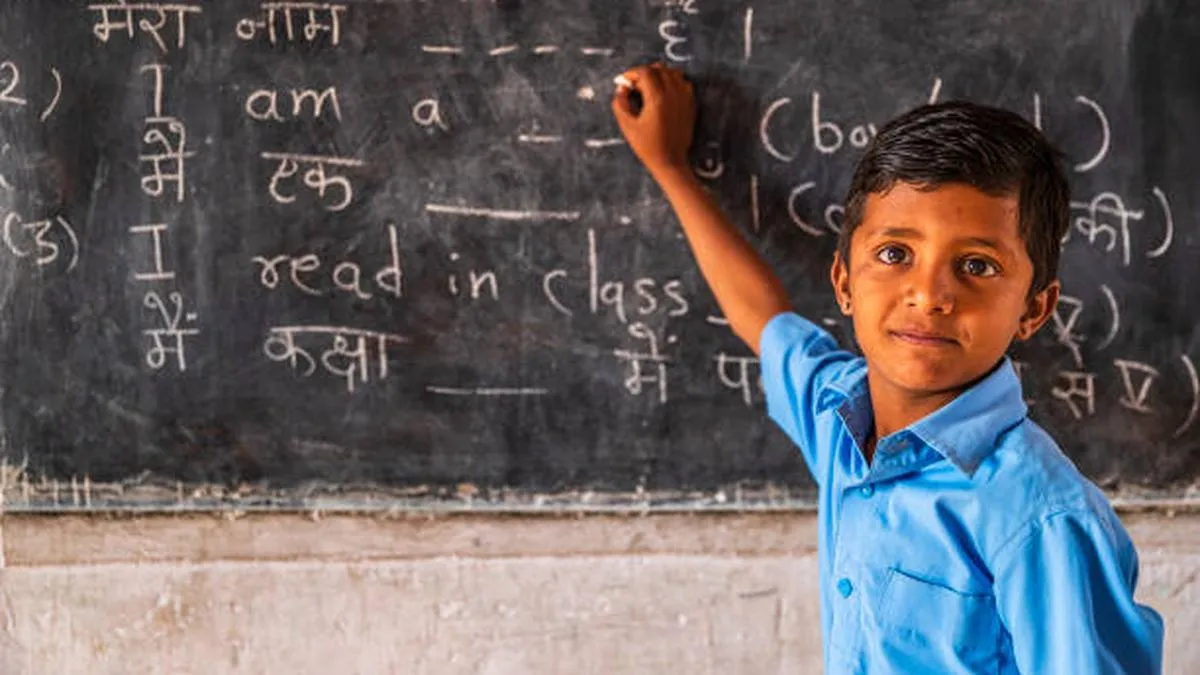
Language is adapting to climate change. Farmers, fishers and forest communities described newly emerging environmental phenomena. "Bina nishaan," for instance, connotes unannounced rains.
| Photo Credit: Getty Images
There is a word in the Nicobarese language that translates into “a calm sea”. Tamra, today, is however only used by the islands’ elders and is at risk of fading away from their language forever.
As seasons go awry, species go extinct, and livelihoods change, words and phrases in several Indian languages are at the precipice of vanishing altogether, according to a new analysis.
From Marwari to Maithili, Tulu to Tamil, there are words — evocative, nuanced, onomatopoeic, with much exactitude — that describe everything from wild birds and morphing skies to livelihoods.