India’s food regulator FSSAI has proposed red-coloured hexagonal warning labels on packaged foods high in any two or more of saturated fat, sugar or salt, reversing its earlier position amid pressure from health activists and the Supreme Court. (A representative image)
India’s food regulator has proposed front-of-pack warning labels on packaged food and drinks, reversing its position following growing public anger about a lack of strict labels to highlight high sugar, fat or salt in items.
The move is a major setback for food companies in India’s over $100 billion market where Coca-Cola and industry groups representing Nestle and PepsiCo have long opposed such labels, saying they are confusing. Activists and the Supreme Court have repeatedly called for them, citing problems like obesity.
The Food Safety and Standards Authority of India has proposed a red-coloured hexagonal shape for food products which are high in any two or more nutrients – saturated fat, sugar or salt – it said in a Supreme Court filing on Friday, seen by Reuters.
Prime Minister Narendra Modi’s government has for years tried to implement some form of warning labels, but dropped a proposal this year after companies privately opposed the measures, Reuters reported earlier this week. Since the story was published, consumers and health experts have expressed their anger on social media, as companies like Coca-Cola and Nestle have voluntarily used similar labels in many European markets for years.
“The warning label shall indicate the applicable declaration, such as ‘HIGH FAT’, ‘HIGH SUGAR’, ‘HIGH SALT’ and/or ‘HIGHLY SWEETENED BEVERAGE’ … to enable consumers to readily identify products high in the specified nutrients,” FSSAI said in the filing on Friday.
The mechanism will “facilitate informed food choices, particularly in relation to children and other vulnerable groups of the population,” it added.
Reuters is first to report the court filing, which has not been made public. The submission was made in the Supreme Court as it was hearing challenges from health activists calling for long-delayed warning labels, and had told the government earlier this month to act fast.
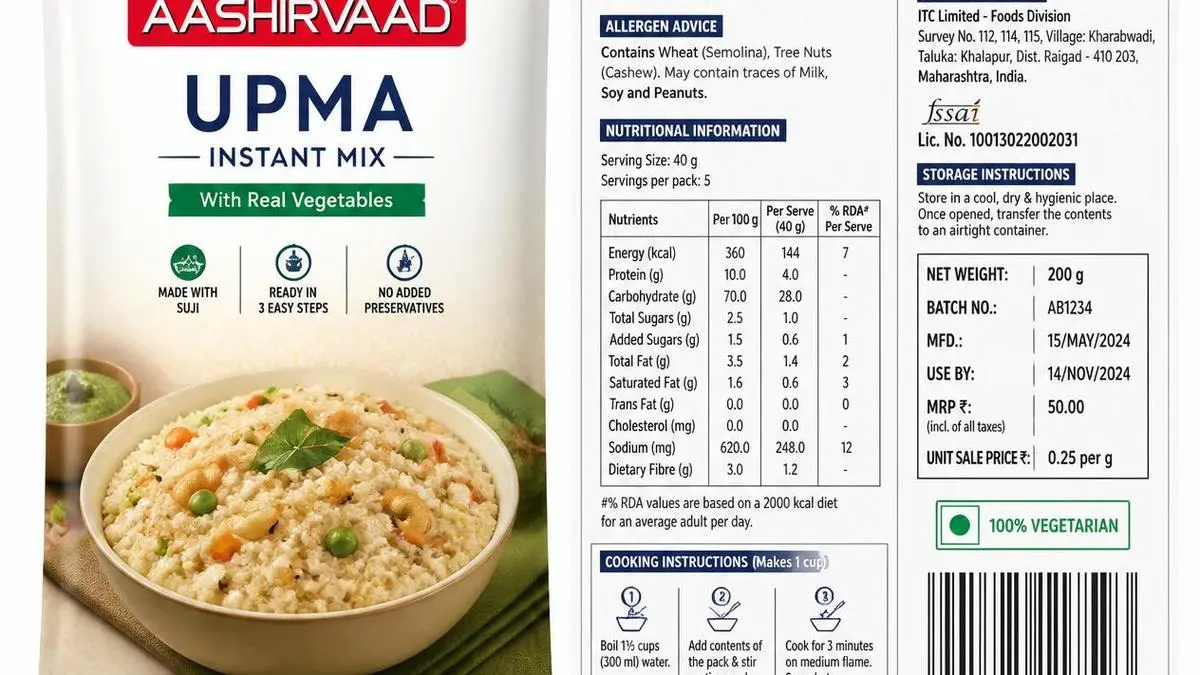
Currently, producers are required only to list ingredients and basic nutritional information on the back of packaging.
“We are considering the government proposal and our experts are going to review it,” said Rajiv Shankar Dvivedi, the lead counsel for non-profit “3S And Our Health” which had challenged the government in the Supreme Court for lack of warning labels.
During a tense March meeting, industry executives argued that such warning labels were confusing and ineffective, and urged a focus on encouraging portion control, according to recordings reported by Reuters this week.
It is “very simplistic” to believe that a consumer who doesn’t already read ingredient lists “will be so informed by seeing a symbol or an icon on the label” that their diet significantly improves, senior Coca-Cola India executive Mili Bhattacharya said at the March 19 meeting.
She added that warning labels were pointless because they would not prevent consumers from otherwise having sugary and salty foods. Indian doctors had done a good job teaching their patients what food should be avoided, she said.
The FSSAI buckled, telling the Supreme Court in August that it was “difficult” to match international standards on packaging, echoing the industry position. The court had earlier said India can consider Israel-style labelling, where a red label is applied even if one among salt, sugar or fat is high.
The Supreme Court rapped the government this month, saying “the world should know that India is very much concerned about the overall health of its citizens”, higlighting high rates of obesity in India.
Source: Read the original article on www.thehindubusinessline.com
Additional coverage from www.livemint.com:
India’s food safety regulator has proposed introducing warning labels on the front of packaged food and beverage products, marking a shift in its earlier stance amid increasing calls for clearer information on products containing high levels of sugar, salt and fat, reported Reuters.
The proposal could pose a significant challenge for food and beverage companies operating in India’s more than $100 billion market, the report Major players, along with industry bodies representing companies including Nestle and PepsiCo, have previously opposed front-of-pack warnings, stating that such labels could confuse consumers.
Consumer advocates and the Supreme Court, however, have repeatedly pushed for stronger warning labels, pointing to growing health concerns such as obesity.
The Food Safety and Standards Authority of India (FSSAI) has proposed using a red hexagonal warning label on packaged food products that contain high levels of at least two of three nutrients — saturated fat, sugar or salt. The proposal was outlined in a filing submitted to the Supreme Court on Friday and reviewed by Reuters.
Prime Minister Narendra Modi's government has for years tried to implement some form of warning labels, but dropped a proposal this year after companies privately opposed the measures, Reuters reported earlier this week. Since the story was published, consumers and health experts have expressed their anger on social media, as companies like Nestle have voluntarily used similar labels in many European markets for years.
"The warning label shall indicate the applicable declaration, such as 'HIGH FAT', 'HIGH SUGAR', 'HIGH SALT' and/or 'HIGHLY SWEETENED BEVERAGE' … to enable consumers to readily identify products high in the specified nutrients," FSSAI said in the filing on Friday.
The mechanism will "facilitate informed food choices, particularly in relation to children and other vulnerable groups of the population," it added.
Reuters is first to report the court filing, which has not been made public. The submission was made in the Supreme Court as it was hearing challenges from health activists calling for long-delayed warning labels, and had told the government earlier this month to act fast.
Currently, producers are required only to list ingredients and basic nutritional information on the back of packaging.
"We are considering the government proposal and our experts are going to review it," said Rajiv Shankar Dvivedi, the lead counsel for non-profit "3S And Our Health" which had challenged the government in the Supreme Court for lack of warning labels.
During a tense March meeting, industry executives argued that such warning labels were confusing and ineffective, and urged a focus on encouraging portion control, according to recordings reported by Reuters this week.
It is "very simplistic" to believe that a consumer who doesn’t already read ingredient lists "will be so informed by seeing a symbol or an icon on the label" that their diet significantly improves, senior Coca-Cola India executive Mili Bhattacharya said at the March 19 meeting.
She added that warning labels were pointless because they would not prevent consumers from otherwise having sugary and salty foods. Indian doctors had done a good job teaching their patients what food should be avoided, she said.
The FSSAI had earlier told the Supreme Court in August that it was “difficult” to align India’s packaging requirements with international standards, a stance that reflected the food industry’s position. The court had previously suggested that India could consider an Israel-like labelling system, under which a red warning is displayed if a product is high in even one of the three nutrients — salt, sugar or fat.
The Supreme Court slammed the government this month, stressing that "the world should know that India is very much concerned about the overall health of its citizens", while pointing to the country’s rising obesity levels.
🟢 PROS / ADVANTAGES
- Consumer advocates and the Supreme Court, however, have repeatedly pushed for stronger warning labels, pointing to growing health concerns such as obesity.
🔴 CONS / RISKS
- Consumer advocates and the Supreme Court, however, have repeatedly pushed for stronger warning labels, pointing to growing health concerns such as obesity.