ScamSkeptic founder Matt Sanner discusses the growing urgency of protecting vulnerable seniors from AI-powered scams. He shares tips for recognizing high-pressure phone tactics and helping parents avoid fraud on ‘America’s Newsroom.’
Tap to pay has become one of my favorite modern conveniences. I use it all the time. In fact, I rarely need to pull out a physical wallet anymore because contactless payments are accepted in so many places.
There's a security advantage, too. Mobile wallets can use tokenization or virtual card numbers, so your actual card number does not need to pass directly to a merchant during a transaction.
That makes what's happening with a tap-to-pay charity scam especially frustrating. Criminals are taking a technology designed to make paying easier and using a moment of distraction to turn a small donation into a potentially massive charge.
You may think you're giving $5 or $20 to a good cause. Then you check your account and discover hundreds or even thousands of dollars are gone. Here's how the scam works and what you can do to protect your money.
APPLE PAY TEXT SCAM THREATENS $8,250 LOSS IN 35 MINUTES
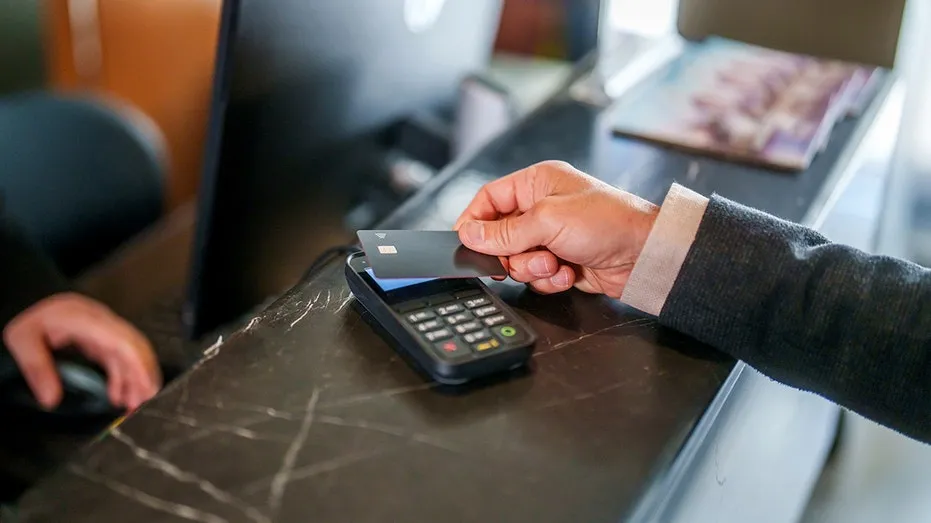
Scammers are using tap-to-pay charity requests to trick people into authorizing charges far larger than the donations they intended to make. (ZeynepKaya/Getty Images)
New! Free live CyberGuy class: Protect Your Money From Today’s Biggest Threats
Join us Saturday, Aug. 29, at 10 a.m. ET for a free CyberGuy LIVE class covering five simple steps to help defend yourself against AI scams, fraud, identity theft and financial hacks. Kurt "CyberGuy" Knutsson will explain how to set up bank alerts, strengthen your account logins, protect your phone number, freeze your credit and help secure your retirement savings against unauthorized transfers. No technical experience is needed. You’ll also receive our financial protection checklist, and every registrant will get a link to the class recording afterward.
Reserve your free spot today at CyberGuyLive.com.
The setup can feel completely ordinary. You're leaving a store, walking through a busy shopping area or heading through a public event. Someone approaches you and claims to be raising money for a youth group, school fundraiser or another cause. They ask for a small donation. Maybe you agree to $5. Maybe you offer $20. Then they tell you they can accept tap to pay. That's when you need to pay very close attention.
One version of the scam involves the solicitor entering a much larger amount into a smartphone or payment reader before you tap your phone or card. You think you're approving $20. The payment screen may actually say $2,000. If you tap without carefully checking that amount, you could authorize the larger transaction. Brentwood police warned in January 2026 about a version involving people approaching shoppers outside stores for small donations. Police said victims could be charged significantly more than expected after using tap to pay, Square or Cash App.
The numbers can get ugly fast. The Washington state attorney general issued a warning after receiving reports involving solicitors near the Seattle waterfront. In one case, a person agreed to donate $15 and later discovered a $4,800 charge. Another person agreed to give $20 and later found a charge of nearly $5,000. Those examples show why you should never treat the final tap as a formality.
There's another risk worth keeping in mind. If someone claims the transaction failed and asks to take your phone to help, end the transaction. A scammer does not need to take your phone for the inflated-payment scheme to work. However, handing over an unlocked phone creates a much bigger security problem. Depending on your settings, that person may be able to reach email, messages, payment apps or financial information. I would never hand an unlocked phone to a stranger during any financial transaction.
Tap to pay itself remains a secure way to make legitimate purchases. The weakness here involves what you approve. If a scammer puts $2,000 on the payment screen and you authenticate that transaction, the payment system sees an approved purchase.