Overheating and A/C Issues
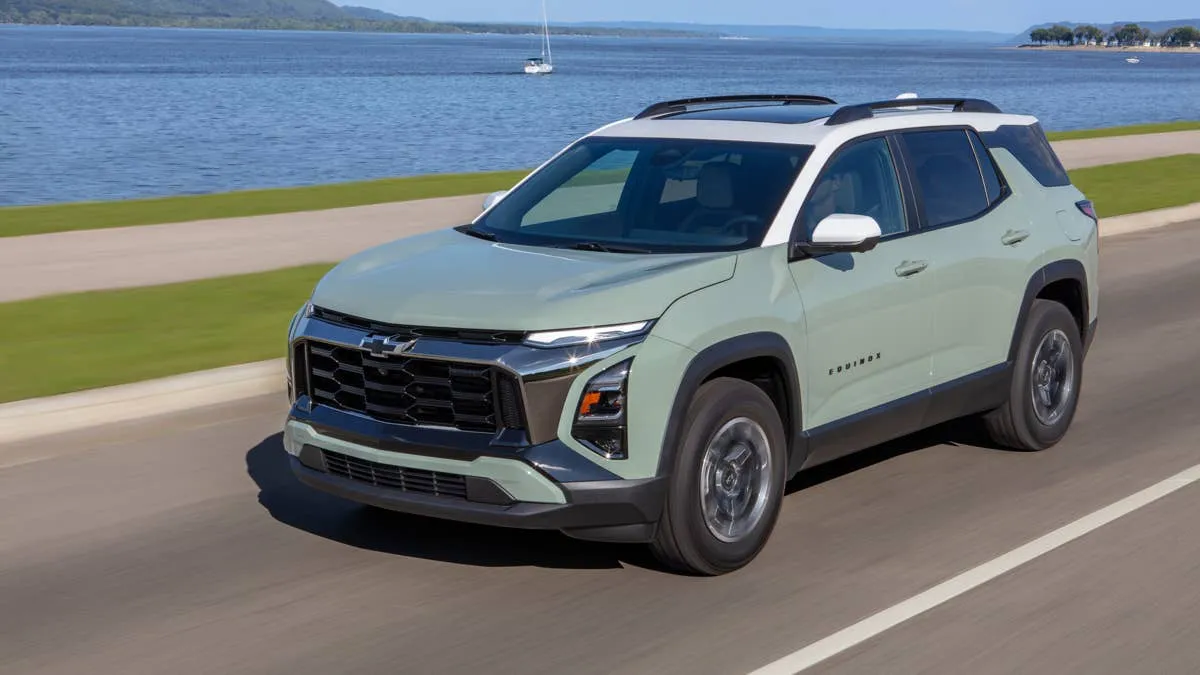
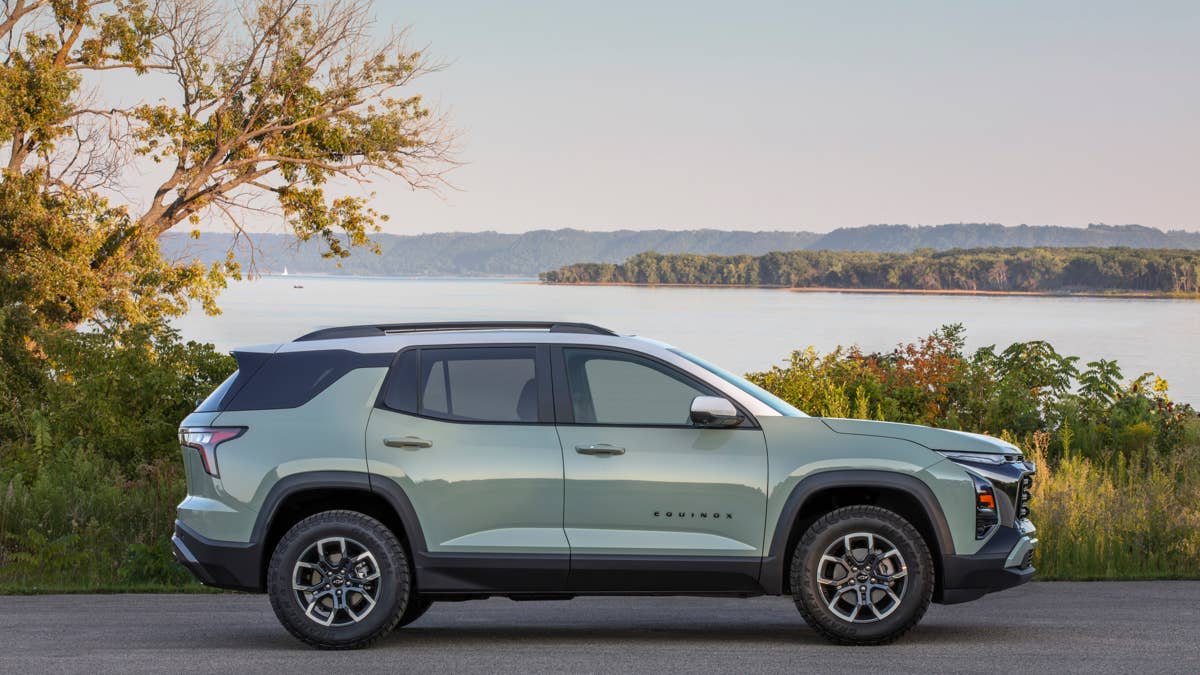
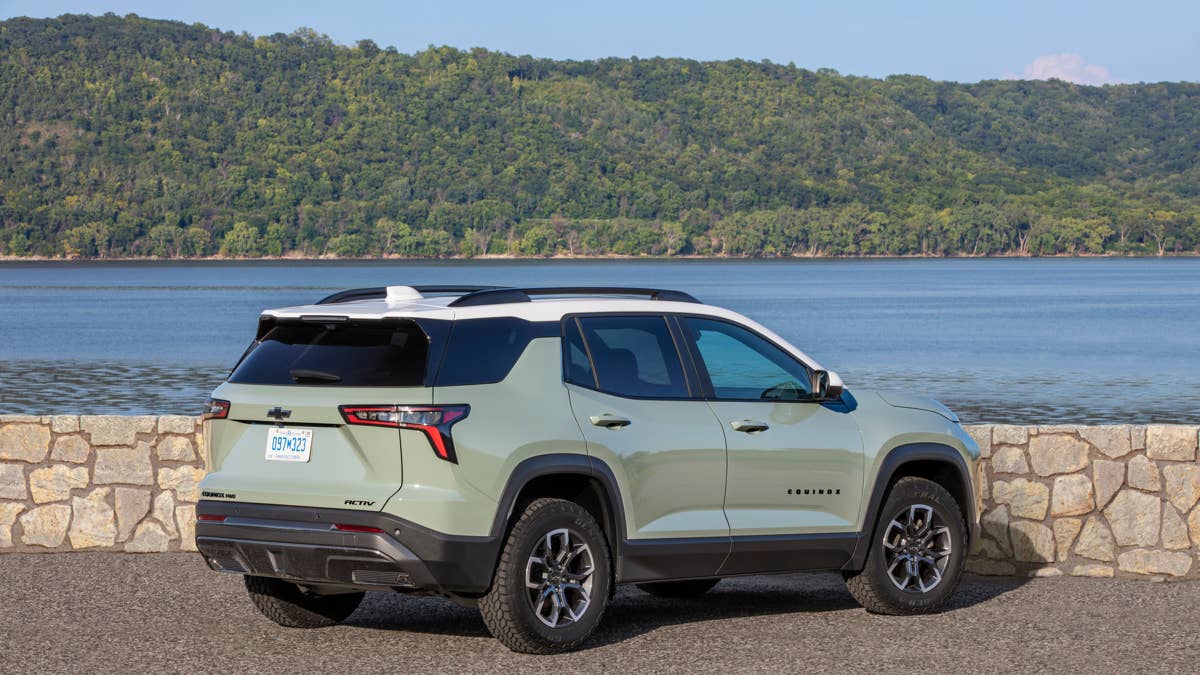
There are reports that some newer Chevrolet Equinoxes are overheating and experiencing air conditioning problems. The 2024 to 2026 model years of the crossover, equipped with the 1.5-liter turbocharged four-cylinder GM LSD engine, are affected and may throw diagnostic codes in addition to getting too hot to handle.
General Motors already issued a service bulletin addressing the issue, stating that the models equipped with the turbocharged 1.5-liter are prone to developing cooling and A/C issues. The bulletin also singles out the diagnostic code: P0494, which is ECU talk for “cooling fan speed too low,” or however you pronounce that in ‘1s’ and ‘0s.’
Chevrolet
The Fix:
According to GM, the fix for this issue on the LSD engine is to replace the G10 cooling fan motor with the latest service part. It’s a relatively simple fix that addresses a serious issue and an uncomfortable inconvenience; a double whammy, if you will.
The fans in a cooling system provide airflow to the radiator and condenser. The fan serves two parts in the system; that’s why the issues are interconnected. In the case of the Equinox’s cooling system, the fan is controlled by the ECU to blast air as fast as it can when it’s needed. Fan speed is determined by system temperatures and A/C system pressure. When it fails, the engine won’t receive the needed airflow to cool down, which could lead to engine overheating and the A/C system blowing hot air.
The problem with overheating is that it could lead to several issues down the line related to engine durability. Constant high heat above what the engine components can handle can lead to a blown motor, which is not only a major inconvenience; it’s also a potential lawsuit risk, as history has shown.
Chevrolet
No Recall Yet
So far, no recall has been issued by GM. Perhaps this is a case that doesn’t require the NHTSA’s official seal of disapproval. For now, GM technicians are advised to undergo the engine coolant fan replacement procedure, referenced in Bulletin 26-NA-210.
GM Authority was the source for this one, and reading into it, their article reads more like a useful piece of advice than a call to recall. Still, considering how an overheating problem brought on by a faulty part can lead to a class-action lawsuit, maybe GM should watch this closely.
Chevrolet