Updated August 26, 2026 — 10:03am,first published August 26, 2026 — 5:24am
You have reached your maximum number of saved items.
The Australian sharemarket is set to open higher again amid another flurry of corporate results after a solid session on Wall Street, where falling oil prices eased inflation worries, pushed bond yields lower and supported stock prices.
ASX futures were pointing to a rise of 29 points, or 0.3 per cent, at the open. The ASX added 0.7 per cent on Tuesday. Woolworths, Nine Entertainment and Flight Centre were among companies reporting their latest results, while the latest inflation figures will be released at 11.30am AEST. The Australian dollar was trading at US71.66¢.
Woolworths said before the start of trading its winter sales have been boosted by its wildly popular Ooshies collectables campaign, extending its growth after a 4.6 per cent increase in Australian food sales to $53.9 billion in the 2026 financial year. Net profits rose 18.1 per cent to $1.14 billion, allowing the nation’s biggest grocer to raise its final payout to shareholders to 52¢ a year, up from 45¢ a year ago. In the first eight weeks of the new financial year started on July 1, food sales at its Australian supermarkets jumped 7.6 per cent, with the Disney plastic figurines expected to have generated up to 2 percentage points of that growth.
Meanwhile, travel agent Flight Centre said that the conflict in the Middle East knocked $60 million out of its leisure profits in the fourth quarter. A spate of cancellations and a disruption of travel as the US-Israel war with Iran kicked on, “offset corporate’s full year profit uplift”, the company said. Underlying profit before tax fell to $278 million for the year to June, down 4 per cent from the $289 million the year before, it said.
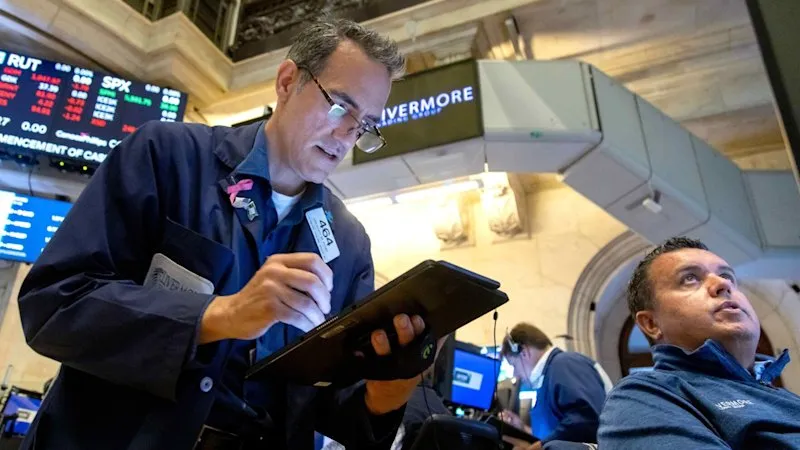
On Wall Street overnight, The S&P 500 rose 0.3 per cent and edged closer to its all-time high set earlier this month. The Dow Jones Industrial Average added 0.3 per cent and the Nasdaq composite climbed 0.7 per cent.
The retreat in oil prices offered some relief after persistent inflation and elevated yields weighed on risk appetite. Three key events may shape trading this week — Nvidia’s results on Wednesday for clues on whether the AI rally can regain momentum, the release of the US PCE gauge and Federal Reserve Chair Kevin Warsh’s Jackson Hole speech on Friday for signals on the path of interest rates.
“Although the mountain of event risk is casting a slight shadow over the markets, the easing of geopolitical risks and subsequently lower oil price has been enough to offset the trepidation,” wrote Kyle Rodda, a senior analyst at Capital.com.
Brent crude fell 3.9 per cent to $US87.05 and was heading for a second decline following 13 gains in 14 days. The drop came even though tensions between the United States and Iran seemed to ratchet higher after the Trump administration announced new sanctions to further hurt Iran’s economy.
Brent’s price zigzagged between $US72 and $US102 last month as hopes rose and fell that the United States and Iran could reach a deal that would allow oil tankers to freely exit the Persian Gulf again.
A delegation from Pakistan left Iran after talks with Iran’s president and other senior officials on reopening the Strait of Hormuz and reviving negotiations to end the Iran-US conflict, the Pakistani military said. Pakistan Interior Minister Mohsin Naqvi said a meeting with Iranian President Masoud Pezeshkian had been “very positive and productive.”
Tuesday’s drop in oil prices tempered the worries about high inflation that helped drive Treasury yields in the bond market higher through the summer. Yields had gotten so high that the US Treasury Department announced a surprise move last week to increase its repurchases of longer-term Treasury notes and bonds.
High yields make borrowing more expensive for everyone and can slow the economy’s growth while undercutting prices for stocks, cryptocurrencies and other investments.
The yield on the 10-year Treasury fell to 4.64 per cent from 4.70 per cent late Monday and from 4.74 per cent at the end of last week. That’s a significant move for the bond market, though the 10-year yield remains firmly above its 3.97 per cent level from before the war with Iran sent oil prices and worries about inflation much higher.