It is smaller than a pinkie nail, weighs just three grams, cost a small fortune and took 220 years to produce and in monetary terms is said to be worth “heehaw”.
On the surface, it’s just a tiny copper nugget.
The tiny piece of copper produced by the Bridge of Allan Well House Restoration Project weight just three grams (Image: Bridge of Allan Well House Restoration Project)
However, for the daring group behind it, the small glistening blob is 'priceless'.
Barely the size of a grain of rice, it is the first copper to be converted from rock found deep beneath Bridge of Allan since its mine closed in 1806 – representing the town's foundations and a long history of underground toil that connects the Romans to Mary Queen of Scots and a Georgian health craze.
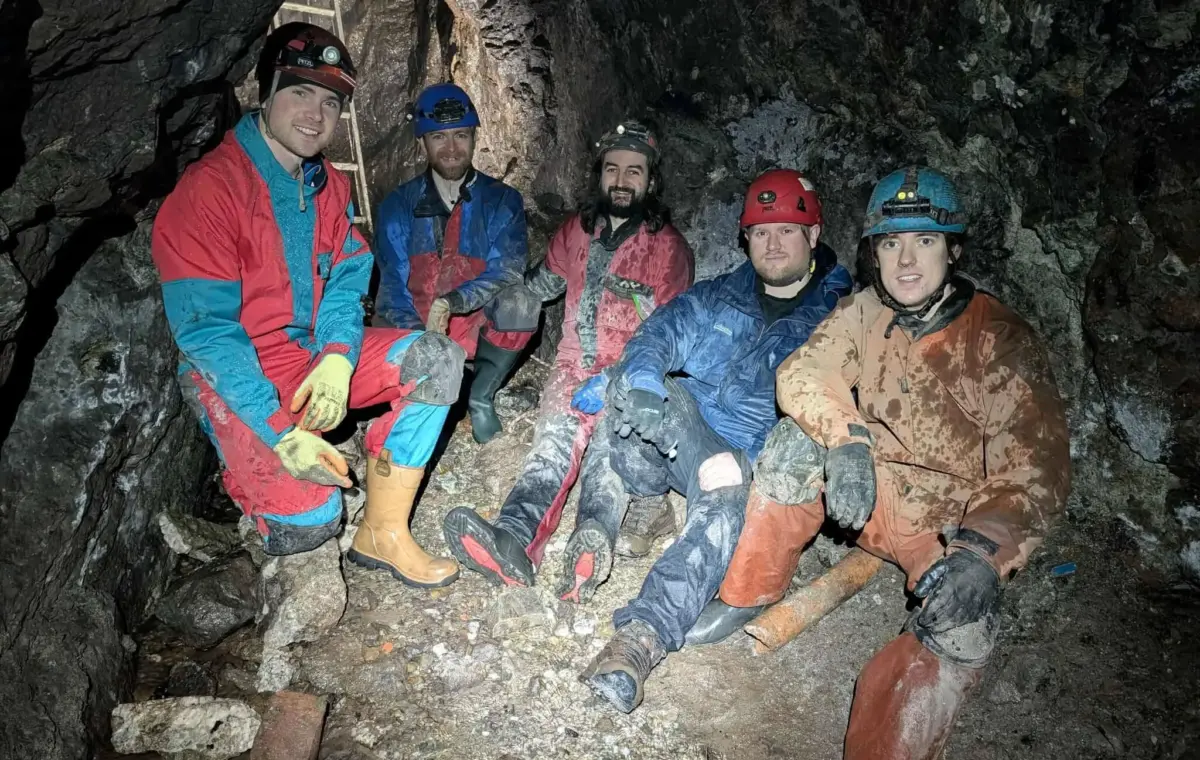
It is also the result of a meandering journey by curious caving enthusiasts who dared lower themselves through a gaping hole in a dilapidated well house building, and found themselves in an underground world of glistening blue and green copper ore.
The tiny piece of copper produced by the Bridge of Allan Well House Restoration Project (Image: Bridge of Allan Well House Restoration Project)
Until then, the physical connection between Bridge of Allan’s history as a spa town and the area’s long defunct copper mines was not obvious.
However, having realised they might share common ground beneath the surface, the cavers embarked on an underground journey.
First they had to get into the town’s oldest surviving building – the crumbing B-Listed well house.
Work to restore the Bridge of Allan Well House has brought the crumbling building back to life (Image: Bridge of Allan Well House Restoration Project)
Then, once lowered down the shaft at its centre, they discovered networks of terracotta and lead pipes, extraordinary brick tunnels and then vast voids where hundreds of years ago copper miners carried out their backbreaking task.
What started as a question mark over the copper mine and spa water connection would go on to see the old well house saved from collapse and, having gathered tiny pieces of ore from the old mine, the production of the first Bridge of Allan copper since the early 19th century.
Inside the Bridge of Allan copper mine (Image: Bridge of Allan Well House Restoration Project)
At the same time, it’s opened new opportunities for caving and ropework enthusiasts who would otherwise face having to travel hundreds of miles for a similar kind of deep underground experience.