Ageing changes how people digest food, absorb nutrients, control blood sugar and maintain muscle
I would like to be emailed about offers, events and updates from The Independent. Read our Privacy notice
Going for much of the day without eating is often promoted as a way to improve health or lose weight. But a new study suggests that long gaps between meals may have different effects on older adults – especially those in the oldest age groups.
For the study, my colleagues and I followed nearly 3,000 people aged 60 and over in Sweden and found that those who usually went longest without eating developed chronic diseases faster than those who had shorter gaps between meals. The difference was clearest among people aged 78 and over.
This does not mean that fasting causes disease in old age, nor that every older person should avoid long intervals without food. But it does raise questions about whether advice based on studies of younger and middle-aged adults can be safely applied to older age groups.
Fasting helps the body switch from using readily available sugar to using stored energy, such as fat. Studies in younger adults have linked some forms of fasting to better control of blood sugar and other potentially beneficial changes in metabolism. A recent review found that intermittent fasting led to modest weight loss and some improvements in metabolic health compared with eating without restrictions.
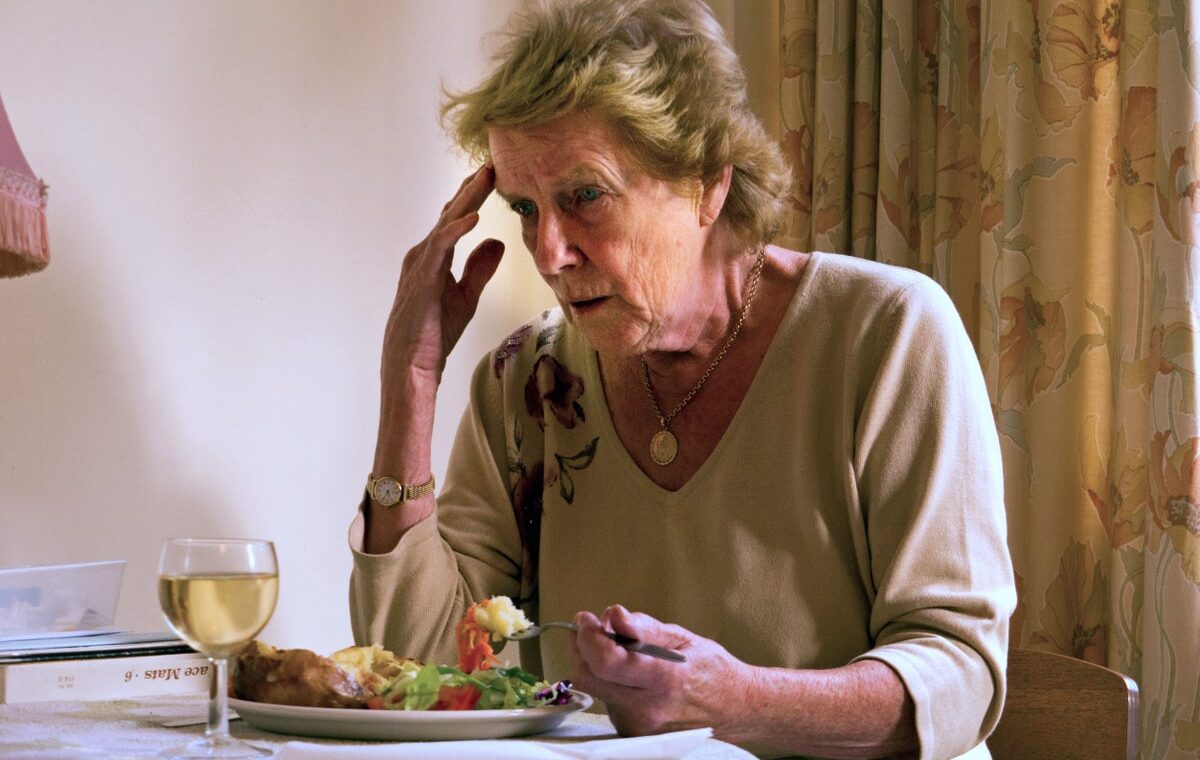
Older bodies, however, work differently in important ways. Ageing changes how people digest food, absorb nutrients, control blood sugar and maintain muscle. Older adults are also more likely to live with several long-term health conditions and take multiple medications. All these factors could change how fasting affects health.
Our study used data from 2,981 adults aged 60 and over who took part in a long-running Swedish study of ageing. When the study began between 2001 and 2004, participants were 74 years old, on average.
Participants reported their usual times for eating meals, snacks and drinking. We calculated the longest gap between any two times they ate or drank during a typical 24-hour day. This gave us a measure of their usual fasting time, rather than whether they followed a particular fasting diet.
We did not know whether people deliberately limited the hours in which they ate or simply went for long periods without food because of their appetite, health, personal preferences or other circumstances. Our analysis, though, took several of these factors into account.
We then tracked diagnoses of 60 chronic diseases for up to 15 years. The diagnoses came from several sources, including in-person medical examinations, health histories, medication use, and patient registers. This allowed us to examine not only how many conditions people had, but how quickly that number increased.
Participants were divided into four groups, based on how long they typically went without eating each day. The shortest-fasting group went between six and 11.5 hours, while those in the longest-fasting group habitually did so for between 14 and 24 hours.
People who went 14 to 24 hours without eating developed chronic diseases faster than those with shorter fasting periods. This included cardiovascular diseases, such as heart failure and stroke, and neuropsychiatric conditions, such as depression and dementia. But it made no difference for musculoskeletal conditions like arthritis and osteoporosis.
Age appeared to matter. Among participants aged 78 and over, longer fasting was associated with faster accumulation of chronic diseases. We found no clear association among those aged 60 to 77.
Several biological processes might explain why fasting has different effects at different ages. The digestive system can become less efficient in later life, reducing the absorption of essential nutrients such as vitamin B12, folate, calcium, and iron. Longer fasting compresses the time available for eating, potentially making it harder for older people to obtain and absorb enough nutrients.