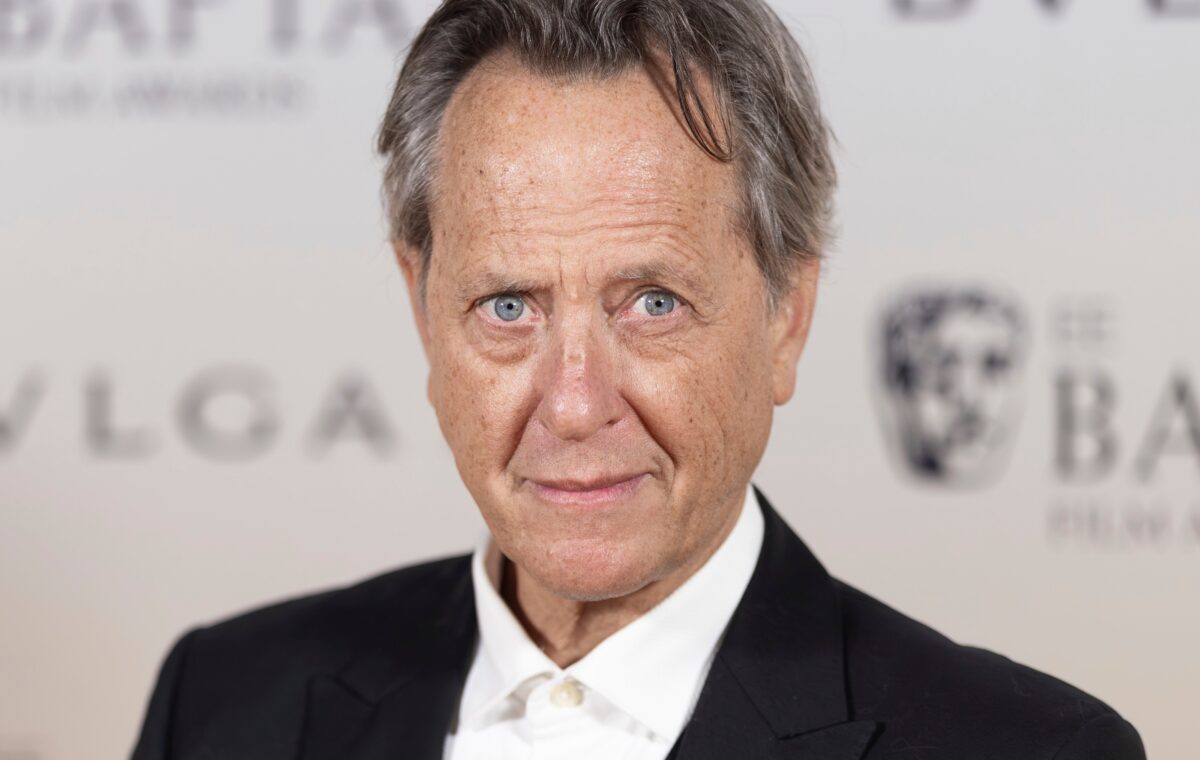
Speaking to The Times recently, actor Richard E. Grant – who lost his wife of 35 years, voice coach Joan Washington, in 2021 – said the experience led him to cut certain friends out of his life for good.
“There are people that have been edited out of my life, and I will never see them again,” he shared, speaking about friends who became distant after his wife’s death. “If I had done that to them, I wouldn’t be able to look them in the face.”
I’ve heard a similar sentiment from many bereaved loved ones (I’ve been blindsided by it, too). Something tragic happens, and just when you need support the most, people you’d have thought were closest to you appear to fade away.
Or maybe you feel you can never “connect” the same with your old pals after such a life-changing event (another common issue friends have shared).
What’s happening here? HuffPost UK spoke to BACP-registered therapist Laurie Hole about why friendships so often fall apart after a death.
Hole said that while death is universal, the topic of grief remains incredibly taboo for many.
“We are generally very under-equipped to understand grief or know how to support somebody through it,” she explained.
“Until you experience a significant loss, it can be almost impossible to comprehend the enormity of it – and even the grieving person themselves may struggle to make sense of what they are experiencing.”
That might mean those suffering a terrible loss feel the responsibility to explain their feelings or the nature of their pain when they might be least equipped to do so.
Therefore, the griever might isolate themselves first: “Sometimes withdrawing from friendships becomes a way of protecting already very limited emotional reserves”.
Other times, the therapist added, “Another person’s loss can bring up [friends’] own unacknowledged or unresolved grief, or confront them with feelings about death and mortality that they would rather avoid. They may have their own life challenges that mean they simply don’t have the capacity they ordinarily would.”
She said this isn’t always intentional, though it still stings.
“And sometimes people genuinely believe they are saying or doing something helpful, but it lands painfully. Good intentions don’t necessarily prevent hurt, particularly when we have so few conversations about what grief actually looks and feels like.”
Given how little grief and death are talked about, Hole shared some guidelines that can help you if your friend is going through it.
Sadly, Hole said, “Friendships don’t necessarily have to last a lifetime, and losing friendships following bereavement can itself become another loss that has to be processed. The death of someone you love is already a profound loss; discovering that some of your friendships cannot survive your grief can become another loss that has to be grieved”.
Source: Read the original article on www.huffingtonpost.co.uk