By STACY LIBERATORE, US SCIENCE & TECHNOLOGY EDITOR
Published: 15:35 BST, 24 August 2026 | Updated: 19:25 BST, 24 August 2026
Scientists have uncovered evidence of a lost world buried beneath Egypt’s desert for more than 70 million years.
Researchers found 14 fossilized teeth that belonged to five now-extinct shark species, including one that may never before have been found in Africa.
The discovery brings the number of shark species identified in the area to at least seven.
It reveals that one of the driest places on Earth was once submerged beneath a warm tropical sea teeming with life.
The discovery was made on Egypt’s Abu-Tartur Plateau, a remote stretch of the Western Desert rich in phosphate deposits.
The teeth varied dramatically in shape: some were thin and needle-like, others were broad and serrated, and one specimen was curved.
Those differences suggest the sharks hunted different prey and occupied separate positions within the food chain.
Together with evidence of small fish, invertebrates and predatory marine reptiles, the fossils reveal a rich ecosystem that once thrived where only deserts exists today.
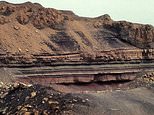
The discovery was made on Egypt's Abu-Tartur Plateau, a remote stretch of the Western Desert rich in phosphate deposits. Above is a mine in the Abu-Tartur Plateau
The team suggested that powerful ocean currents likely carried nutrient-rich water toward the surface, helping plankton and other small organisms thrive.
That abundance of food supported an entire marine food chain, from small fish and invertebrates to medium-sized sharks and enormous predators. Marine reptiles also lived in parts of the region, according to the study published in the journal Cretaceous Research.
Some of the sharks typically lived closer to shore, while others preferred deeper waters. This suggests the fossils accumulated over time and came from several different parts of the ancient marine environment.
Overall, the findings reveal that the area was once a rich and highly productive ocean ecosystem during the Late Cretaceous period.