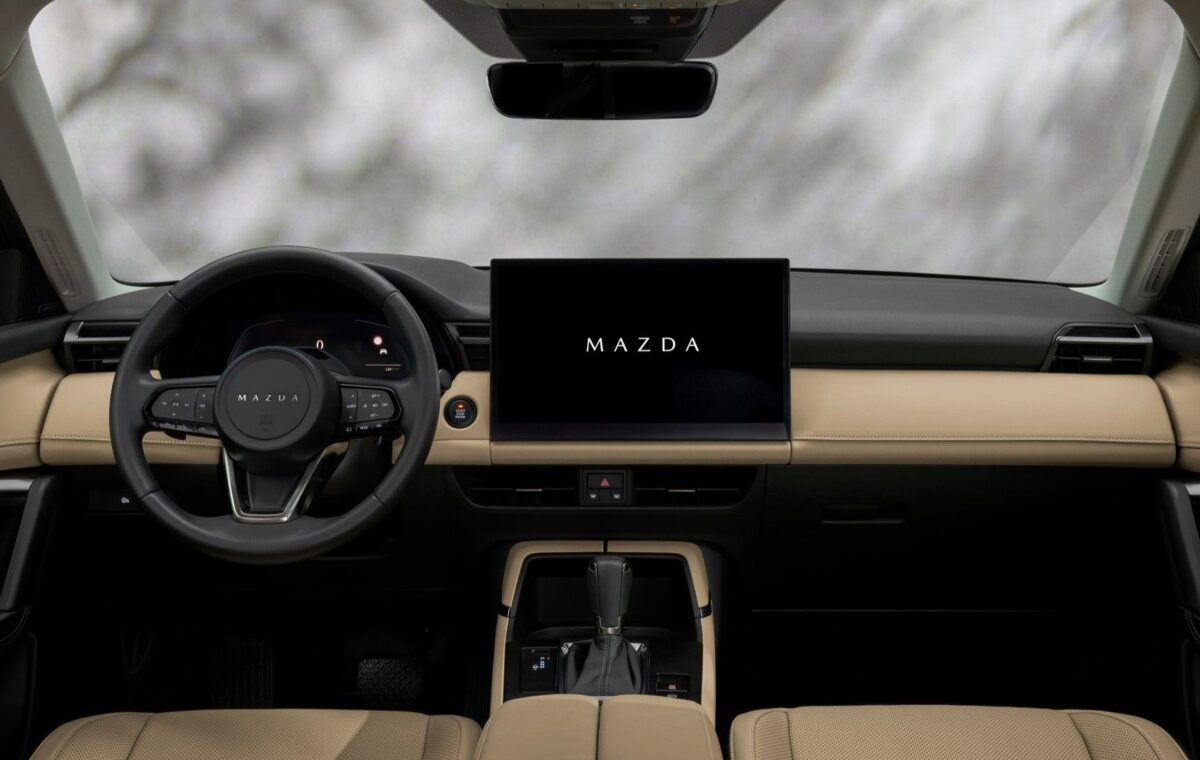
Mazda spent years proving that modern car interiors didn't need to revolve around giant touchscreens. The outgoing CX-5 was the perfect example, pairing a neatly integrated display with physical climate controls, a rotary controller, and a cabin that felt far more upscale than its mainstream price suggested. It was modern without being distracting, and technology complemented the driving experience rather than dominating it.
The redesigned model takes a very different approach. Many of the physical controls that made the old interior so intuitive have disappeared. The result may look more contemporary on paper, but it also feels more generic. Mazda built its reputation on doing things differently, but in chasing the industry's obsession with bigger screens and minimalist cabins, it may have abandoned one of the things that made its interiors special.
In order to give you the most up-to-date and accurate information possible, the data used to compile this article was sourced from various automaker websites and other authoritative sources.
Without a B-pillar to anchor a conventional hinge, the rear door needed a different way to swing open.
The CX-5 has just entered a brand-new generation, with it being completely redesigned. While this update means a lot of cool new features, we think that it is a downgrade from the outgoing model in some ways. The previous generation of the CX-5 delivered one of the nicest and most well-balanced interiors on the market, and we're sad to see that the Japanese brand has strayed from some of the things that made it so successful.
The outgoing Mazda CX-5 was a masterclass in interior design. Despite being priced up against the likes of the Toyota RAV4 and Honda CR-V, it featured a cabin that felt like it could compete with the likes of Audi and BMW. Its sleek dashboard was clean and laden with plush materials and top trims came with features that you wouldn't expect from a mainstream compact SUV. A big part of what made it so appealing, though, was its balance of modern tech and physical controls.
The 2025 CX-5 didn't skimp in terms of tech features. It came with a 10.3-inch infotainment display, a seven-inch display in the gauge cluster, and a bevy of other amenities, such as wireless Apple CarPlay and Android Auto. The screen didn't feel like the focal point of the cabin, though, with it pillowed between soft touch materials on the dashboard. While you could use touch inputs, Mazda also offered a rotary dial on the center console, something that a lot of luxury automakers make use of. You also got a volume knob on the center console, and the HVAC controls were physical. Everything felt functional and satisfying to use.
You can now hold a back-and-forth conversation with your Mercedes while driving.
We think that the clean design ideology in the outgoing CX-5, and all of Mazda's other vehicles, is what set it apart from its competition. The fact that they weren't so focused on tech gimmicks and instead made sure things felt as upscale as possible was why the CX-5 was such an appealing model. In the crossover's redesign, Mazda has completely shifted gears, with the interior becoming far more generic and less interesting.
The new CX-5 might come with some interesting new technology, but all the sense of identity that it once had has been lost. The brand has gone even more minimalistic, with the unique air vent design and rotary buttons on the center console being deleted. Overall, the material quality is fine, but it still feels like a downgrade from the outgoing model. Even the brand's iconic logo on the steering wheel has been replaced by generic lettering instead.
The loss of physical switchgear is by far the biggest blow to the interior. The focal point of the dashboard design is now a massive standard 12.9-inch tablet. For those who want to go even bigger, the top trim comes with a 15.6-inch unit. Everything is now controlled from the touchscreen, including the climate system. Unfortunately for Mazda, a lot of buyers are starting to catch on that big touchscreens are primarily used by brands to save costs and actually detract from the experience inside the cabin.
Believe it or not, that same engineering mindset extends to something a lot less glamorous than astronaut ergonomics. Cupholders.
Unfortunately, the new CX-5 hasn't connected with buyers in the way that Mazda had hoped. So far this year, its sales have been less than stellar. While the new design was meant to make the crossover more appealing to a larger range of buyers, it has alienated existing CX-5 buyers instead. Something that helps to back this up is the fact that another option in Mazda's lineup, featuring their older design ideology, has seen sales skyrocket.
The CX-50 was initially introduced to replace the CX-5. However, with the CX-5 remaining such a popular model, and there being enough of a difference between the two crossovers, Mazda kept them both in the lineup. Since the redesign of the CX-5, however, the CX-50 has overtaken the CX-5, becoming the more popular model.
In the first half of 2026, the CX-5 saw a decrease in sales of just over ten percent compared to last year. While that isn't awful, the last couple of months have been the worst for the crossover. Meanwhile, the CX-50 has seen an increase in units sold of almost 40 percent. In total, Mazda has sold almost 20,000 more CX-50s this year than they did last year, putting it ahead of the CX-5.