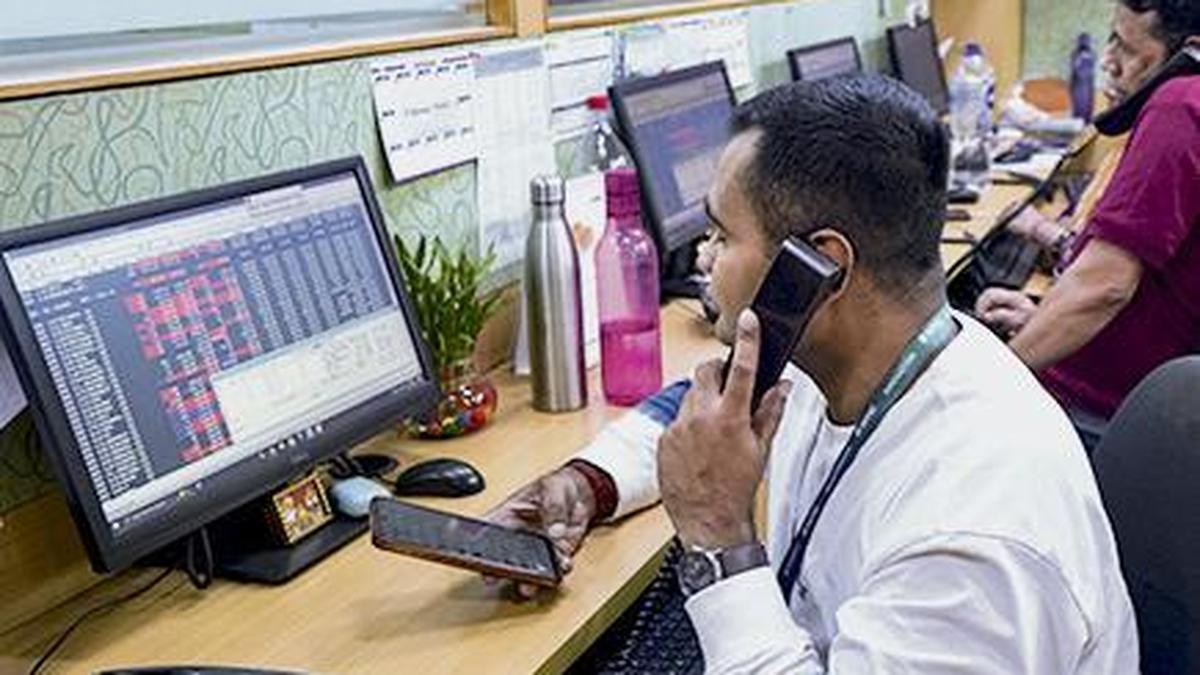
Higher trading intensity was consistently associated with higher loss rates and larger losses
| Photo Credit:
PTI
Indian retail F&O traders have been losing heavily, but the numbers differ more in scale than direction from markets elsewhere: from Brazil to South Korea, studies reviewed by the Securities and Exchange Board of India (SEBI) show widespread losses among retail participants in derivatives and other leveraged products.
Some of the findings from overseas markets, while not directly comparable because the studies cover different products, time periods and methodologies, echo patterns visible in India.
In Brazil, a study of individuals who began day trading equity-index futures found that 97 per cent of those who continued for more than 300 days made a net loss, while only 1.1 per cent earned more than the country’s minimum wage from the activity. The study also found that staying in the market longer did not improve outcomes.
South Korean research showed that about 75 per cent of retail day traders in KOSPI 200 futures lost money after fees, while more frequent and intensive trading was associated with poorer outcomes. In Taiwan, individual futures traders incurred average losses of NT$61,500 after transaction costs, with greater experience again failing to translate into better trading skills or lower losses.
These parallel SEBI’s findings in India, where trading experience did not materially improve outcomes and the probability of losses remained high even after several consecutive years of participation. Similarly, it found higher trading intensity was consistently associated with higher loss rates and larger losses.
“International evidence consistently indicates that retail investors globally incur losses when trading derivatives and other leveraged products,” SEBI said. “Across jurisdictions, both transaction-level academic studies and regulatory analyses of retail accounts report high loss rates among individual participants in futures, options, CFDs, and foreign-exchange markets.”
Around 74-89 per cent of retail contract for difference (CFD) accounts in European markets lost money, while about 82 per cent of clients in an earlier UK study lost money. In France, more than 89 per cent of retail investors lost money in CFD and forex trading over a four-year period. A CFD is similar to an F&O bet between a trader and broker on whether the price of an asset goes up or down.
In Australia, 68 per cent of retail CFD investors lost money in FY2024, including losses from trading fees, while US regulatory data shows about two out of three retail forex accounts typically lose money in a quarter.
The regulator said, “Like in many other jurisdictions, losses remain the dominant outcome for individual traders in the equity derivatives segment in India.”
Around 91 per cent of individual traders in India’s equity derivatives segment incurred net losses during FY25-FY26, with cumulative losses exceeding ₹2 lakh crore, even after aggregate losses moderated to 87.7 per cent in FY26. More than 1.2 crore unique individuals traded in the segment over the two years.
Copyright© 2026, THG PUBLISHING PVT LTD. or its affiliated companies. All rights reserved.
Comments have to be in English, and in full sentences. They cannot be abusive or personal. Please abide by our community guidelines for posting your comments.
We have migrated to a new commenting platform. If you are already a registered user of TheHindu Businessline and logged in, you may continue to engage with our articles. If you do not have an account please register and login to post comments. Users can access their older comments by logging into their accounts on Vuukle.
Source: Read the original article on www.thehindubusinessline.com