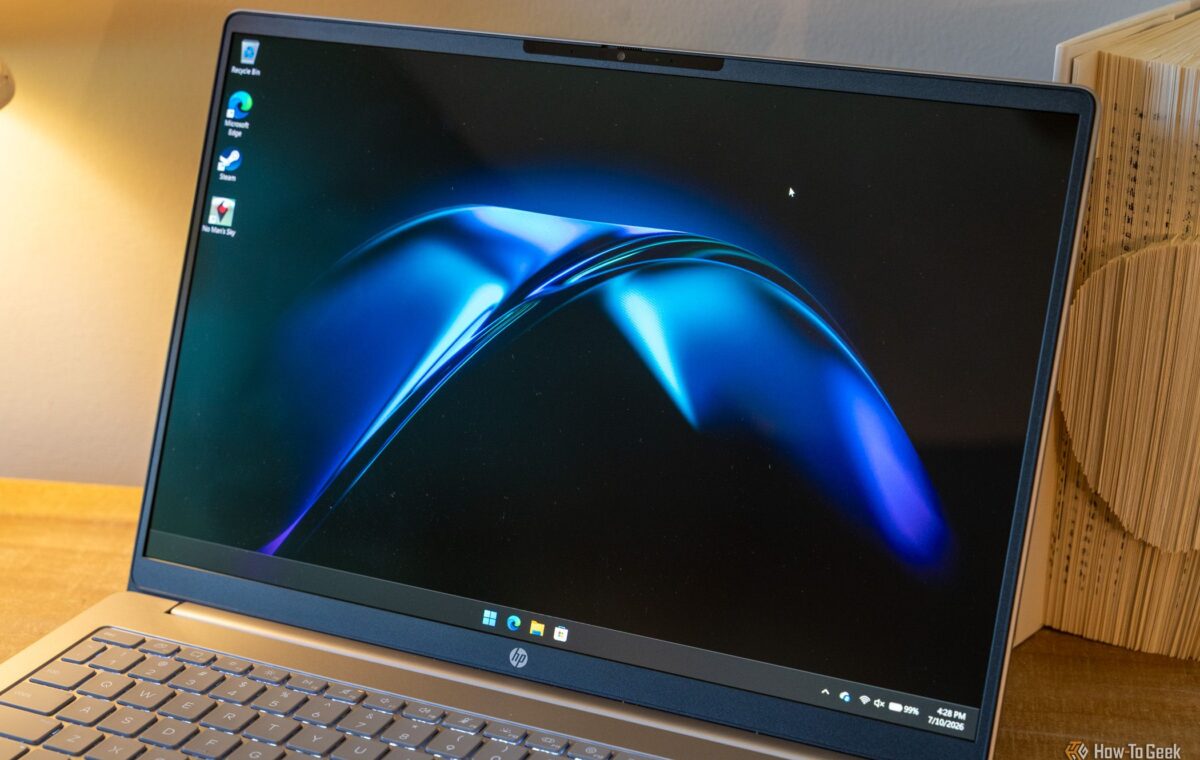
Windows 11 came with a number of refreshed default apps and a sleek new user interface, but it still leaves a lot to be desired. The basic media app often struggles with unusual formats or HDR content, the UI changes were not universally popular, it still lacks the ability to interact with some kinds of files effectively, and managing your installed apps is a messy nightmare.
Luckily, there are countless free and open-source applications that are available to pick up the slack.
I can't count how many times I've attempted to open a media file from the internet only for the default apps included with Windows 11 to fail miserably.
VLC is the easiest solution to that problem; it allows you to play back almost any file you'll encounter without downloading anything extra, whether you're playing an MKV with a ton of subtitles and language options or a network stream.
To avoid future problems with Media Player, be sure to set VLC as the default player for all video files during installation.
VLC is the best one-size-fits-all media player, but mpv has a few advantages.
I've found it provides a better out-of-the-box experience if you're playing back ultra-high refresh rate files, UHD or higher resolutions, or any video file with HDR.
The "snag" is that the ultra minimalist app can't be configured without opening a text file. The user interface itself isn't much more than the basic media control buttons and that is it. It supports a mix of hotkeys to accomplish the same things UI elements normally do.
If VLC is not working the way you want for an HDR video, try mpv instead. Just be ready to edit a text file if you need to change the settings.
HDR was supposed to change everything, but the reality is messier than the hype, and I understand why so many people are disappointed.
There are countless community configuration files (mpv.conf) that you can use as a baseline rather than trying to configure the program from the ground up by yourself. There are even configuration files that are purpose-built for specific types of media if you really want to try and optimize playback.
If you dislike the user interface changes made to Windows 11, Windhawk is one of the best options. It works by injecting community-made mods into the existing shell.
In practical terms, you can download a Start Menu mod, hit "apply," and you have a different Start Menu. Importantly, it doesn't overwrite anything, so reverting to the default if a Windows Update breaks something is as simple as disabling Windhawk.
It has mods that allow you to change your taskbar, icons, rework the explorer ribbon, remove the recommendation area from the Start Menu, add a scroll wheel volume control to the task bar, and more.
That modularity is the most appealing part for me. I can apply 3 or 4 small fixes, or I can completely rework the design of Windows.