Account subscription benefits alongside Premium Stories, Editorials,
Opinions and more. Unlock these with Subscription
The View From India
Looking at World Affairs from the Indian perspective.
First Day First Show
News and reviews from the world of cinema and streaming.
Today's Cache
Your download of the top 5 technology stories of the day.
Science For All
The weekly newsletter from science writers takes the jargon out of science and puts the fun in!
Data Point
Decoding the headlines with facts, figures, and numbers
THEdge
At the cutting edge of education and careers
Health Matters
Ramya Kannan writes to you on getting to good health, and staying there
Gender Agenda
Stories from beyond the binary.
The Hindu On Books
Books of the week, reviews, excerpts, new titles and features.
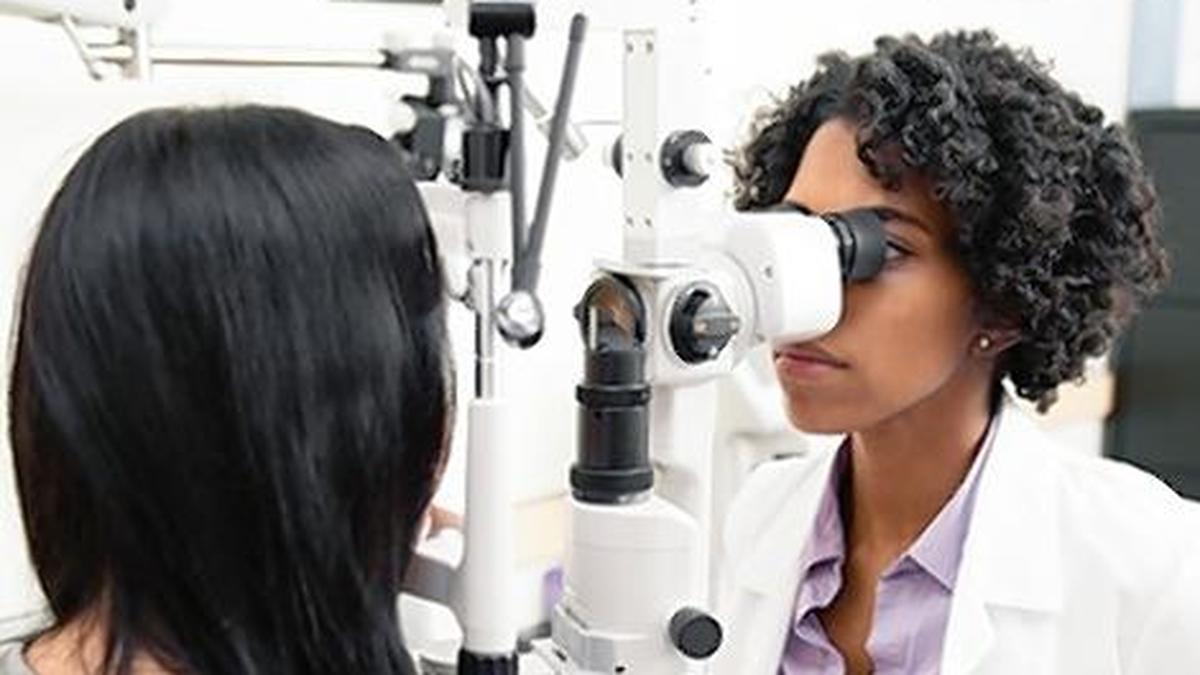
Women may complete specialist training and build strong clinical careers, yet advancement can become harder when opportunities for surgical volume, fellowships, research, professional networks and institutional leadership are unevenly distributed. Image used for representational purposes only
| Photo Credit: Getty Images
Women are entering ophthalmology in greater numbers, yet still remain under-represented in senior leadership, academic and decision-making roles. Why does this matter? Globally, women account for 55% of the 1.1 billion people living with vision loss, meaning 112 million more women than men live with vision loss, including blindness. Yet women represent only 25–30% of ophthalmologists and 35–45% of professionals-in-training worldwide. The gap is therefore not simply about getting women into ophthalmology: it is about ensuring that those who enter the profession can progress into positions where they lead departments, research, training, policy and institutions, in order to create greater representation that brings a wider range of perspectives to how eye-care systems are designed, delivered and governed.
India offers a telling example. A nationwide survey of women ophthalmologists published in the Indian Journal of Ophthalmology found that only 7.4% of respondents were heads of department. Nearly 79.5% reported that motherhood had temporarily interrupted their careers, while 49% felt career breaks affected their clinical or surgical skill development.
These findings point to a progression problem rather than an entry problem. Women may complete specialist training and build strong clinical careers, yet advancement can become harder when opportunities for surgical volume, fellowships, research, professional networks and institutional leadership are unevenly distributed. A career break should not become a permanent penalty, nor should leadership depend on informal access to influential networks.
Mentorship can help women navigate these barriers, but advice alone cannot close the leadership gap. Women also need sponsorship: senior professionals who actively recommend them for leadership roles, research collaborations, speaking opportunities, committees and other platforms where careers advance.