Ports are running out of clean power options — Bluecore Energy wants to go nuclear
When you purchase through links on our site, we may earn an affiliate commission. Here’s how it works.
The Port of Long Beach is exploring small modular reactors that could eventually supply electricity for port operations and ships.
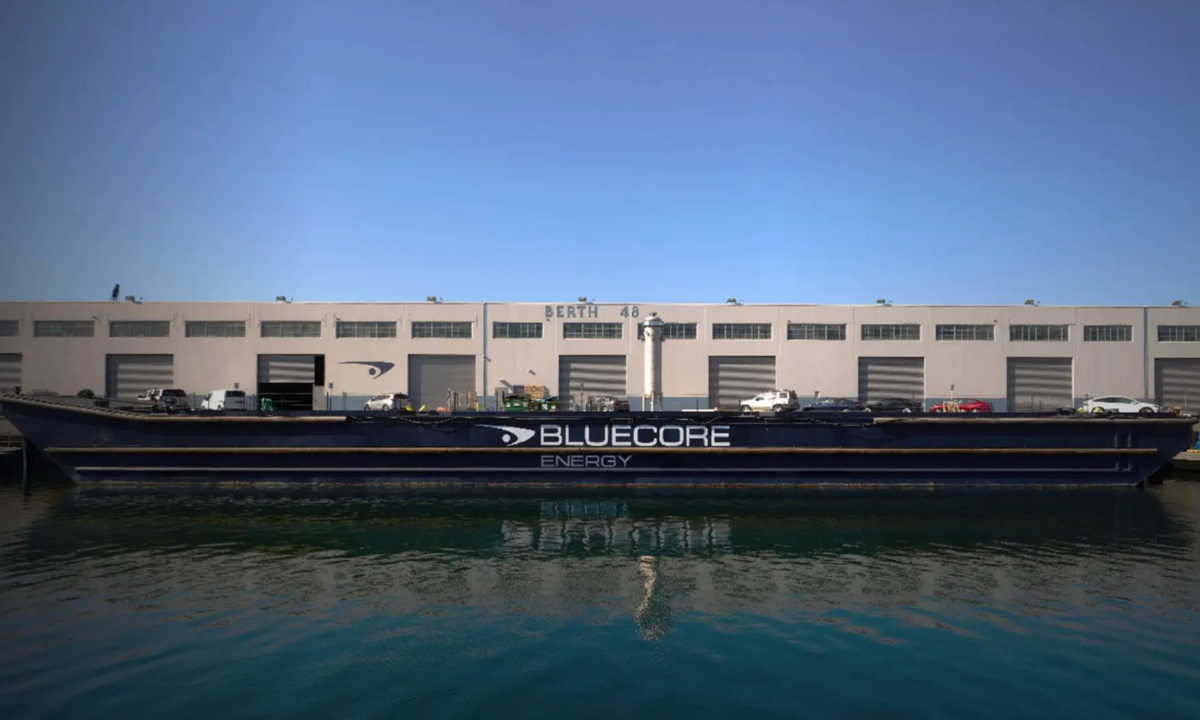
Bluecore Energy, a startup building compact nuclear reactors meant to operate from floating barges, is leading the proposal.
This marks a potential return of nuclear power development in California after nearly five decades under state restrictions.
Bluecore has leased space at Berth 48 within the Port of Long Beach, where it intends to develop and test its floating reactor system.
The company's initial system is rated at 10 MWe, a capacity the startup says can scale through pairing multiple units together, an approach which suits continuous port operations partly because individual reactors are designed to run for years on a single fueling cycle.
The port has also signed a cooperation agreement with the US Maritime Administration to help establish safety standards for maritime nuclear power use.
"The company has taken nuclear reactor technology used in power generation and developed a smaller system designed to operate from a barge," said Kofi Asante, founder and CEO of Bluecore.
Sign up to the TechRadar Pro newsletter to get all the top news, opinion, features and guidance your business needs to succeed!
Asante told CBS News that a single reactor could generate enough electricity to power roughly 15,000 homes.
The proposed system is water-cooled and would generate heat through nuclear fission, similar to conventional nuclear plants on land.
Port officials say nuclear power could eventually supply around-the-clock electricity as cargo operations become increasingly electrified across Long Beach's terminals.
The technology could also extend to ships, data centers, and other coastal facilities located near water access points.
California has maintained a moratorium on new nuclear fission reactor construction since 1976, tied to unresolved questions about high-level radioactive waste disposal.