Players in Scotland can pick up a club and head straight out onto the golf course. In Germany, however, most newcomers must first prove they are ready to play. What might Scotland learn from one of golf's most unusual entry requirements?
For most Scottish golfers, the idea of needing a licence before stepping onto a golf course sounds extraordinary. Yet in Germany, a system known as the Platzreife has shaped how newcomers enter the sport for decades.
Usually translated as "course readiness", the qualification acts as a gateway to many German golf courses. Prospective golfers must demonstrate a basic understanding of technique, the rules of golf, and on-course etiquette before they are allowed to play independently.
Supporters argue that it protects both the quality and pace of play. Critics have long questioned whether it risks creating barriers for newcomers and reinforces perceptions of golf as an exclusive sport. Either way, Germany remains one of the most prominent examples of a country where beginners are expected to earn the right to play.
The Platzreife is not a government-issued licence but a certification recognised throughout German golf. The phrase literally means "course readiness", and it is designed to show that a golfer understands the rules, can play safely, and can behave appropriately on the course.
Most golfers obtain it through a structured beginner programme run by a golf club or teaching academy.
The process typically combines instruction with testing. Candidates learn the fundamentals of the golf swing, short game and putting while also studying rules and etiquette.
Assessment usually includes both a written theory test and an on-course practical examination. The aim is not to produce expert golfers, but to ensure they can move around a course safely, keep up with play, and avoid disrupting others.
A post shared by Michael Farrier-Twist | Golf Coach (@michaelfarriertwist)
The licensing concept emerged as German golf sought to manage growing participation while preserving playing standards. Supporters argue that courses are safer and more enjoyable when every player understands basic etiquette and rules.
Golf authorities also point to pace of play. A newcomer who knows where to stand, when to hit and how to keep moving can make a considerable difference on a busy course.
In practice, most German golfers encounter the requirement when entering the sport. Individual clubs retain discretion over who may play their courses, but the Platzreife has become the accepted industry standard.
Visiting golfers from abroad can often sidestep the system if they can demonstrate an established handicap or club membership from their home country.
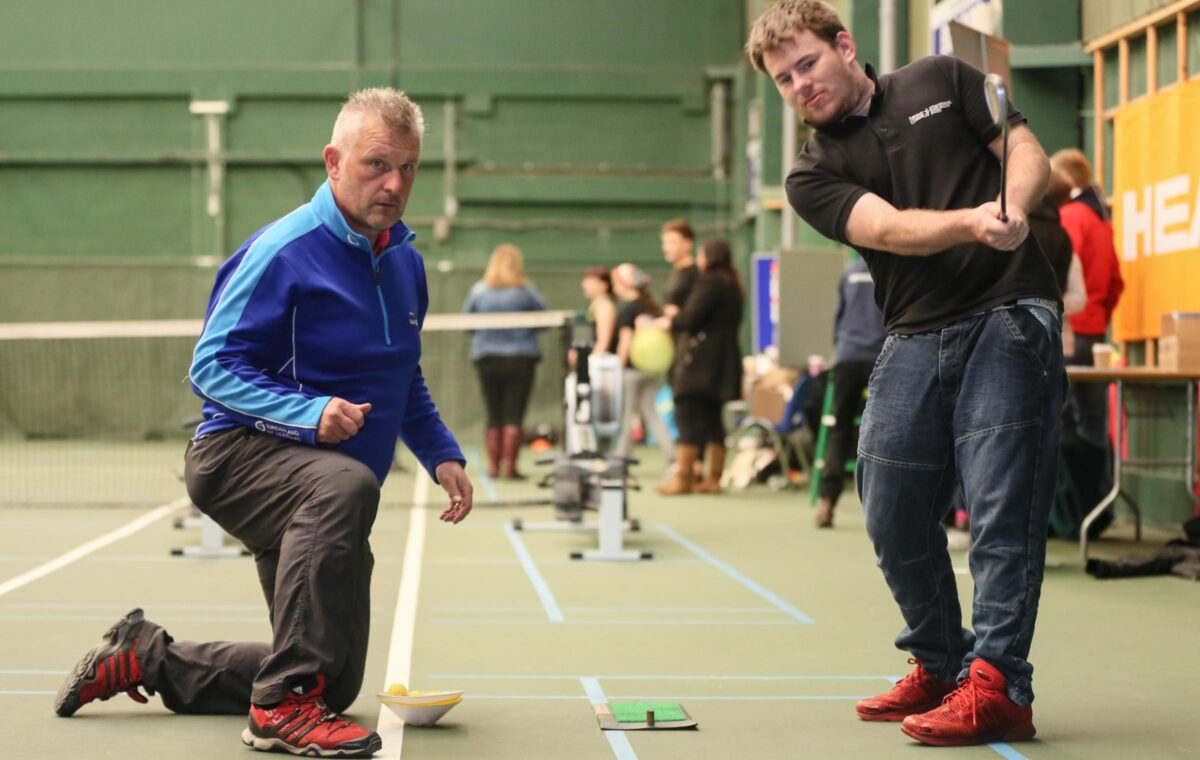
The Platzreife certification is recognised throughout German golf (Image: Supplied)
The closest comparisons are Belgium and the Netherlands, both of which have operated forms of golf competency certification. Austria and Switzerland also maintain systems that place significant emphasis on demonstrating playing competence before unrestricted course access.