I understand Chromebooks, and so do you: They’re lean, efficient devices designed to surf the web without breaking the bank. But everything I’ve seen recently says that Google’s next effort, Googlebooks, are headed in the opposite direction.
Productivity begins with your choice of device, and Google’s Chromebooks have been spectacular in their pursuit of efficiency. Recent reporting, however, indicates that Google’s upcoming Googlebooks might be initially intended as premium devices, establishing a new high-end tier above Chromebooks in terms of price and performance — and saturating them with AI, too, of course.
We now know that Google will launch the Googlebook at an event in New York on Sept. 15. (PCWorld will be there!) Expect numerous Googlebook announcements by laptop makers at the Google launch, hoping they’ll be the next big thing. Reviews and shipments will probably begin in October.
But I’m still not getting the best vibes surrounding the upcoming Googlebook launch. Let’s break down why not.
Welcome to PCWorld’s newsletter, Smart Mode! The focus of this newsletter is productivity: from software to hardware to peripherals, all with the idea to get what you need to get done, efficiently.
I’m your host, Mark Hachman, covering the productivity tips, tools, and trends that you need to know about, both from within PCWorld and beyond. If you want the latest issue in your inbox each week, just sign up right here.
If you already own a Chromebook, you’re the most likely candidate to upgrade to a Googlebook. So you have to begin with the question: what will existing Chromebook buyers pay for it?
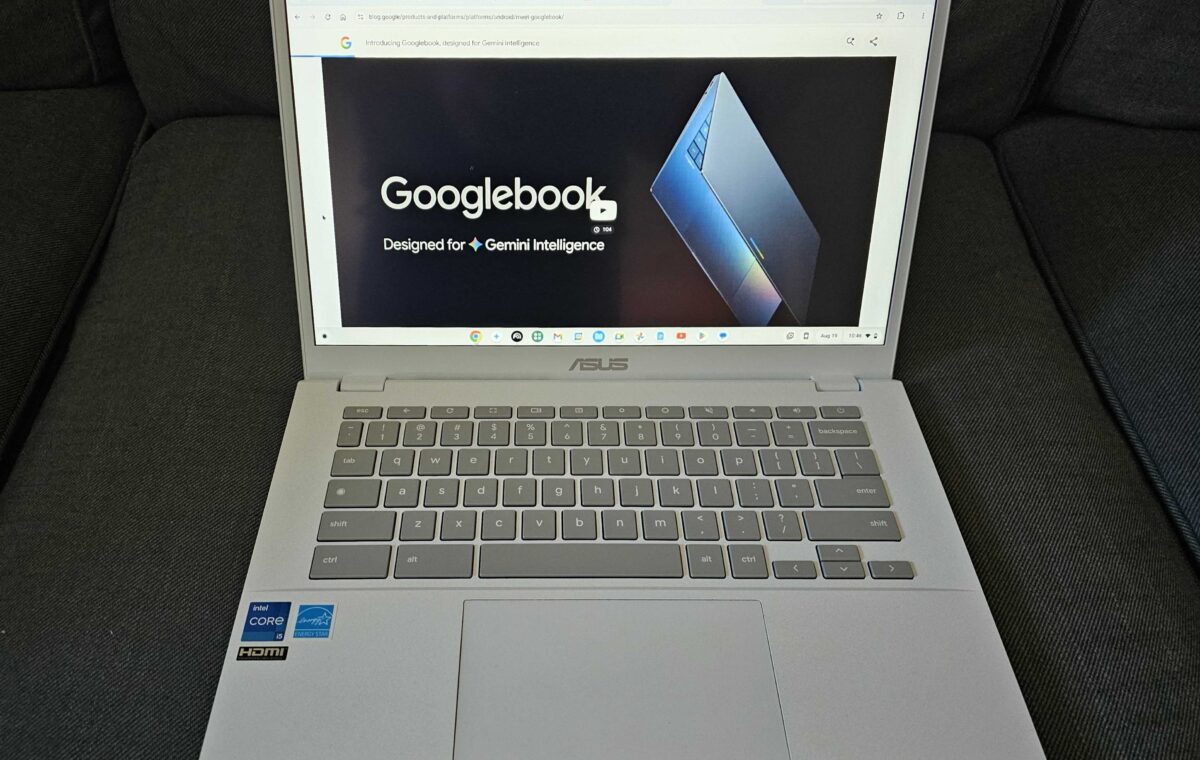
As of this writing, not a single vendor has released pricing for the Googlebook. However, Chrome Unboxed remains completely convinced that devices like the Asus Googlebook CX9406 will ship with up to 64GB (?!!!) of memory, part of a tiered product strategy. Those tiers begin at the top with what’s being called “AL Premium,” referring to the Aluminium operating system that combines some elements of Chrome OS and Android.
Over time, the market will expand, Google vice president John Maletis said in May. Underneath AL Premium will be AL Mass Premium (think the Snapdragon X Plus and the Intel Core Ultra 5, Chrome Unboxed reports) then eventually the AL Entry tier that you’re used to seeing as the mass-market Chromebooks that populate classrooms. And underneath those? Chromebook Plus, then finally basic Chromebooks.
So premium Chromebooks (the Chromebook Plus) could be priced less than entry-level Googlebooks? I sincerely hope not.
At Best Buy, I can pay anywhere from $399 to $850 for a Chromebook Plus, and a premium Googlebook like the CX9406 will undoubtedly be priced way, way higher. How much will buyers tolerate paying for a next-gen Chromebook Googlebook, even with a fresh new OS and branding on top of it?
In 2026, any Google device with a price tag higher than $1,000 seems doomed to sit on store shelves while buyers try to figure out what a Googlebook is good for.
According to Maletis, Googlebooks will run “truly native Android applications,” rather than emulating those Android apps like Chromebooks do. (And Windows, for a while.) Great, right?
I’m not convinced. The entire history of the Chromebook has been to try to sell users on the premise that cloud-native applications can perform as well as native apps running on a host PC. ChromeOS is essentially a Web browser, after all.
Does a traditional Chromebook buyer really care where apps live? A Windows user does, certainly — that’s why Windows users have complained about web wrappers, and web apps posing as local ones. But Googlebook customers? They’re going to need some convincing.