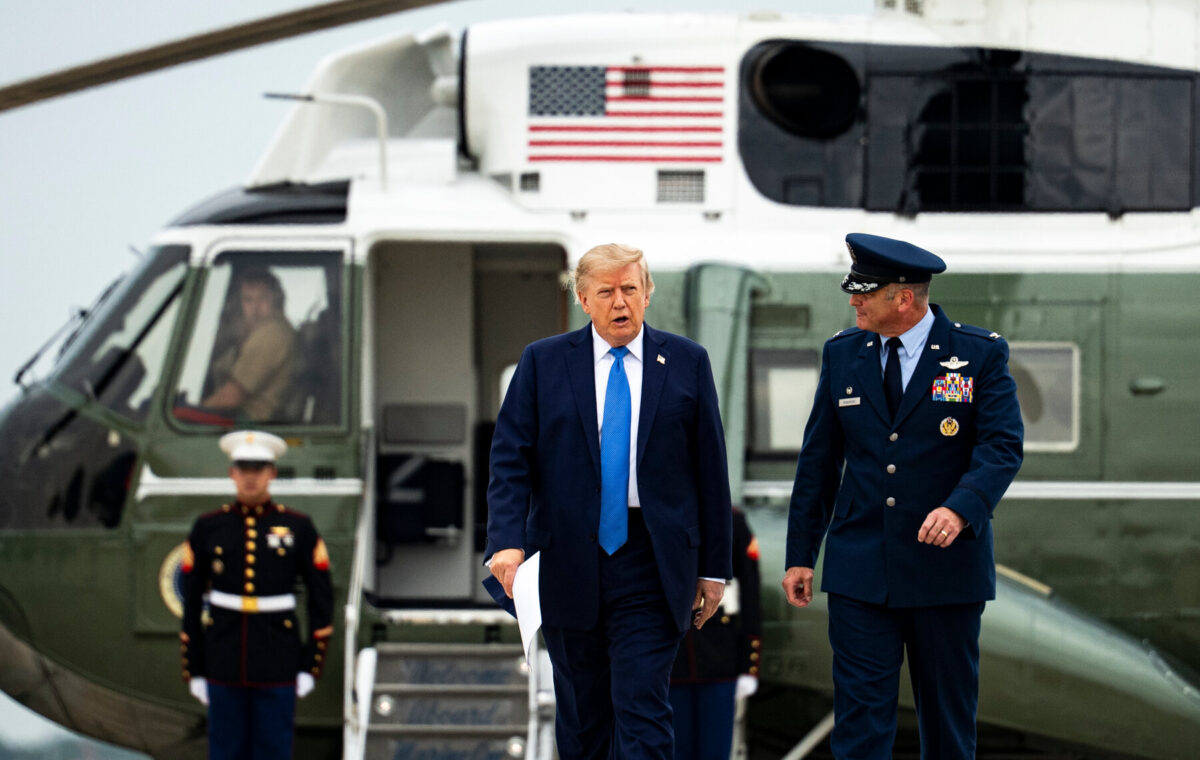
The president did not specify what actions he would take, and he has on other occasions abandoned threats to dramatically escalate the war with Iran.
President Trump issued his latest threat in the war with Iran, vowing on Wednesday to impose “tremendous economic consequences” on countries that do business with Iran.
Mr. Trump did not specify in his social media post what actions he would take, and the White House did not immediately respond to questions on the matter. Treasury Secretary Scott Bessent warned last week of “never before seen” measures to pressure Iran.
Foreign Minister Abbas Araghchi of Iran dismissed the threat in a social media post. He called it “a diversion from America’s own crisis: unprecedented debt & surging interest costs” and included pictures of news coverage about the U.S. debt burden surpassing $40 trillion.
The president has previously backed away from threats of severe escalation in the war, which has inflicted significant damage to the world economy since the United States and Israel launched attacks in late February. The Trump administration also has few obvious options for ramping up economic pressure, as the United States has imposed extensive sanctions targeting Iran’s economy and its leadership.
Without identifying particular countries, Mr. Trump seemed to suggest that he could target nations that buy Iranian oil. He referred to tactics that Iran has used to circumvent the U.S. sanctions that it weathered for years before the war began. The Treasury Department could impose secondary sanctions on buyers of Iranian oil, such as China, but that would ratchet up tensions ahead of President Xi Jinping’s visit to the United States, scheduled for September.
Many neighboring countries in the Gulf region also have significant economic ties to Iran. The United Arab Emirates announced a total embargo on trade and transactions with Iran on Monday. The announcement came hours after a call from Mr. Trump to the Emirati leader, Sheikh Mohammed bin Zayed.
We are having trouble retrieving the article content.
Please enable JavaScript in your browser settings.
Thank you for your patience while we verify access.