Saint Etienne became defined by a string of hits that captured the melancholic indie dance pop of the 1990s. Their output ranged from the Northern Soul-infused Nothing Can Stop Us to their era-defining cover of Neil Young’s Only Love Can Break Your Heart.
Perhaps their most ubiquitous hit was the dance-floor anthem He's On The Phone, which began as a collaboration with ‘the prince of French Pop’ Étienne Daho.
Far from resting on their laurels, the band have recently produced some of their most ambitious work. For instance, their penultimate record The Night (2024) offered a nocturnal ambient soundscape, followed last year by the more clubby energy of their 12th and final studio release International.
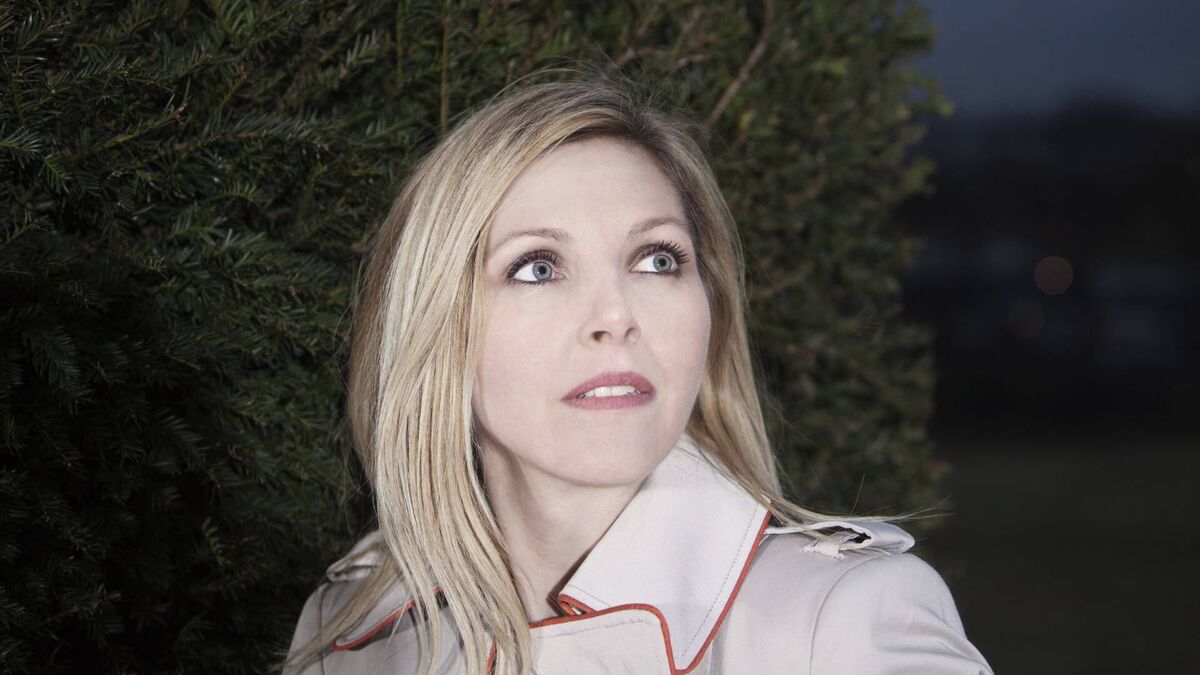
Those latter records embrace the broader European identity that served the band well for three decades. Recalling her entry into Saint Etienne, vocalist Sarah Cracknell explains, from her "leafy Oxfordshire" home, how she was originally just a fan of the band.
“I was very aware of them. I bought Only Love Can Break Your Heart, which I loved,” she recalls. The Neil Young cover provided an indie-dance crossover hit in 1990, sung by Moira Lambert. When founders Bob Stanley and Pete Wiggs invited Cracknell to record Nothing Can Stop Us, they found an immediate creative synchronicity.
“We had so many of the same reference points. Bands we liked growing up, films, TV and aesthetic stuff. It was just a match made in heaven. There wasn't anything that didn't align,” recalls Cracknell.
That shared vision led to a writing style that was strangely atmospheric and often beguiling at a time when pop culture was less fragmented. They crossed over from indie into pop and dance when those boundaries and subcultures were still rigid.
“We thought we were making future music,” she reflects, “but it turned out it was quite nostalgic in a way."
For a band fascinated by television and pop culture, it made sense they should become the first ever act to be broadcast during Channel 4's Glastonbury coverage in 1994. There were also several memorable appearances on Top of the Pops. "It was like being on a rollercoaster. Glastonbury, Top of the Pops, and clubbing all at the same time, it was totally mind-boggling."
Saint Etienne found an audience that instinctively understood what they were trying to do. "We were fans before we were in a band, so we always took great care with our artwork and sleeve notes because we knew that joy of poring over a tangible record. Back then, you found out about music by sitting in the pub or reading the NME, not through social media. It was a brilliant time."
Cracknell, 61, was born into a world of 1960s glamour and storytelling. Her mother, Julie Samuel, was an actress who frequented the Soho scene, appearing alongside Gerry and the Pacemakers in the 1965 film Ferry Cross the Mersey.
"She went to school in Soho and would go to the 2i's Coffee Bar," explains Cracknell in reference to the legendary Old Compton Street venue. "She was very much in the scene and in demand for a while… and then she got pregnant with me and I ruined everything," she says, laughing.
Her father, Derek Cracknell, was first assistant director to Stanley Kubrick, working on films such as 2001: A Space Odyssey. She shares a family story from the set of A Clockwork Orange regarding Kubrick’s notorious intensity and a clash over tea breaks.
“Stanley suddenly said, 'Well, we're going to work into the night now, and I want lights coming in the windows, because it's night for day kind of thing.' My dad said, 'It's on the 11th floor. What are you talking about?'”
After Kubrick told him to “Piss off”, Derek Cracknell walked off the set. The fallout resulted in a letter from Kubrick. “He wrote this letter which my mum still has. It says, 'Dear Derek, I'm so sorry. I thought 'piss off' was like a friendly term of endearment. I didn't realise it was rude.' The letter is genius… it's a piece of history.”