A documentary questioning whether attention deficit hyperactivity disorder (ADHD) is a genuine condition or a social construct has aired on Channel 4 – and it’s proven predictably divisive.
The show, titled The Great ADHD Myth?, has prompted a wave of responses online from doctors, charities and people with the disorder who are concerned it will contribute to stigma surrounding the condition.
A reactionary survey by the charity ADHD UK in the wake of the documentary revealed that (at the time of writing), of 1,566 people who watched the show, 92% believe it has increased stigma surrounding ADHD, while 93% do not believe the show was fair in its representation of the condition.
ADHD UK’s CEO and co-founder, Henry Shelford, told HuffPost UK: “We are shocked by this programme. The fact it got commissioned at all speaks to the stigma around ADHD – a stigma that is now likely to get worse because of this show.”
The charity had previously penned an open letter to Channel 4 urging it to make a series of changes to the documentary before its release, including a review of the title and for the broadcaster to “make clear on screen where contributors’ views sit relative to mainstream clinical consensus”.
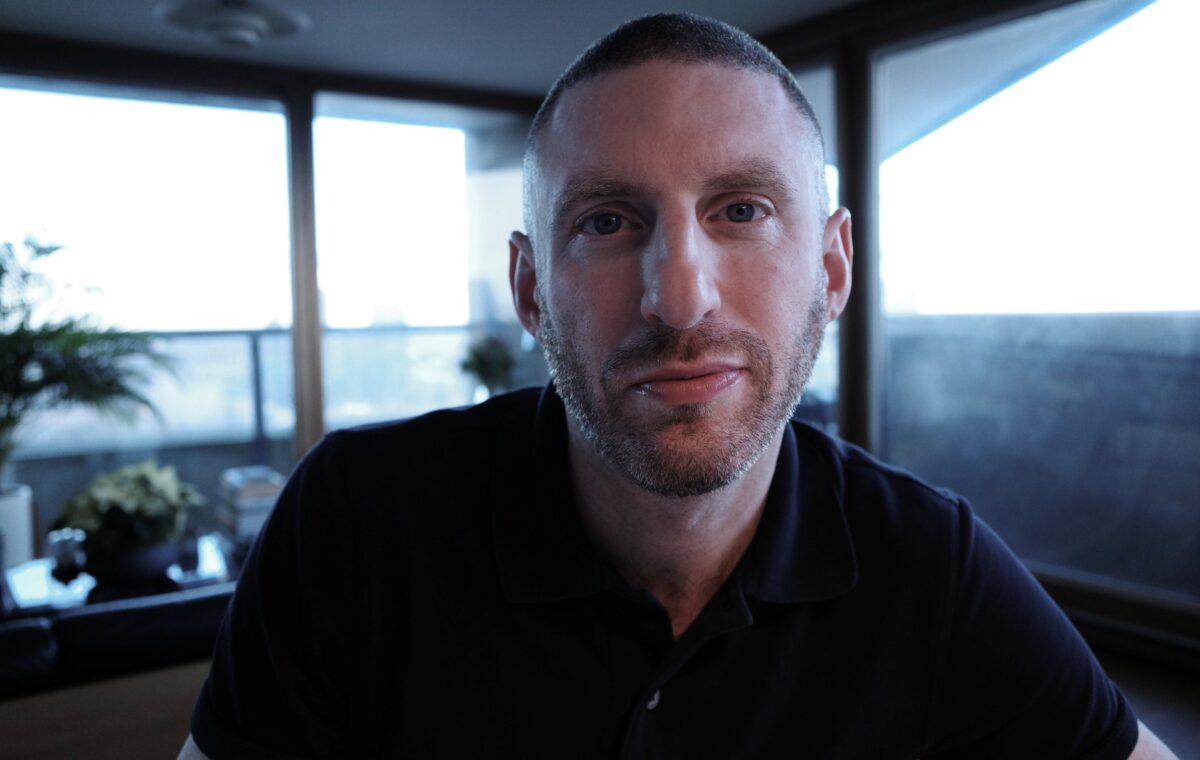
The documentary followed NHS psychiatrist and Daily Mail columnist, Dr Max Pemberton, as he spoke to medical experts who questioned the conventional narrative around ADHD.
One such expert, Dr Iona Heath, the former president of the Royal College of General Practitioners, said: “It’s certainly not a medical condition as far as I’m concerned.” Another child psychiatrist said: “In 100 years’ time people are going to wonder, ‘How could we be so gullible?’”
The show posed a number of questions including whether ADHD is a disorder or social construct, how it should be treated (including whether diet and lifestyle changes could help), whether medication is the right approach and who benefits from increasing diagnoses.
Dr Pemberton – who remains certain he doesn’t have ADHD – underwent a private assessment (costing £1,200) and was diagnosed with combined ADHD and a prescription for medication.
The documentary also followed a family who wanted to see whether holistic lifestyle changes could eliminate their 10-year-old son’s use of ADHD medication. The pills “take my fun-ness away”, he said, however the programme noted at the end he did go back on them.
ADHD UK’s survey found 80% of those surveyed said it wasn’t “responsible” for a broadcaster to film a 10-year-old stopping his ADHD medication for television.
In response, Channel 4 told HuffPost UK: “The welfare of the boy and his family were of paramount importance both before, during and after the production process. An independent doctor, his GP, and a health and safety company were consulted.
“Advice was also taken from three independent psychiatrists on the medication break. This programme was produced in compliance with the Ofcom Broadcasting Code.”
The Times’ review of the show called its arguments “convincing, or at least the start of a necessary discussion”, although they did note “there was no real counter-argument offered to the idea of ADHD as a ‘myth’”.
Meanwhile the Guardian said Dr Pemberton “answers his questions convincingly”, highlighting the remedies proposed at the end, such as changing diet, screen and activity levels first, adapting schools to children’s needs, and making medication the last resort “seem neither radical nor uncompassionate”.
Source: Read the original article on www.huffingtonpost.co.uk