Account subscription benefits alongside Premium Stories, Editorials,
Opinions and more. Unlock these with Subscription
The View From India
Looking at World Affairs from the Indian perspective.
First Day First Show
News and reviews from the world of cinema and streaming.
Today's Cache
Your download of the top 5 technology stories of the day.
Science For All
The weekly newsletter from science writers takes the jargon out of science and puts the fun in!
Data Point
Decoding the headlines with facts, figures, and numbers
THEdge
At the cutting edge of education and careers
Health Matters
Ramya Kannan writes to you on getting to good health, and staying there
Gender Agenda
Stories from beyond the binary.
The Hindu On Books
Books of the week, reviews, excerpts, new titles and features.
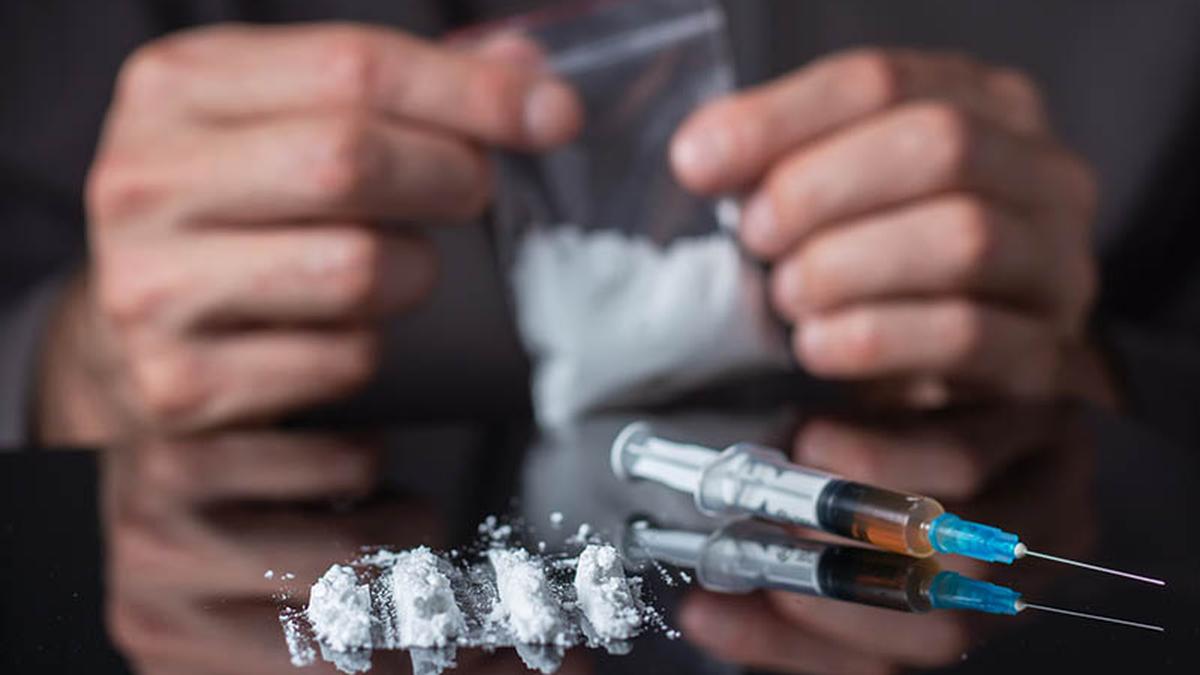
Image for representative purposes only
| Photo Credit: Getty Images/iStockphoto
The National Dope Testing Laboratory got approval from the World Anti-Doping Agency (WADA) to manage the Athlete Biological Passport (ABP) on December 6, 2024. ABP is an advanced anti-doping tool that enables longitudinal monitoring of biological markers to detect potential doping practices. ABP routinely collects samples (blood and urine) and monitors and analyses the athlete’s haematological, endocrine, and steroidal profiles in specified time intervals. This profiling could act as corroborative evidence of doping during anti-doping violation cases. The ABP is not a substitute, but complements traditional testing by providing indirect evidence of doping and enhancing detection accuracy. While doping is usually read as reducing from the spirit of sportsmanship, it is necessary to understand it from the health perspective of the athlete.
Doping, as described by the National Anti-Doping Agency Rules 2021, consists of violations such as the use of prohibited substances and the presence of the substance or their metabolites in the body sample, evasion or refusal of testing of banned substances, whereabouts failures during testing, possession or trafficking of prohibited substances without proper justification, administering these substances to others, complicity in violations, association with ineligible individuals, and acts or retaliating against whistleblowers.
Nick Kyrgios provisionally suspended after testing positive for cocaine, admits ‘huge mistake’
Doping is banned to uphold the integrity of sports by ensuring fair play and creating a level playing field for athletes. While these reasons are rooted in ethical concerns, the physical health of the athlete consuming these substances is a direct and often overlooked issue. Performance-enhancing drugs can cause several short-term and long-term health consequences for the athletes.