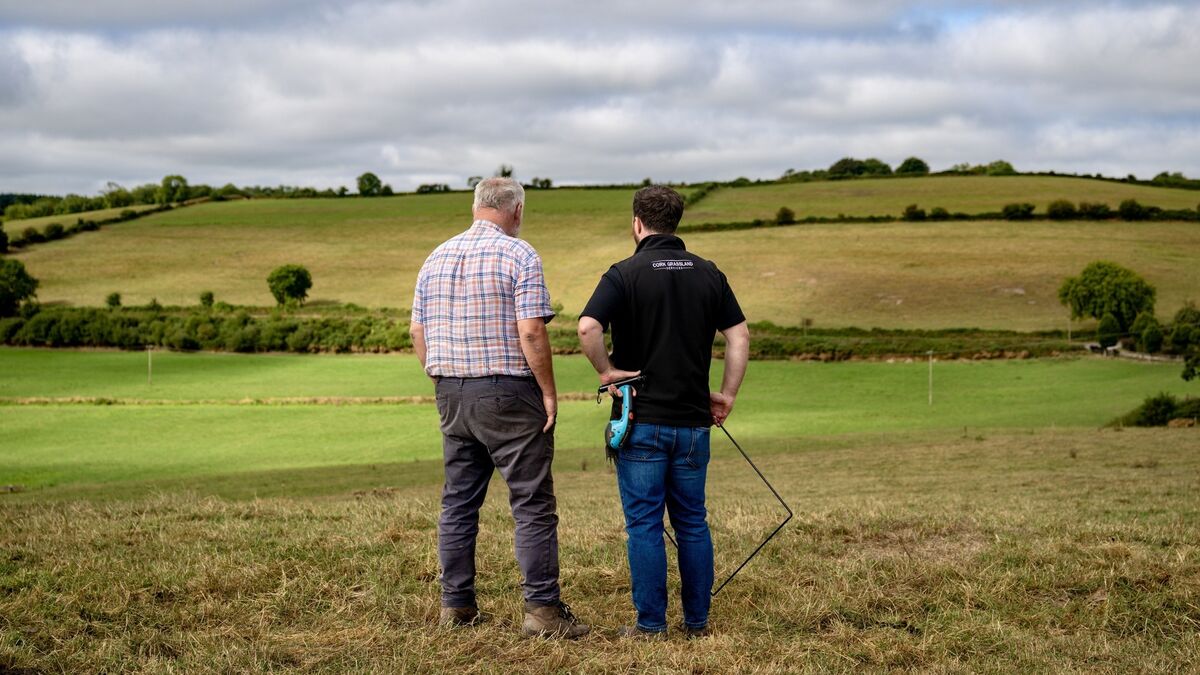
Irish farm advisors are dreading conversations with farmers as grass growth stalls and winter feed stocks come under pressure, warning that this drought is worse than 2018 and that, without substantial rain, relief may arrive too late.
Tim Casey, CEO and Founder of Cork Grassland Services, said the persistent poor grass growth is taking a toll on both advisers and farmers.
"Day by day, I'm getting more and more depressed… I nearly dread meeting the farmers now after our measurements. Every week it's more bad news.”
Many farmers are entering a period when grass reserves should be building, but instead finding themselves with little or no surplus, Mr Casey said difficult decisions now lie ahead.
“It means heavier supplementation, greater reliance on silage and concentrates, and potentially difficult decisions around stocking rate, drying cows off earlier and winter housing.”
Mr Casey said that farms are functioning on half the grass they actually need and that he has had to delay measuring for clients to once every two weeks instead of every week due to the low grass growth rates at the moment.
“East Cork, it's like the Sahara Desert; entire farms are burnt… I’ve never seen farm covers as low.”
Similar drought conditions were experienced in June and July 2018, but the key difference was that significant rainfall arrived during the first weeks of August.
Dairy farmer Brian Duncan, situated in Dungourney in East Cork, has been actively measuring his grass since 2018.
“We started grass measuring in 2018, and we have been continuously growing less grass per year, year on year, since 2018 with better management due to the lower rainfall.”
Continuing, Mr Duncan said: “Grass growth is down to 21kg; last year it was 60kg… We’re getting used to it now. Since 2018 there has been some sort of a drought every year.”
To reduce the effects of the current drought, Mr Duncan explained he dried off his autumn calvers almost four weeks early and split his spring calving herd in two, completing 12-hour shifts for grazing between both halves.
Mr Duncan said his milking herd is currently receiving 25kg of silage, two kilos of rolled barley and six kilos of nuts in the parlour, but milk production is still slipping.
With many farmers already utilising winter feed reserves, Mr Casey said his concerns extend beyond this summer and into the spring of 2027.
Discussing how by the end of August some farmers could already have silage they were saving for March and April already fed, he said: “there’s no room for next spring to go poorly.”