You have reached your maximum number of saved items.
Punch-drunk retailers are attempting to lift themselves off the mat as consumers give them a dose of their own financial reality, keeping cash in their pockets.
At the halfway mark of this year’s earnings season, the shareholder jury has spoken – the discretionary retail sector is in an unambiguous slump. Investors are just tapping out. The cyclical retail sector will eventually recover, but the trigger isn’t on the near-term horizon.
Meanwhile, consumers face a perfect storm of cost-of-living pressures thanks to interest rate rises, fuel prices, Middle East war-fuelled inflation and stalling real wages growth. Tumbling house prices and a lack of real estate turnover are the rotten cherry on top.
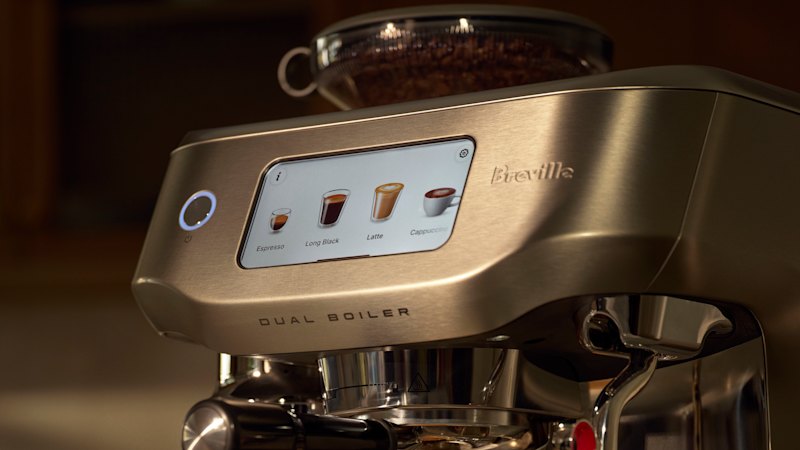
To date, just one major listed retailer, Breville, has stopped short of flagging a performance warning – while releasing a result that included strong sales, albeit with earnings that were shy of pitch perfect.
The company’s financial performance had been buffeted by Donald Trump’s moveable feast on tariffs, which had pushed the appliance maker to move its manufacturing base out of China. Despite this disruption, the company posted a 1.7 per cent profit gain, thanks to what it described as the resilient premium consumer.
But the market is viewing any weakness with suspicion and isn’t taking any prisoners. Breville’s shares were hammered by about 5 per cent on Wednesday.
Discretionary retail companies are watching their share prices tumble, as a conga line of chief executives admit that sales momentum has at best stalled, or at worst fallen off a cliff.
Over the past five days, the consumer discretionary index has fallen more than 5 per cent compared with the ASX200, which is 1.7 per cent softer.
Sales from some of our most popular and resilient brands, including Peter Alexander, JB Hi-Fi and Temple & Webster, hit a wall either in the final quarter to June or in the six weeks since.
And in the department store space, Myer has spoken of cost-of-living pressures driving down consumer sentiment, while David Jones’ move to further extend payment terms to suppliers speaks volumes about how it is travelling.
JB Hi-Fi, which has been a consistent strong performer in the sector, flagged July total sales for its Australian stores were 1.8 per cent softer, with comparable sales growth falling 2.9 per cent. That is a significant reversal in growth from where it was a year ago.
Its other brand, The Good Guys, was 12 per cent lower in the early weeks of the new financial year, with comparable sales growth falling the same amount.
Homewares and furniture retailer Temple & Webster revealed a shock 62 per cent plunge in net profit after significant items, lowered its guidance, and warned revenue was down 13 per cent since the start of the 2027 financial year. It was the recent trading slide that spooked investors, who rewarded it with a near-18 per cent one-day share price collapse.
It isn’t just that the consumers have all but closed their wallets, but one retailer after the next says that only discounts will entice shoppers to buy. So even if sales have held up, discounting is crunching margins and eating away at the profit line.