Account subscription benefits alongside Premium Stories, Editorials,
Opinions and more. Unlock these with Subscription
The View From India
Looking at World Affairs from the Indian perspective.
First Day First Show
News and reviews from the world of cinema and streaming.
Today's Cache
Your download of the top 5 technology stories of the day.
Science For All
The weekly newsletter from science writers takes the jargon out of science and puts the fun in!
Data Point
Decoding the headlines with facts, figures, and numbers
THEdge
At the cutting edge of education and careers
Health Matters
Ramya Kannan writes to you on getting to good health, and staying there
Gender Agenda
Stories from beyond the binary.
The Hindu On Books
Books of the week, reviews, excerpts, new titles and features.
Published – August 19, 2026 07:00 am IST – New Delhi
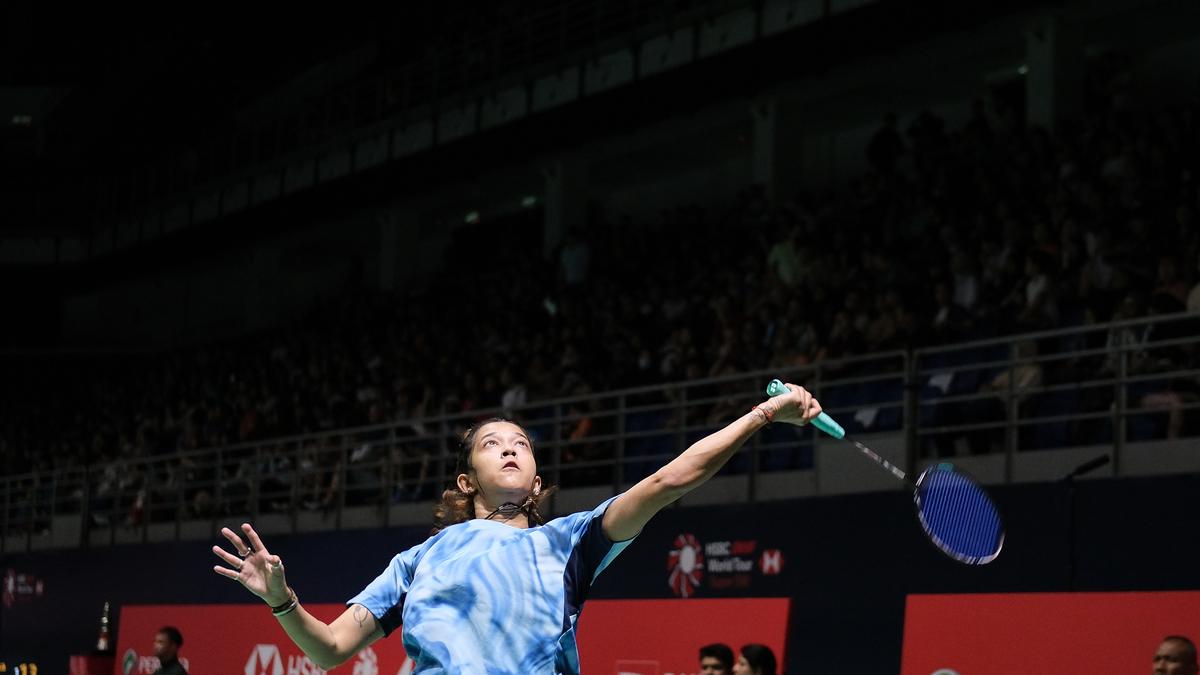
Ashmita Chaliha in action at the Malaysia Masters.
| Photo Credit: File photo: Getty Images
Her maiden BWF World Tour title came with a sense of redemption. Two years after suffering a knee injury in South Korea, the 26-year-old Ashmita Chaliha returned to the country and won the Korea Masters title, fighting back from a game down to beat China’s Han Qianxi in the final. The triumph came after a difficult phase in which Ashmita slipped outside the world’s top 200, lost her sponsorship and had to carefully select tournaments.
The fall in ranking was particularly difficult because Ashmita had previously broken into the world’s top 40. With limited financial support, she began choosing tournaments she could afford, while setting herself the target of reaching at least the semifinals to rebuild her ranking.
The Assam shuttler, once regarded as one of India’s most naturally talented attacking players, has also had to contend with the criticism that her talent was undermined by errors and inconsistency. Her response has been to work more on rallies and stamina without taking away the attacking instincts that define her game.