Account subscription benefits alongside Premium Stories, Editorials,
Opinions and more. Unlock these with Subscription
The View From India
Looking at World Affairs from the Indian perspective.
First Day First Show
News and reviews from the world of cinema and streaming.
Today's Cache
Your download of the top 5 technology stories of the day.
Science For All
The weekly newsletter from science writers takes the jargon out of science and puts the fun in!
Data Point
Decoding the headlines with facts, figures, and numbers
THEdge
At the cutting edge of education and careers
Health Matters
Ramya Kannan writes to you on getting to good health, and staying there
Gender Agenda
Stories from beyond the binary.
The Hindu On Books
Books of the week, reviews, excerpts, new titles and features.
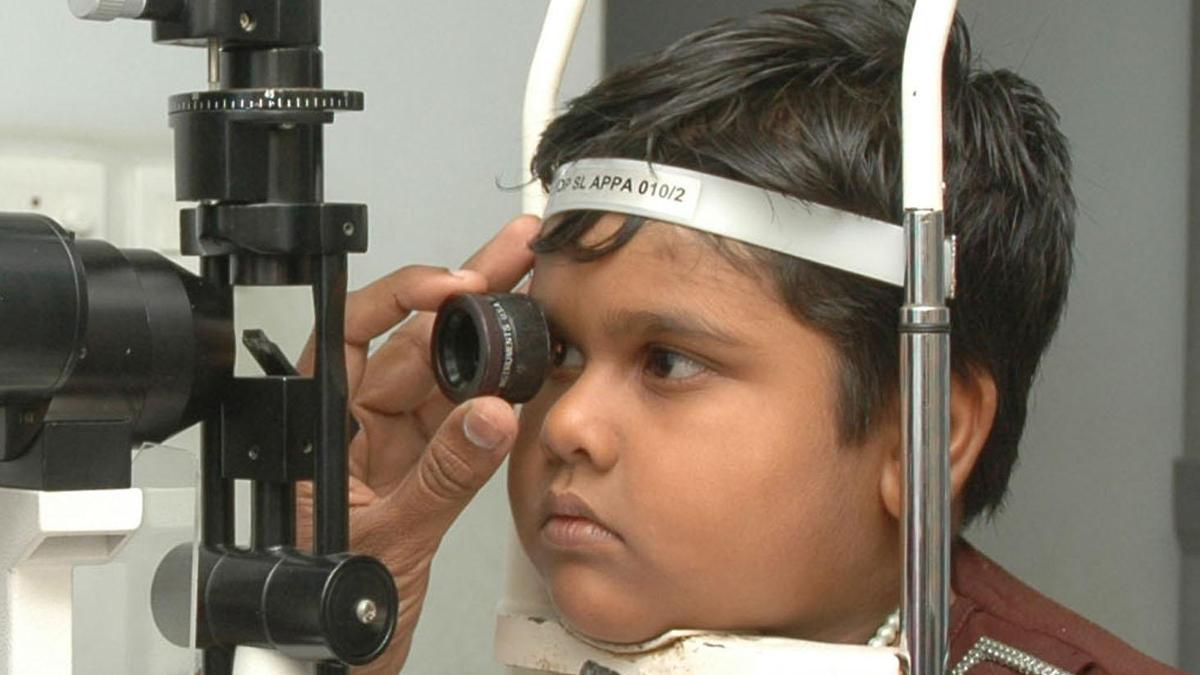
Amblyopia should not be dismissed as a childhood problem that will simply disappear. Early identification and treatment can help children reach their full visual potential and may have implications for their education, future work and independence | Image used for representational purposes only
| Photo Credit: ASHOK R
Amblyopia, commonly called lazy eye, occurs when the brain does not adequately process visual input from one eye. The visual pathway may appear anatomically normal, but the input reaching the brain is poorly coordinated or insufficient for normal visual development.
The condition can develop because of an uncorrected refractive error such as farsightedness, nearsightedness or astigmatism. Misalignment of the eyes, as in squint, can affect binocular vision. Congenital cataract, corneal opacity and other conditions that obstruct visual input can also cause stimulus-deprivation amblyopia.
Amblyopia is estimated to affect about 2% to 4% of children below five years. The actual burden could be higher because many children have no obvious symptoms.
“There’s no red eye, no visible squint in most cases, no clinical sign that we can make out,” says Aparna Bhatnagar, senior consultant, ophthalmology, Apollo Speciality Hospitals, Vanagaram, Chennai. A child may simply learn to rely on the eye with better vision and continue with everyday activities without complaint.