If the drought stretches on, further restrictions on water use might be put in place to preserve water supplies.
Per water regulator Ofwat, a non-essential use ban (NEUB) is a more serious step that water companies can take if dry conditions continue following a hosepipe ban.
Politics UK shared that ministers have been “told to prepare for a ban on car washes, window washing and refilling private swimming pools”, to which commenters unanimously aired concerns over data centres.
“Let’s ban data centres needlessly guzzling water,” read the top comment, which had garnered over 4,000 likes at the time of writing.
Another commenter chimed in: “I haven’t washed my car in 3 months because I feel bad about using the water. Meanwhile data centres are sucking it dry so people can make cartoon pictures of their dogs.”
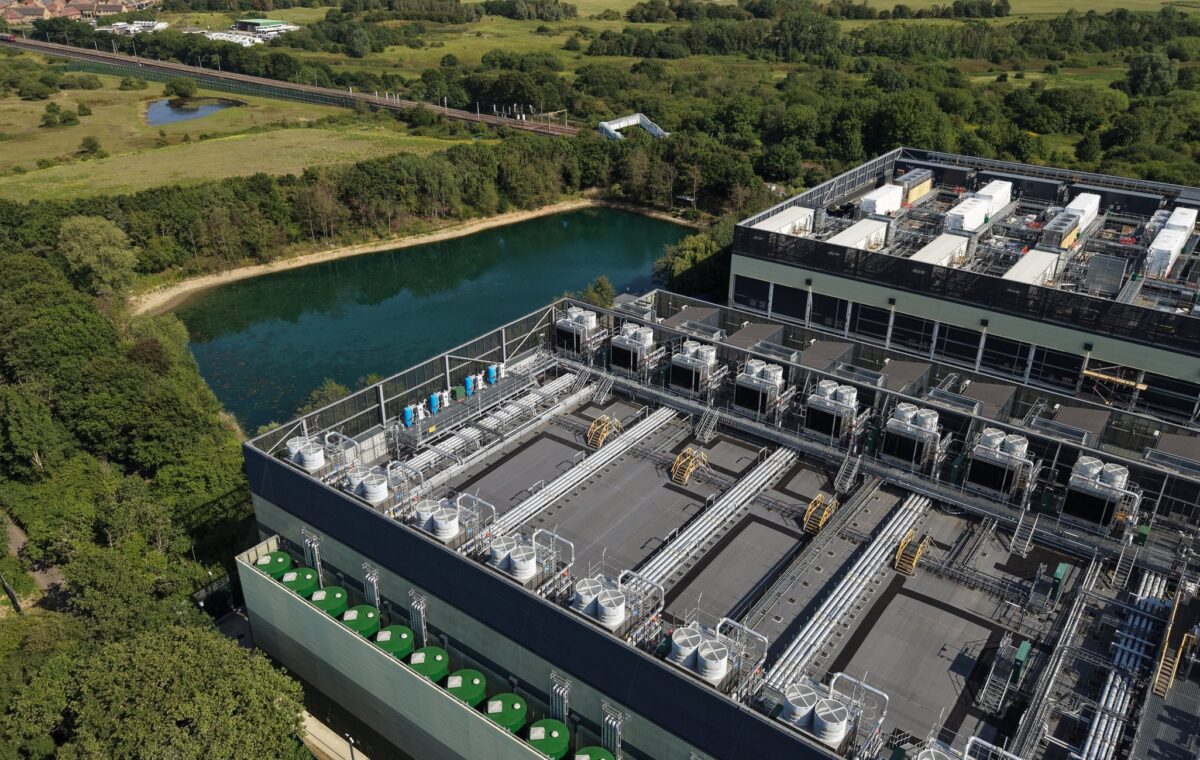
Data centres are physical spaces which house the IT infrastructure (basically, a load of computer servers) that underpins modern life, from patient records and emails to product data and financial systems.
It’s thought there are around 555 data centres now in the UK – with this figure likely to jump by about 20% in the next five years.
The UK government has said that data centres are “critical to nearly all economic activity and public services, and were designated as critical national infrastructure in 2024”.
This puts data centres on an equal footing as water, energy and emergency services systems.
Concerns have been raised in recent times, as data centres require large energy and cooling capabilities – especially those supporting AI systems.
According to techUK, data centres either opt for air, refrigerant or water-based cooling systems “based on local climate, energy availability and water stress”.
It surveyed 80 data centre sites across England and, of the 73 responses, 51% of sites said they use waterless cooling systems, relying on air or refrigerants.
Almost two-thirds (64%) said they consume less than 10,000m³ of water annually, which is comparable to that of a leisure centre.
But water companies in areas where there are numerous data centres have shared concerns over usage.
Affinity Water serves Slough, which is home to a number of data centres (40 and counting), and said some individual facilities request supplies of up to 35 litres of water per second, equivalent to the peak water demand of 3,500 homes.
Source: Read the original article on www.huffingtonpost.co.uk