Account subscription benefits alongside Premium Stories, Editorials,
Opinions and more. Unlock these with Subscription
The View From India
Looking at World Affairs from the Indian perspective.
First Day First Show
News and reviews from the world of cinema and streaming.
Today's Cache
Your download of the top 5 technology stories of the day.
Science For All
The weekly newsletter from science writers takes the jargon out of science and puts the fun in!
Data Point
Decoding the headlines with facts, figures, and numbers
THEdge
At the cutting edge of education and careers
Health Matters
Ramya Kannan writes to you on getting to good health, and staying there
Gender Agenda
Stories from beyond the binary.
The Hindu On Books
Books of the week, reviews, excerpts, new titles and features.
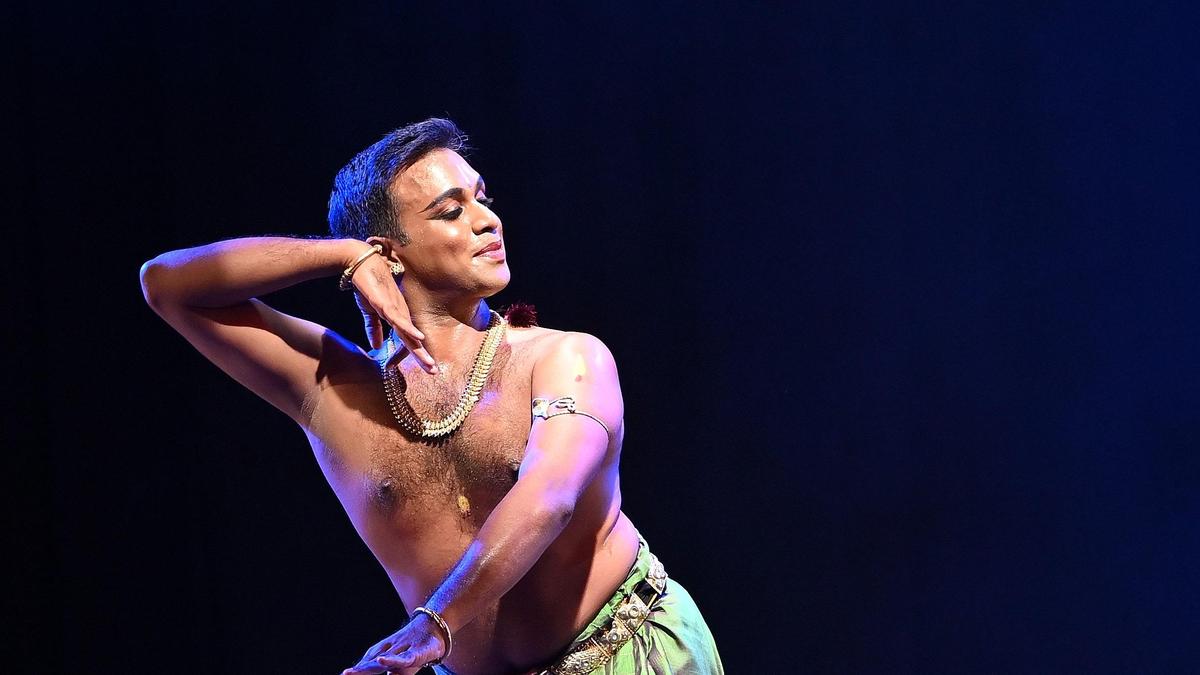
K. Sarveshan collaborated with vocalist Amritha Murali for his performance Prithvi, at Natyarangam’s Pancha Bhootha Bharatham dance festival 2026.
| Photo Credit: B. Velankanni Raj
What does it mean to call the earth our mother when human civilisation is built on extracting from her? The tension between dependence and exploitation formed the conceptual core of K. Sarveshan’s Prithvi, with Amritha Murali lending vocal support, on the opening evening of Pancha Bhootha Bharatham, the 28th annual thematic festival, hosted by Natyarangam, the dance wing of Narada Gana Sabha Trust. The five-day festival explroes the Pancha Bhootas — Akasha, Vayu, Agni, Apah and Prithvi — with each day devoted to one element.
In her introductory talk, resource person Dr Sudha Seshayyan placed the five elements within the Indian understanding of the cosmos, as well as their presence in the human body and in the processes that sustain life. Of these, Prithvi, she explained, represents structure and support, and is associated with stability and solidarity. She invoked the Bhumi Sukta, the Atharvaveda’s hymn to Mother Earth, with its declaration that the earth is the mother and humanity, her child. The idea gained contemporary resonance later, when Sarveshan addressed humanity’s exploitation of the earth.
Sarveshan extended the idea into the body. Referring to the connection between humus and human existence, he described humanity as eternally tethered to the earth. Prithvi became, in his conception, both the ground of devotion, the recipient of rain and the starting point of spiritual ascent through the Mooladhara. This movement between the physical and the spiritual set the vocabulary of the performance.
Prithvi moved from mythology and spirituality to literature and ecology.
| Photo Credit:
VELANKANNI RAJ B