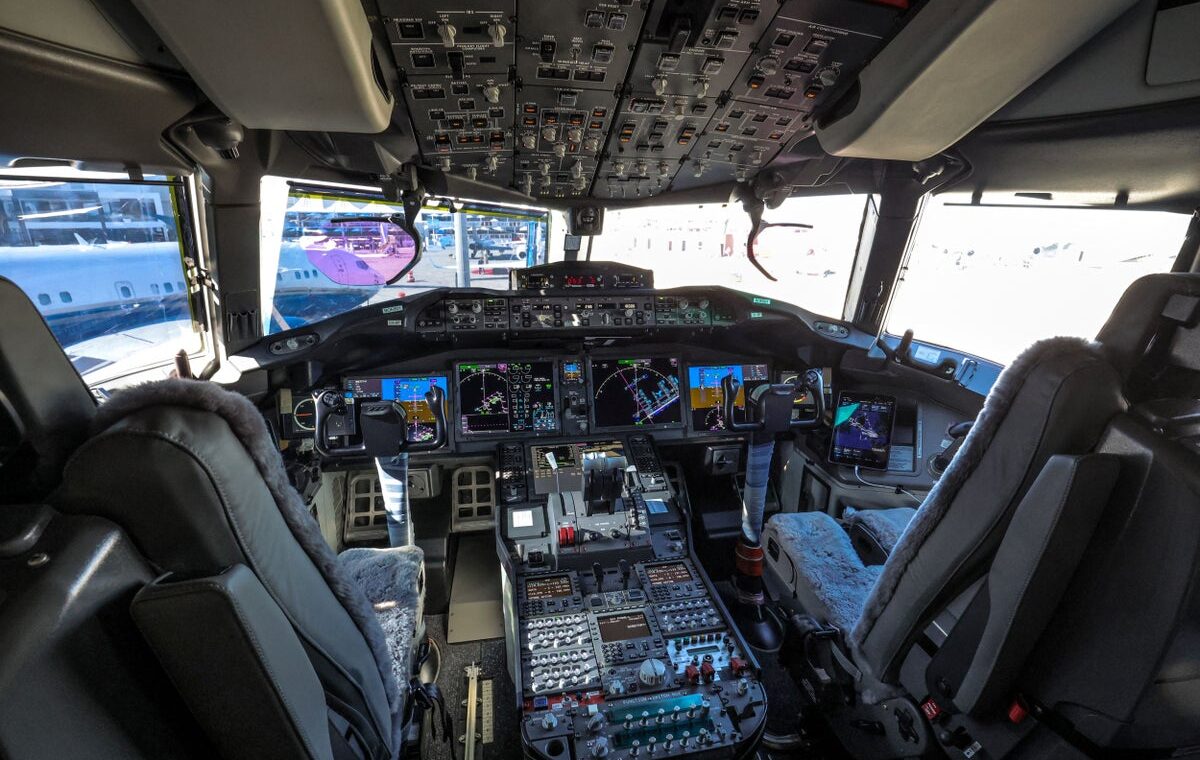
Scientists call for occupational radiation protections for all aircrew members
I would like to be emailed about offers, events and updates from The Independent. Read our Privacy notice
Flight attendants and pilots face the highest risk of death from radiation-related cancer, even higher than nuclear technologists, a new analysis of over 500 occupations reveals.
Aircrew members face the largest annual dose of cancer-inducing radiation compared to any other workforce in the US, mainly due to their exposure to cosmic radiation at high altitudes, according to the research published in the journal JAMA Internal Medicine.
Researchers from Harvard Medical School call for occupational radiation protections for aircrew members that align with their exposure levels.
While previous research has hinted that members of the profession are more likely to be diagnosed with some types of cancers than the general population, there have been limited studies on whether this translates to higher death rates.
In the study, scientists assessed US death certificates from 2020 to 2024, which were only recently linked to the occupation of the deceased.
Overall, researchers analysed data from nearly 13 million deceased across 503 occupations, including 14,000 pilots and 7,000 flight attendants.
The analysis accounted for several factors other than occupation that may affect mortality, including age at death, sex, race, ethnicity, educational attainment, and marital status.
Some of the radiation-related cancers analysed in the study included breast cancer, nervous system cancers, leukaemia, lymphoma, thyroid cancer, prostate and skin cancers.
Scientists found that pilots and flight attendants had statistically significantly higher rates of death from breast, central nervous system, prostate cancers, and melanoma.
Pilots also had a higher leukaemia death rate, the study found.
Nearly seven per cent of deaths among flight attendants and pilots were from radiation-related cancers, higher than for any of the other professions, including nuclear technologists, who are routinely exposed to radiation, researchers say.
On average, aircrew in the US face an estimated 3 to 6 millisieverts per year of cosmic radiation.
This is much above the estimated 0.4 millisieverts received annually by an average air traveller taking 10 cross-country round-trip flights per year, scientists say.
Source: Read the original article on www.independent.co.uk
Additional coverage from news.google.com:
We use cookies and data, including IP addresses, to
If you choose to “Accept all,” we will also use cookies and data, including IP addresses, to
If you choose to “Reject all,” we will not use cookies or IP addresses for these additional purposes.
Non-personalized content is influenced by things like the content you’re currently viewing, activity in your active Search session, and your location. Non-personalized ads are influenced by the content you’re currently viewing and your general location. Personalized content and ads can also include more relevant results, recommendations, and tailored ads based on past activity from this browser, like previous Google searches. We also use cookies and data to tailor the experience to be age-appropriate, if relevant.
Select “More options” to see additional information, including details about managing your privacy settings. You can also visit g.co/privacytools at any time.
🟢 PROS / ADVANTAGES
- Increased media coverage indicates rising institutional and public interest in this business sector.
- Consolidation of multi-agency reports points to strategic market moves and expansion opportunities.
🔴 CONS / RISKS
- Heightened market volatility and varying analyst expectations introduce near-term execution risks.
- Implementation dependencies and compliance checkpoints may slow down the projected business timeline.